
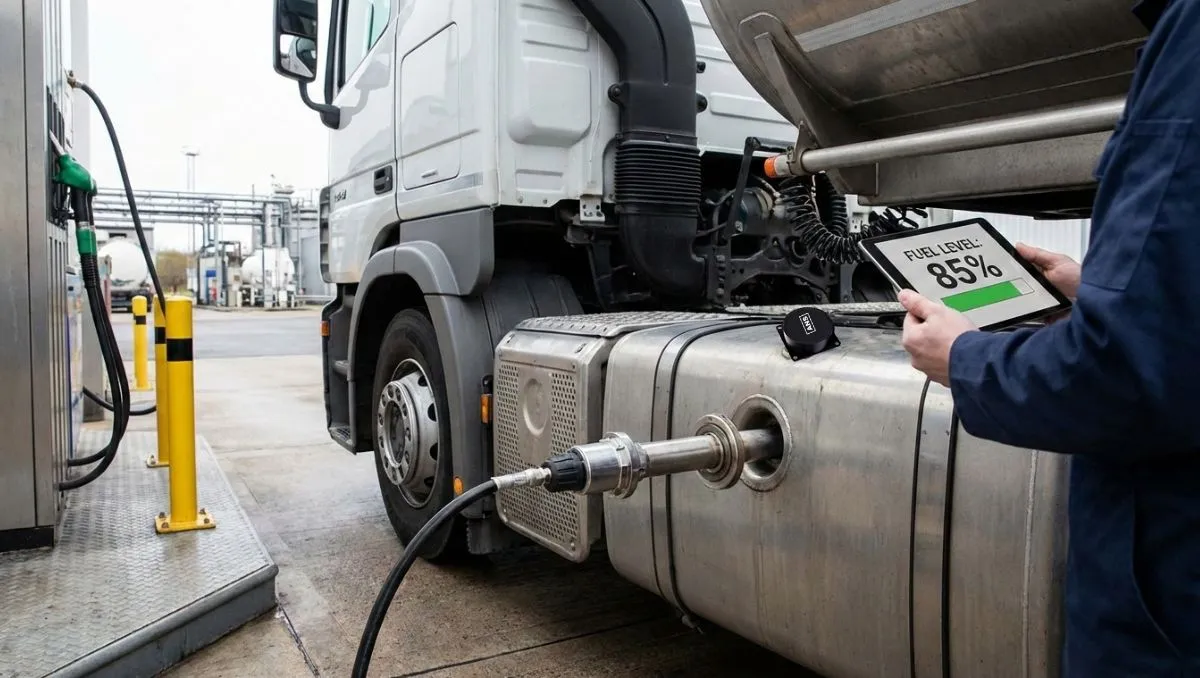
The fuel level sensor is a small but very important device inside your vehicle’s fuel tank. Its main function is simple: to measure how much fuel is inside the tank and send that information to you or the vehicle systems.
While it may seem simple, this sensor works with smart technology and accurate measurement methods and plays a vital role in safety, fuel efficiency, and vehicle performance.
The Main Purpose: Shows the Exact Fuel Level
The core job of the sensor is to detect the fuel amount inside the tank.
It continuously checks:
- How much fuel is remaining
- How fast is it being consumed
- Whether fuel is suddenly dropping (which may indicate theft or leakage)
This information is shared with:
- The dashboard fuel gauge (in normal vehicles)
- GPS tracking system (in fleets or commercial vehicles)
- Fuel monitoring apps (for business owners)
Why it matters:
Without a fuel level sensor, you would never know when you are running out of fuel—it would be a guessing game.
How Does a Fuel Level Sensor Work?
Different vehicles use different types of fuel level sensors, but the idea is the same.
A) Float-Type Sensor (Traditional Cars & Bikes)
- There is a float that moves up and down depending on the fuel level.
- The float is connected to a metal strip that changes electrical resistance.
- As it moves, the electrical signal changes.
- This tells the fuel gauge how much fuel is left.
Example:
When the tank is full, the float is at the top → gauge shows “Full”.
When fuel reduces, the float goes down → gauge moves to “Empty”.
B) Capacitive fuel level sensor (Modern Fleets & Commercial Vehicles)
Highly accurate and used in trucks, buses, heavy machinery, and GPS tracking systems.
- The sensor is installed vertically inside the tank.
- It measures the dielectric constant of fuel (a scientific property).
- When fuel rises or falls, the sensor calculates the level with millimeter-level accuracy.
Why businesses prefer this:
It shows exact fuel quantity, real-time usage, and theft detection.
C) Ultrasonic & Digital Sensors
- Installed outside the tank
- Uses sound waves to measure fuel level
- No need to open the tank
This is used mainly when opening the tank is risky.
What Information Does a Fuel Level Sensor Provide?

A modern fuel level sensor provides:
✔ Real fuel quantity (in litres)
Not just full or empty—but exact numbers like 47.3 liters.
✔ Fuel consumption rate
How much fuel is used per hour or per kilometer?
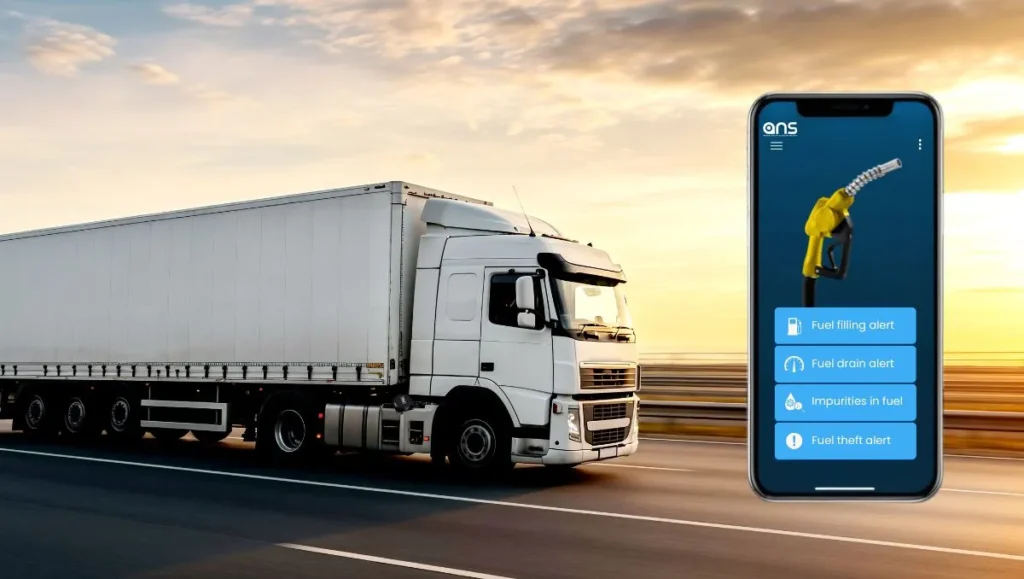
✔ Sudden fuel drop alerts
Instant notifications if fuel is stolen or leaking.
✔ Fuel refill detection
Shows exactly how many liters were added.
✔ Historical reports
Daily, weekly, and monthly fuel usage charts.
This data helps drivers and businesses make better decisions.
Why is It Important?
A) Prevents Running Out of Fuel
Helps drivers plan refueling on time.
B) Stops Fuel Theft
Very important for trucks, buses, and commercial vehicles.
A sudden drop of fuel triggers an alert in the tracking system.
C) Helps Businesses Save Money
Fuel is the biggest cost in transportation.
A fuel level sensor helps monitor:
- Driver behaviour
- Fuel wastage
- Theft
- Overconsumption
This can save up to 30–40% in fuel expenses.
D) Increases Vehicle Efficiency
Accurate fuel data helps maintain good driving habits and improves mileage.
E) Supports GPS Tracking Systems
Most modern fleet management systems rely on fuel level sensor for complete monitoring.
Where are Fuel Level Sensors Used?
- Cars
- Bikes
- Trucks
- Buses
- Excavators
- JCBs
- Heavy machinery
- Boats
- Generators
- Industrial diesel storage tanks
Anywhere diesel or petrol is stored, the sensor can be used.
What Happens If the Sensor Fails?
You may experience:
- Wrong fuel reading
- Gauge stuck at full/empty
- Sudden drop on the meter
- Fuel theft is going unnoticed
- GPS fuel data not showing
Modern vehicles show a warning light when the sensor becomes faulty.
Modern Features of Smart Fuel Level Sensor

Today’s advanced 4G/IoT sensors come with features like:
- 4G/5G connectivity
- High accuracy (±1%)
- Temperature resistance
- Waterproof & dustproof
- Explosion-proof design
- Mobile app monitoring
- Fuel theft alarms
- Advanced calibration tools
These are used especially in fleet management and logistics companies.
How a Business Saves Fuel with a Fuel Level Sensors
Imagine a truck fleet owner with 10 trucks.
Before installing fuel level sensors:
- Drivers may overfill
- Fuel theft happens
- Hard to track consumption
- No proof of fuel usage
- High monthly fuel expenses
After installing smart fuel level sensors:
- Each refill is recorded
- Alerts for any fuel drop
- Fuel usage reports are available daily
- No cheating or leakage
- Savings of ₹30,000–₹60,000 per month, depending on fleet size
This is why fuel level sensors are becoming essential in business operations today.