

Introduction to Vehicle Monitoring System
The present study focuses on a vehicle monitoring system (vms), introduced to improve the research project on driver monitoring and its applications in today’s society. The following study is an introduction to a vehicle monitoring system, which is presented to enhance the research project on monitoring the driver and the application of the vehicle monitoring system in modern society.
In the current world, where things move at a high rate and people are very connected, efficient management of vehicles is critical to both businesses and individuals. A Vehicle Monitoring System (VMS) is an application that tracks, analyzes, and controls vehicles using GPS, IoT sensors, and cloud platforms. It provides complete visibility of the vehicle position, performance, usage, and safety to make smarter decisions and enhance control.
A vehicle monitoring system (VMS) is not just a display of the location of a vehicle. It is constantly collecting information about the vehicle speed, fuel consumption, engine status, driver habits, and route history and transmitting it to a central platform. The data can be accessed by the fleet owners, transport managers, and operators at any point, any time, in web or mobile dashboards.
The increasing fuel prices, theft threats, demanding regulations, and schedule-based delivery and safety of passengers have necessitated vehicle monitoring system. These systems are used by companies that are dependent on transport, such as logistics, public transport, school buses, construction, and rentals, to reduce losses, increase productivity, and enhance safety.

Contemporary vehicle monitoring system (VMS) are based on the use of 4G/5G network connections between vehicles and management systems based on 4G/5G networks using the help of IoT and telematics. Proactive features like fuel theft, geo-fencing, driver behavior, accident warnings, and condition notifications are advanced such that they would take operators beyond reactive to proactive control.
Besides operational advantages, a vehicle monitoring system (VMS) also helps in achieving regulatory compliance, such as the AIS-140 rules of commercial vehicles in India. Proper tracking, emergency response, and reporting of data make operators comply with the legal regulations and remain transparent and responsible.
Concisely, a vehicle monitoring system transforms crude automobile data into meaningful information. It improves security, provides better performance, reduces costs, and provides safer and more reliable transportation. With the increasing mobility, the vehicle monitoring system (VMS) is taking the form of the basis of intelligent, connected, and effective management of vehicles.
What is a Vehicle Monitoring System?
A vehicle monitoring system is defined as a system used to track the activities of vehicles. A vehicle monitoring system is a system that keeps a check on the activities of vehicles.
A Vehicle Monitoring System (VMS) is a technology that continuously monitors, oversees, and examines the placement, performance, conduct, and security of a vehicle in real time. It integrates GPS, IoT sensors, telematics devices, 4G/5G networks, and cloud software to provide full visibility and control over individual vehicles or even big fleets.
A Vehicle Monitoring System (VMS), at its core, links the vehicle to its owner/operator. A miniature hardware device installed in the car gathers the information provided by several devices: the GPS module, the ECU, the fuel sensors, accelerometers, and other in-car sensors. This information is safely transferred to the central server, computed, and displayed in the form of easy web and mobile applications.
A Vehicle Monitoring System (VMS) provides operational intelligence, which is not the case with simple GPS tracking. It informs you of the position of the vehicle, the manner in which it is being driven, the fuel used, and the efficiency, as well as any irregular or unsafe activity taking place. Functions like overspeed alerts, harsh braking alerts, idling reports, fuel theft alerts, geo-fencing, and route history make the operators stay active and not reactive.
Vehicle Monitoring System (VMS) plays a critical role in the management of a fleet and vehicle security. They eliminate theft, wrong use, and misuse by giving real-time alerts and access to remote data. The system also initiates immediate notifications in case of emergencies such as accidents or breakdowns, which accelerates the process and improves the safety of drivers and passengers.
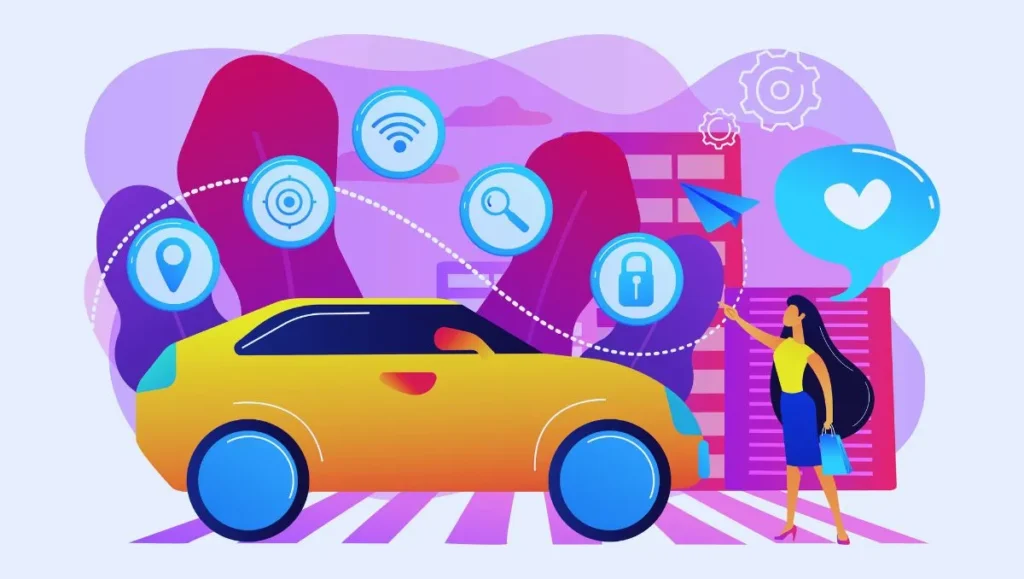
Such systems are applicable in industries such as logistics and transportation, public transit, school buses, construction, mining, emergency services, and rental fleets. They also assist in compliance with the government requirements, like AIS-140 in India, which involves GPS tracking and emergency utilities in commercial vehicles.
Simply, vehicle monitoring system (vms) transforms vehicles into smart and connected assets. Transforming real-time information into actionable insights assists businesses in reducing expenses, enhancing efficiency, boosting safety, meeting regulations, and becoming more profitable. With increased mobility, vehicle monitoring system (vms) are the backbone of contemporary smart transportation management.
How a Vehicle Monitoring System Works
Vehicle Monitoring System (VMS) has a straightforward process: data is constantly gathered on the vehicle, transmitted to a central platform, and converted into valuable knowledge. The process is based on hardware, communication networks, cloud technologies, and software. The following is a step-by-step description.
1. Data Collection from the Vehicle
There is a small vehicle tracker device that is installed in the vehicle. It connects to various parts:
- GPS module provides direction, speed, and location.
- IoT sensors: fuel sensor, temperature sensor, and door sensor.
- The vehicle ECU/OBD interface provides engine data and diagnostics.
- Accelerators and gyroscopes identify braking, acceleration, and cornering that are harsh.
These parts collect real-time data when the vehicle is in operation.
2. Processing Data Inside the Device
The onboard computer processes the raw data and transmits it. It sifts, times, and shapes the information to maintain the information as correct and consistent. Others go further to do edge processing, detecting fuel stealing, overspeeding, or unexpected collisions within the device.
3. Data Transmission via Network
The processed information is relayed in the cellular network of GSM/4G/5G (satellite in distant locations). The device transmits data packets to the cloud server on a regular basis, or in real time, on the occurrence of a critical event such as an accident or attempt to steal the device, using a secure SIM card.
4. Cloud Server & Data Storage
The data is sent to the cloud server, which is stored in a secure place, and it is sorted out. High-level algorithms are used to search through the vast data stream to identify patterns, anomalies, and performance trends. Scalability, high availability, and reliability are achieved by the cloud platform.
5. Web & Mobile Applications
User interfaces to permit interaction with the system by the fleet owners, managers, and operators are web and mobile applications.
Key features:
- Map-based live vehicle tracking.
- Real-time alerts and notifications.
- Trip history, fuel reports, performance analytics.
- Health and maintenance of vehicles.
- Administrators and drivers’ access control.
Monitoring is provided on the go using mobile apps. Web dashboards provide superior reporting and control of the fleet.
Key Components of a Vehicle Monitoring System
A Vehicle Monitoring System (VMS) is based on several combined elements that collaborate to provide real-time visibility, management, and intelligence. All the elements are essential in proper data gathering, effective communication, and valuable information. The main elements are explained below in detail:
1. GPS Tracking Device
The most important hardware within the vehicle is the GPS tracking gadget. It identifies the real-time position of the vehicle because it interacts with GPS satellites and determines specific coordinates.
Key functions:
- Live location, speed, direction, and time information.
- Route playback, trip analysis history in stores location.
- Enables the use of geo-fencing to track the entrance and exit of a specified zone.
- Identifies ignition on/off and movement of the vehicle.
The GPS is the main unit of the system of sensors and communication modules that are connected to it and which serves as the cornerstone of the whole monitoring system.
2. IoT Sensors
Besides the simple location tracking, IoT sensors can be used to capture other operational and environmental information of the vehicle. They allow for deeper tracking and analytics.
Common sensors include:
- Fuel level and theft detectors.
- Cold-chain and sensitive cargo sensors and tempering
- sensors.
- Door and lock sensors to identify unauthorised access.
- Accelerometers to track harsh braking, acceleration, as well as collision.
- Vehicle health sensors: engine and battery.
IoT sensors are changing a vehicle into a smart and data-generating asset, which records real-life conditions and events.
3. 4G / 5G Connectivity
Cellular connectivity is what enables the vehicle to communicate with the server on the cloud. The tracking device has a SIM card, which broadcasts the data using GSM, 4G, or 5G.
Key benefits:
- Vehicle to server real-time data transfer.
- Real-time notices of emergency, theft, or breaking.
- Stable communication in cities, highways, and isolated places.
- High-speed data transfer support (dash camera video, etc.).
- 4G and 5G have low latency and increased accuracy, enhancing the work of the system.
4. Cloud Platform
The vehicle monitoring system has the brain as the cloud platform. It receives, stores, processes, and analyses huge amounts of data produced by vehicles.
Core capabilities:
- Availability of high-availability data storage.
- Real-time data processing and analytics.
- Artificial intelligence-based knowledge of driver behavior, fuel consumption, and predictive maintenance.
- Generating reports and access to historical data.
- Scalability to accommodate thousands of vehicles.
The cloud allows centralized management, and the data may be accessed anywhere at any time.
5. Web & Mobile Applications
The user interfaces that enable interaction with the system by the fleet owners, managers, and operators are web and mobile applications.
Key features:
- Real-time tracking of vehicles in maps.
- Real-time alerts and notifications.
- trip history, fuel reports, and performance analytics.
- Automobile service and maintenance notifications.
- Administrators and drivers have access control.
On-the-go monitoring is offered using mobile applications. Web dashboards have provided sophisticated reporting and fleet-wide control.
Real-Time Vehicle Tracking
Among the most important and strong Vehicle Monitoring System (vms) functions, there is real-time vehicle tracking. It also allows vehicle owners and fleet managers to view real-time positions and movement of the vehicles at all times, and has complete visibility and control over the operations. This feature is based on the combination of GPS technology, cellular, and cloud-based software.
At the car level, a GPS tracking system will never stop conversing with GPS satellites to determine the precise position, speed, direction, and time of the vehicle. The data is updated periodically, once every few seconds, and this guarantees high accuracy. This data is then transferred via GSM/4G/5G networks to a cloud server, which processes it and displays it immediately on the web and mobile dashboard.
Vehicle tracking in real-time gives the user the opportunity to view vehicles on a digital map as they move. Fleet managers are able to track the compliance of vehicles to the planned routes, identify unexpected stops, and respond quickly to delays or route deviations. It is particularly useful in such a business area as logistics and delivery, where time performance and route efficiency have a direct influence on customer satisfaction and expenses.
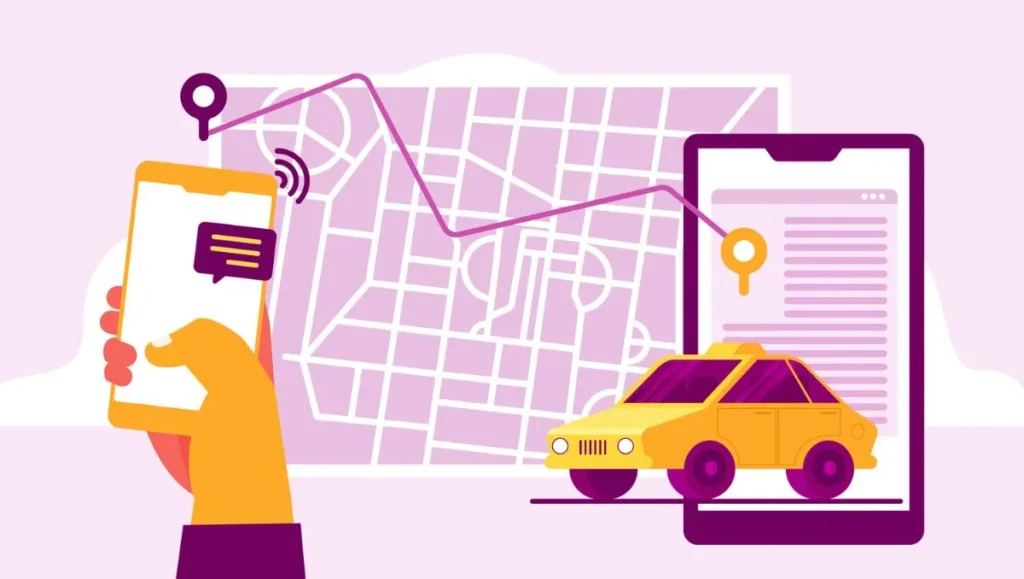
Geo-fencing is another important point. Geo-fences are virtual fences surrounding certain locations like warehouses, delivery areas, school grounds, or closed areas. There are alerts that the system immediately sends when a vehicle is entering or leaving the zones. This prevents illegal use, guarantees path adherence, and enhances security.
Real-time monitoring also enhances safety and emergency response. The system also broadcasts the precise location of the vehicle in case of an accident, breakdown, or even an SOS alarm to be able to assist faster. In the case of passenger transport and school buses, live tracking can be reassuring to parents and authorities by presenting the correct movement information.
In terms of business, real-time tracking of the vehicles optimises business and minimises expenses. Managers will be able to reduce downtime, fuel usage, and traffic jams, and optimize the use of the fleet in general. It also facilitates open communication with customers, such as providing the correct arrival time and real-time shipment tracking.
In conclusion, real-time vehicle tracking makes vehicles visible and connected assets. It provides organizations with the power to run more effectively, react more quickly to problems, promote more security, and provide more service, all in real time, by providing real-time location-related updates, real-time alerts, and real-time interventions.
Fuel Monitoring and Theft Prevention
The modern vehicle monitoring system (vms) should have fuel monitoring and theft prevention functionality because it is a key aspect of the systems when the fuel cost makes up a greater portion of the operating expenses in a fleet. Loss of fuel, illegal usage, and bad driving may result in high expenses. A powerful fuel monitoring system will provide the organizations with complete visibility of the consumption level and allow taking preventive actions to reduce these losses.
Fuel sensors are present at the vehicle level, installed within the fuel tank, or they are mounted on the fueling system of the vehicle. These sensors constantly detect the fuel level and are very precise and relay real-time data to the on board tracking device. The system will monitor the refills, consumption, and abrupt drops of the tank to ensure that all the liters are counted.
Fuel theft detection is considered to be one of the most crucial functions. When the system detects that the level of fuel in the system has decreased at a sudden or unusual rate, especially when the vehicle is parked or the engine is switched off, it sends out an alarm immediately. The instant notifications mean that fleet managers can take immediate action, like calling the driver or security, and this will, to a large extent, minimize the cases of theft.
Patterns of consumption are also checked by fuel monitoring systems. Through comparison of distance covered, engine running, and fuel consumption, the system would detect inefficiencies, including idling too much, rough driving, route diversion, or unauthorized use. This information assists the managers to refine driving behaviour, reduce wastage and increase the fuel economy.
Fuel refill validation is another major advantage. Under this system, accurate timing, place, and quantity of refuelling are captured, and no fake claims can be made; also, transparency is maintained among the drivers, vendors, and operators of the fleet. This attribute comes in particularly handy with the fleets that are in operation at numerous locations or fuel stations.
Fuel monitoring facilitates decision making. Fuel usage, cost trends, and consumption in the form of detailed reports and dashboards are also shown by vehicle and daily, weekly, and monthly. Due to sound evidence, managers are able to identify the high-consumption vehicles, maintain them, or replace inefficient assets.
Fuel monitoring enhances operational discipline and accountability besides cost savings. Due to the fact that when drivers are aware that their consumption of fuel is monitored, they tend to become more habituated to their consumption, thus resulting in less misuse and a higher level of safety.
Overall, fuel monitoring and fuel theft prevention help convert the manual and error-prone fuel management into an automated and smart one. It enables organisations to eradicate theft, cut costs, enhance productivity, and guard profits because it provides timely alerts, precise usage statistics, and actionable information.
Driver Behavior Monitoring
Monitoring of driver behavior is an important feature of vehicle monitoring system (vms) that is concerned with the analysis of vehicle driving. By detecting risky or inefficient driving patterns, it assists organisations to enhance road safety, reduce accidents, manage their fuel expenditures and increase the life of their vehicles. Instead of making assumptions or checking through a manual, driver behavior monitoring provides information that is grounded in reality, with regards to the actual activity of driving.
The monitoring system at the vehicle level employs accelerometers, gyroscopes, GPS positioning, and engine feedback to monitor driving moves instantly. Such sensors include these: speed, acceleration, braking intensity, cornering, and idling time and the information is continuously sent to the cloud to analyze it.
One of the functions is that of overspeed monitoring. The system will modify the vehicle against predetermined limits of speed and issues immediate alerts in case of exceedance of limits by a vehicle to thwart accidents, curb traffic law offences, and enforce safety regulations by the company and the government.
The system as well identifies violent acts of driving including abrupt braking, sudden acceleration, and cornering. Such behaviours enhance the risk of accidents and hasten the rate of wear and tear on brakes, tires and the suspension. By detecting these events, the fleet managers would be able to resolve them by training or imposing policy.
Another essential point is the idle time monitoring. A lot of idling wastes the fuel, increases the emission and unwarranted engine wear. The system captures idle times and identifies vehicles or drivers with high idle times that help in the planning of routes and punishing drivers.
Monitoring the behavior of drivers tends to produce a driver scorecard. This score is computed on variables such as compliance in speed, brake patterns, fuel efficiency, as well as route compliance, which enables managers to have an objective comparison of performances and reward safe and efficient driving.
Driver behavior monitoring is a significant point in the context of preventing accidents in terms of their safety. Risky behavior can be detected early, enabling the companies to ensure that incidents are averted before they arise. The system provides detailed data in case of an event, which is helpful in analyzing the incidents, making insurance claims, and resolving disputes.
Business-wise tracking of driver behaviour will result in reduced operating costs and increased productivity. Safer driving lowers the cost of fuel, maintenance, downtimes associated with accidents, costs incurred on insurance, as well as enhancing brand image, especially among passenger transport and logistics companies.
Conclusively, driver behavior monitoring would turn the drivers into safer and more responsible drivers because accountability and continuous improvement would be instilled. It assists organisations to develop a safer driving culture and to produce higher efficiency and long-term cost savings through real-time notifications, analytics, and performance scoring.
Vehicle Health & Maintenance Alerts
A vehicle monitoring system (vms) has a very important feature called vehicle health and maintenance alerts that allows making sure that vehicles are not in a bad condition and enables preventing unexpected issues. Acknowledging constantly the mechanical and electrical parameters of the vehicle, the system allows predictive and preventive maintenance, a decrease in downtime, cost of repairs, and safety threats.
The monitoring system on the vehicle level is linked to the vehicle OBD interface or ECU (Engine Control Unit) and other sensors that monitor engine conditions, battery voltage, coolant temperature, and oil pressure, etc. This real-time data is also gathered during the vehicle’s operation and sent to the cloud platform to be analyzed.
Early fault detection is one of the main tasks. The system raises alarms when it identifies abnormal system readings, such as high engine temperature, low battery voltage, or abnormal engine behavior. These advance notifications can enable the fleet managers and drivers to fix the problems before it evolves into a key failure or roadside failure.
Scheduled maintenance is also offered by vehicle monitoring system. The system will automatically alert the managers on the services that are required (i.e., oil change, tire change, brake inspection, etc.) based on the mileage, engine hours, or time span. This makes sure that maintenance work is never overlooked and ensures the long-lasting running of the vehicles.
The next valuable feature is the breakdown prevention and less downtime. The system allows planning maintenance when the vehicle is not operating, and thus, wear-and-tear can be detected and repetitive problems identified, so they do not disrupt the service and increase car availability.
In the case of fleets, vehicle health alerts enhance the lifecycle of the assets. This periodic and scheduled maintenance minimizes overuse of wear and tear, enhances fuel economy, and prolongs the general life span of vehicles. It is also useful in helping the managers know the underperforming or high-maintenance vehicles that require repair, replacement, or reassignment.
Compliance, audits, and insurance. Vehicle health data are also useful in vehicle compliance, audit, and insurance. Properly maintained cars are safer, more reliable, and less prone to being involved in an accident due to mechanical failure. The system produces detailed records on maintenance; these records are useful in regulatory compliance and enhance insurance claims.
Route Optimization & Trip Management
A Vehicle Monitoring System is also a powerful feature that enables organizations to plan, monitor, and enhance vehicle journeys in order to make the most out of them by optimizing their routes. Such features guarantee that vehicles support the most efficient routes, arrive on time, and perform at reduced costs, while still ensuring safety and reliability.
During the planning phase, the system takes into consideration the GPS positioning, past trip data, traffic flow, and distance calculation to suggest the most possible routes. Optimized routes save on unnecessary traveling, prevent congestion, and save on fuel. In the case of logistics and delivery fleets, this directly enhances on-time delivery and customer satisfaction.
Real-time monitoring will enable fleet managers to monitor the movement of vehicles in real-time during a trip. The actual route followed is compared with the planned route, and deviations are detected immediately. Alerts are also produced in case a vehicle follows an illegal or inefficient route, and this allows prompt corrective measures. This enhances the compliance of routes and avoids misuse of vehicles.
Creation and scheduling of trips are also under trip management. Managers are able to plan trips beforehand with their starting and ending points, anticipated time, and vehicles or drivers. The system captures all the details of the trips, such as the start time, end time, distance covered, stoppage, idle time, and time spent. This gives total transparency to all journeys.
The other important advantage is less idle time and stoppage analysis. The system detects unnecessary stops, idle time spent, and delays made on trips. Businesses may use this data to enhance their productivity, increase the discipline of drivers, and minimize wastage of fuel.
The minimisation of the routes contributes significantly to cost management. Increased short and smart routes save fuel, wear and tear of vehicles, and overtime. Regular route analysis, with time, will assist any organization to redesign its delivery plans and service areas in a manner to ensure maximum efficiency.
In the case of customer-facing operations, route and trip management allow the prediction of ETA to be accurate. Companies are able to offer real-time arrival information to clients, which enhances confidence and the quality of service delivery. This is highly applicable in logistics, transport, and school transport.
Fleet Productivity and Cost Savings
The most significant results of the adoption of the Vehicle Monitoring System include fleet productivity and cost savings. The system will ensure that organizations maximize vehicle use and reduce costs of operations by a large margin by enabling real-time visibility, data-driven insights, and automated controls.
A vehicle monitoring system enhances efficiency in the fleet since vehicles are not wasted in the fleet. Real-time tracking will enable the managers to know the exact location of every vehicle, whether in operation, idle, or not utilized. The visibility allows improved allocation of vehicles, quicker dispatching, and less downtime. This means that fewer vehicles are required to make more trips and hence, more output is achieved in the operations.
One of the largest areas of savings is fuel cost reduction. The system will eradicate fuel theft, minimize unnecessary idling, and prevent ineffective driving habits through fuel monitoring, route optimization, and driver behavior analysis. Strict routes and strict driving reduce fuel consumption directly, which is a high cost to most fleets.
Vehicle surveillance devices will also save on maintenance and repair costs. The system allows for preventing a significant breakdown or expensive repairs by providing preventive maintenance via vehicle health alerts. Early maintenance prevents wear and tear on the engine, brakes, tires, and other parts, which increases the life of the vehicle and decreases the costs incurred in maintaining it over a long period.
Accident and insurance-related costs are another major area of saving. Monitoring of driver behavior will cause less risky driving, resulting in fewer accidents and damage to vehicles. Safer fleets are also likely to have lower insurance premiums, fewer claims, and less legal/compensation costs.
Automated monitoring also enhances labor and operational efficiency. Automated reports and alerts are used instead of manual processes in tracking trips, fuel tracking, and driver supervision. This saves on administrative effort, causes the number of human errors to be minimal, and enables the management teams to concentrate on strategic decision-making as opposed to supervision on a daily basis.
Monitoring systems also prevent misuse of the vehicles and the making of unauthorised trips because this may cause unnecessary consumption of fuel and high depreciation. Geo-fencing and route compliance functions make sure that vehicles are only used in a purposeful manner, protect company properties and enhance accountability.
Safety and Emergency Support
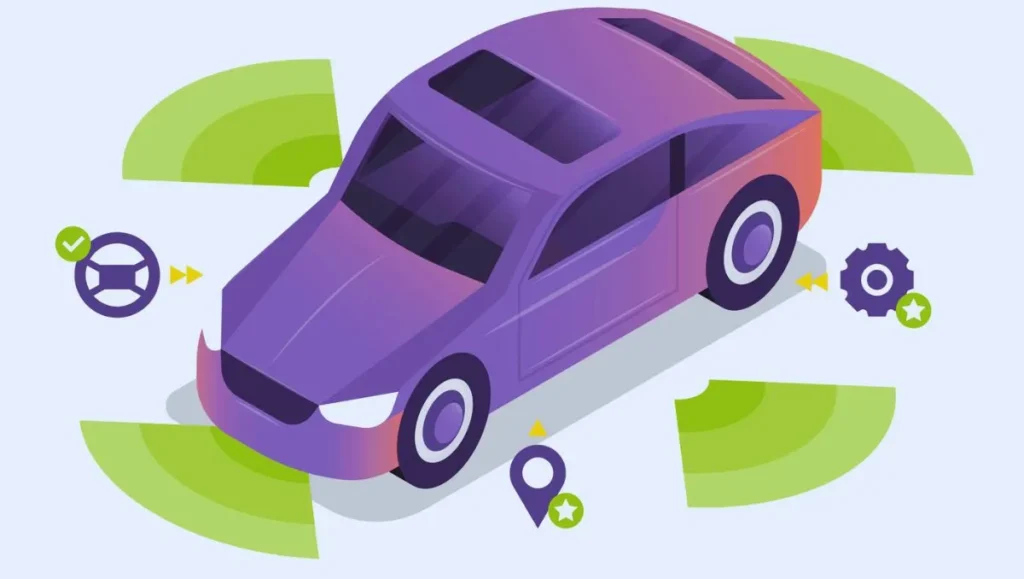
One of the significant attributes of Vehicle Monitoring System (VMS) is safety and emergency support. It covers the drivers, passengers, and cargo and minimizes the impact of the accidents and crises. The current systems integrate real-time monitoring, automatic warnings, and intelligent analytics to enhance security and provide a fast response in case of any malfunction.
1. Real‑Time Emergency Alerts
The system monitors the vehicle against anomalous conditions such as sudden braking, hard acceleration, collision or rollover.
In case of an accident/emergency, it transmits instant messages to fleet managers or security personnel or emergency actors. The most important information in these alerts is:
- Automobile position (latitude, longitude)
- Time of the incident
- Vehicle speed and direction
- Type of incident (collision, robbery attempt, engine failure)
Instant communication enables the responders to respond more quickly and prevent more harm and injuries.
2. SOS and Panic Button Functionality.
SOS buttons or SOS panic buttons are fitted in the cabin of many vehicle monitoring system (vms) units. The drivers use the button in cases of medical emergencies, hijacking, or road accidents. The system instantly alerts the authorities or fleet management, giving the specific location to enable help to be rushed to the area.
3. Detection and Data Recording of Accidents.
High-tech vehicle monitoring system (vms) controls consider sensors such as accelerometers and gyroscopes to identify accidents automatically. Others are also linked to dash-cams to record videos. This footage helps:
- Investigate the facts immediately.
- Process insurance claims
- Resolve legal disputes
Evidence is clear and this lessens confusion and also accountability.
4. Vehicle Theft and Unauthorized Access Alerts
The system prevents theft through the tracking of ignition, door locks, and geo-fencing. When the car goes somewhere it should not or inside a restricted area, alerts fire immediately. Some of them can even remotely freeze the car to prevent theft or unauthorized operation.
5. Driver and Passenger Safety
The vehicle monitoring system (vms) minimizes the risk of accidents by monitoring the behavior of the driver: overspeeding, harsh braking, fatigue. In the case of passenger cars such as school buses or taxis, routes can be traced live by parents and operators and passengers are safer and more relaxed.
6. Emergency Response Co-ordination.
The vehicle monitoring system (vms) is interconnected with fleet-management systems or emergency systems. This coordination accelerates roadside support, medical aid or security response, which can save lives and reduce damage.
7. Reporting and Regulatory Compliance.
Standard requirements that commercial fleets have to meet include AIS 140 in India. The vehicle monitoring system (vms) has such mandatory items as live tracking, emergency alerts, and panic buttons, which make it comply and automate reports to regulators.
Compliance with Government Regulations
Both the commercial, passenger and the public transport vehicles are required to comply with the government regulations. vehicle monitoring system (vms) supports current legal, safety and operational demands of authorities resulting in transparency and accountability by the organization.
All over the world, governments establish regulations that enhance road safety and passenger security, environmental protection, and discipline of the operations. Such regulations require GPS surveillance, live monitoring, emergency calls and data reporting. A vehicle monitoring system (vms) provides all these capabilities on a single platform.
1. Mandatory GPS Tracking Compliance
Numerous laws in the transport sector mandate certified GPS gadgets in commercial trucks. The vehicle monitoring system (vms) ensures tracking and history of the route with live status, which enables authorities to monitor the movement of vehicles and control illegal usage. This is critical to passenger transportation, school buses and hazardous-goods carriers.
2. AIS 140 Compliance (India)
AIS 140 is a mandatory standard in India for public transport and commercial vehicles. A compliant vehicle monitoring system (vms) offers:
- Real‑time tracking
- SOS panic button
- Bidirectional communication with control centers.
- Sharing location with government portals.
With an AIS 140-certified system, one will avoid fines, obtain operational acceptance and create regulatory trust.
3. Emergency and Safety Regulations.
Rules of the government lay stress on the safety of passengers and drivers. A vehicle monitoring system (vms) assists in fulfilling these provisions by:
- Turning on SOS and panic notifications.
- Accident detection on autopilot.
- Facilitating the quick response to emergencies.
These characteristics are imperative in buses for the general public, taxis, school transport, and logistics.
4. Speed and Driving Behavior Regulations
Areas implement speeding limits and driving conventions. A vehicle monitoring system (vms) measures the conduct of the driver-overspeed, rough braking, reckless driving and to demonstrate adherence. Automated reports facilitate inspection and audit.
5. Operational Transparency and Reporting.
Vehicle Monitoring System (vms) will automatically generate digital logs and reports including trip information, distance, fuel consumption, and idle hours. These records support:
- Audits in transport department.
- Tax and compliance reporting.
- Insurance and legal examination.
Eliminating paper work and data manipulation.
6. Environmental and Emission Control Support
A vehicle monitoring system (vms) assists fleets in meeting fuel consumption and emission requirements imposed on the environment in terms of routes, idling reduction, and the promotion of efficient driving. This is in tandem with sustainability and green transport programs.
7. Avoidance of Penalties and Legal Risks
The non-compliance may result in the huge fines, vehicle seizures, or loss of the license. Compliant vehicle monitoring system (vms) is a proactive measure, whereby the vehicles remain in legal frameworks and that the vehicles can furnish evidence of compliance where required.
Use Cases Across Industries
Vehicle Monitoring System (vms) are being used extensively in various industries to enhance their safety, efficiency, compliance, and cost management. The system is applied differently to each industry depending on its needs for application. Detailed descriptions of key industry use cases below:
1. Logistics & Transportation
Vehicle Monitoring System (vms) are critical in logistics and transportation to ensure real-time monitoring, efficiency in deliveries, and cost optimization. The Fleet managers are able to check the locations of the vehicles in real time, make sure that drivers are driving on scheduled routes, and estimate their arrival times (ETAs).
Fuel tracking and driver-behavior determine the cost of fuel and curb theft, which are significant in long-haul trucking. Trip reports, route playback, and delivery confirmation enhance transparency and customer confidence. Efficient and timely operations are ensured because the instant alerts can be taken in case of delays, breakdowns, or theft, to take corrective actions.
2. Students, Staff Transportation.
Safety and reliability are the most important in the case of school buses and staff transportation. The vehicle monitoring system can be used to track the bus live so that parents, schools, and employers can be informed about the actual whereabouts of vehicles at any one given time.
Applications like geo -fencing, pickup and drop notifications, and speed control allow buses to use approved paths and routes. Quick response during incidences is offered by emergency panic buttons and instant alerts. This does not only improve safety of passengers but also instills confidence and peace of mind among parents and organizations.
3. Construction & Mining
Mining and construction involve the use of vehicles and other heavy machinery in difficult and risky conditions. Vehicle monitoring system are used to monitor the position of dumpers, excavators, loaders and transport trucks used on large sites and remote locations.
The system tracks the engine hours, idle time, fuel consumption, and equipment used, which enables the managers to cut down on wastage of fuel and increase the productivity of the assets. Geo-fencing will keep the equipment in the area where it belongs, avoiding abuse or theft. Maintenance notification minimizes unforeseen failures and loss of money in vital processes.
4. Public Transport
Vehicle Monitoring System (vms) are implemented by the operators of the public transport in order to enhance service reliability, passenger safety, and regulatory compliance. Live tracking assists the control centers to track the buses in real time, scheduling, and minimizing the delays.
GPS tracking, SOS buttons, and real-time data sharing with authorities are ais 140 compliant features that are used to ensure compliance with the government regulations. The safety of the passengers and the quality of service is enhanced by route monitoring, speed control, and incident alerts, and the correct reporting is used to facilitate audits and operational planning.
5. Rental & Leasing Services
In the case of rental and leasing, Vehicle Monitoring System (vms) guarantee wealth protection and enhanced control. Live tracking not only stops theft of vehicles and illegal use, but also geo-fencing to make sure that vehicles do not go out of the areas they are supposed to be in.
The device logs on both the distance covered, time taken and driving experience, which assists in determining the correct rental fees, and minimizing disagreements. Maintenance alerts keep the vehicles serviced in time, which enhances the condition of the vehicle and customer experience. By keeping track of the driver behavior, damages and long term maintenance are also minimized.
Data Analytics and Reporting
The intelligence layer of the Vehicle Monitoring System (VMS) is data analytics and reporting. As raw data is gathered by tracking devices and sensors, analytics transform the raw data into clear insight, trends, and actionable reports that are used to make informed decisions, enhance efficiency, and save costs in organizations.
Vehicle monitoring system gathers very high volumes of data, which include: vehicle position, speed, fuel, engine health, driver behavior, trip history, idle time, and maintenance history. This raw data is manipulated and stored on a cloud platform where sophisticated analytics engines arrange, analyze and interpret this information in real time and across historical periods.
1. Real‑Time Data Analytics
Real-time analytics will give immediate insight on the current fleet activities. Managers will be able to see live dashboards that display:
- Active and idle vehicles
- Current speed and route adherence
- Fuel levels and sudden drops
- Safety alerts and violations
This will allow them to take necessary measures at once in case of problems with the route or excessive speed, as well as fuel theft.
2. Historical Data Analysis
Historical analytics assist organizations to know the historical patterns and tendencies. Businesses can use past trips and performance to:
- Identify high-performing and underperforming vehicles
- Compare fuel efficiency across routes or drivers
- Evaluate delivery timelines and delays
- Measure vehicle utilization rates
These observations can be used in strategic planning and operational enhancement.
3. Performance and Efficiency Reporting.
Automated reports that are generated by vehicle monitoring system include:
- Trip and route reports
- Fuel consumption and theft reports
- Driver behavior and safety scorecards
- Idle time and stoppage analysis
- Vehicle health and maintenance reports
These reports will remove manual record-keeping and give the correct tamper proof data.
4. Customizable and Role-Based Reporting
Advanced vehicle monitoring system (vms) enable customized reports according to the business requirements. Role-specific dashboards and reports can be accessed by the managers, supervisors, finance teams, and compliance officers and each stakeholder can see the relevant data without complexity.
5. Cost Analysis and Optimization
Analytics is used to measure the operational cost in terms of fuel cost, maintenance cost, labour cost, and the cost of downtime. Organizations can identify areas of inefficiency and take the necessary actions by comparing the consumption of fuel with the distance covered or the driver’s behavior. This has a direct impact on cost-saving and enhanced ROI.
6. Compliance and Audit Support
Compliance with government and regulatory requirements such as speed limits, compliance with routes, and safety standards is supported by detailed reports. Digital reports will give evidence of compliance and operational transparency during audits or inspections.
7. Predictive Insights and Decision Support
Advanced analytics involves the use of past history to forecast what is yet to happen, including:
- Maintenance requirements
- Fuel consumption trends
- High-risk driving patterns
These forecasts are useful in enabling organizations to move beyond reactive management into proactive and preventive management.
Cloud-Based & Mobile Accessibility
Modern Vehicle Monitoring System (VMS) have cloud-based and mobile access as their key characteristics. They provide the ability for users to monitor and manage vehicles at any time and from anywhere. Cloud computing and mobile technology eliminate the boundaries of physical servers and manual supervision. It provides scalability, flexibility, and real-time access to vital information.
1. Cloud-Based Architecture
Under a cloud-based system, all vehicle information, such as location, fuel consumption, driver habits, trip history, and services, is safely transferred and placed in cloud servers. This core strategy allows a collection of thousands of vehicles to be managed effectively with no local servers.
Key advantages:
- Availability and reliable data are high.
- Auto-updates and new functionality.
- Fleet expansion infrastructure that is scalable.
- Backup and disaster recovery storage services.
The cloud is made the central intelligence node, which guarantees easy processing and analytics of data.
2. Real-Time Data Access from Anywhere
Through cloud connectivity, clients will be able to perceive live vehicle data anywhere and everywhere with an internet connection. There is no longer a need for fleet managers have a control center on site. It is exceptionally helpful in multi-city or national fleets when the centralized control is necessary.
3. Mobile Application Accessibility
Mobile applications take the monitoring directly to phones and tablets. They let users:
- Track cars by real-time maps.
- Get instant notifications and alerts.
- Examine trip status and expected arrival time.
- See a fuel, safety, and maintenance notice.
- Rapid emergency response.
Mobile accessibility accelerates the process of decision-making and provides managers with control in the meantime.
4. Web-Based Dashboards
Web dashboards have a rich interface to perform extensive analysis and reporting. They are best suited to administrative work, such as the evaluation of performance, reporting, and data analytics. The users are able to log in safely using any browser without the need to install any special software.
5. Multi-User and Role-Based Access
Role-based access control is supported by cloud platforms. This allows administrators, managers, drivers and clients to view only the information that is pertinent to them. It enhances the security of data and at the same time informs everybody.
6. Faster Response and Improved Collaboration
Mobile and cloud technologies provide the ability to share information between teams in real time. Many users can access alerts, reports, and live tracking at the same time, enhancing their response to emergencies, delays, or operational issues.
7. Cost Efficiency and Reduced IT Overhead
The expenses of hardware maintenance, software installation, and manual data backup are saved with the use of cloud infrastructure. It renders car monitoring systems less expensive and convenient to service.
Benefits for Businesses and Individuals
vehicle monitoring system (vms) has significant advantages for both a company and a personal vehicle owner. It enhances visibility, safety, efficienc,y and cost control. Live information becomes operational knowledge on how to make smarter decisions and manage the vehicles.
Benefits for Businesses
1. Improved Operational Efficiency
Complete knowledge of the movement, routes, and use of vehicles will reduce time loss, improve routes, and ensure proper delivery of products, which will make the day-to-day operations run smoothly.
2. Reduced Operating Costs
The monitoring of fuel, efficient route planning, and the analysis of driver behavior reduce fuel returns, maintenance, and repair expenses. Preventive maintenance notifications eliminate breakdowns and prolong the life of the vehicle, which saves on costs in the long run.
3. Enhanced Fleet Safety
Monitoring drivers’ activitie,s such as over-speed aggressive deceleration, reduces accidents and property damage. Faster responses to calls are introduced by emergency alerts and detecting accidents, which save the lives of drivers, passengers, and cargo.
4. Increased Productivity
Improved vehicle distribution, reduced idle time, and improved scheduling will enable businesses to do more trips with less effort and increase overall productivity and ROI.
5. Theft Prevention and Asset Protection
Instant notifications, geo-fencing, and live tracking prevent theft of vehicles, fuel, and unauthorized access. Business organizations save money and other valuable resources.
6. Regulatory Compliance
Vehicle Monitoring System (VMS) assists in addressing government needs, including GPS requirements and AIS 140. Automated reports give evidence of compliance in the audits and inspections.
7. Data-Driven Decision Making
Fine-grained analytics and reports indicate the fleet performance, driver performance, and cost trend. This information can be utilized by the management in strategic decision-making that will increase profitability and quality of services.
Benefits for Individuals
1. Enhanced Vehicle Security
Owners are provided with real-time tracking and theft notifications. Live data enhances the chances of a rapid recovery in case of a stolen vehicle.
2. Improved Personal Safety
The use of the Emergency SOS features and accident alerts makes it possible to be helped fast in the event of an emergency, which ensures the driver and family peace of mind.
3. Better Driving Habits
Insights into behaviors promote safer and more effective driving, minimizing the risk of accidents and the use of fuel.
4. Lower Vehicle Maintenance Costs
Maintenance notifications and health warnings make sure that owners maintain their vehicles in time, avoiding significant repairs and prolonging the life of a vehicle.
5. Convenience and Control
The mobile access also allows a person to track the condition of his or her vehicle remotely, evaluate the history of trips, and get notifications at any place at any time.
6. Cost Savings
Efficient driving, reduced consumption of fuel, and preventative maintenance not only save money but also save money over time.
Scalability and Customization – Vehicle Monitoring System (VMS)
The modern vehicle monitoring system (vms) have strong scalability and customization. They accommodate users of both the individual vehicle owners and large enterprises owning thousands of vehicles. These capabilities provide the ability of the system to expand with the business requirements, and also accommodate the targeted operational requirements with a lot of ease.

Scalability
1. Easy Expansion from Small to Large Fleets
Video surveillance of vehicles is built in a scaled manner. Organisations can start off with a small number of vehicles and over time, it can be expanded without having to alter the core infrastructure. The cloud platform allows adding new vehicles, devices or sensors fast and supports the expansion of the fleet easily.
2. Cloud-Based Scalability
Since the system is based on cloud architecture, the system is able to process it into growing amounts of data, users and vehicles without affecting performance. Storage services, processing power, and analytics services are automatically scaled with fleet size, and there is no need to upgrade hardware.
3. Multi-Location and Multi-Fleet Support
Scalable systems serve a single platform across several branches, regions or business units. This can be useful in those organizations that work in various cities or countries, which allows centralized monitoring with region-wise or fleet-wise perspective.
4. Support for Diverse Vehicle Types
The same platform can support vehicle monitoring of cars, buses, trucks, two-wheelers, heavy equipment and electric vehicles. This is what makes them suitable in mixed fleets.
Customization
1. Feature-Based Customization
Organizations will be able to customize features to their operation requirements. As an example, logistics operators can concentrate on optimizing routes and fuel consumption; school transportation can be concerned with safety warnings and pickup/drop messages; construction fleets can be interested in engine working hours and equipment usage. This will enable users to spend on what they require.
2. Custom Alerts and Rules
The system enables the users to create their own alert settings in relation to speed, idle time, fuel drops, geo-fence violation, or maintenance schedules. The alerts can be specific to a particular vehicle, a driver or a route.
3. Custom Reports and Dashboards
Monitoring systems of the vehicles have customizable dashboards and reports. Users are allowed to select individual KPIs, timeframes, and formatting to meet business objectives, management audits, or regulatory needs.
4. Integration with Existing Systems
Customization also involves ERP systems, logistics software, payroll, insurance system or government portals integration. This secures a good flow of data as well as obviating duplication of effort.
Future of Vehicle Monitoring System (VMS)
The future of car surveillance systems is strongly connected to the fast technology realization, the evolution of mobility trends and trends, and the rising demands to safety, efficiency, and sustainability. With increasingly intelligent and related vehicles, vehicle monitoring system (vms) will grow to predictive and autonomous data-driven mobility platforms.
1. AI-Driven Predictive Intelligence
Future vehicle monitoring system (vms) will apply artificial intelligence and machine learning in anticipating events. Systems will predict possible failure, unsafe driving habits, inefficiency in fuel consumption, and accident prone roads. Predictive intelligence facilitates pro-active maintenance, accident avoidance and more intelligent fleet planning.
2. Deeper IoT and Sensor Integration
The IoT sensors will be more advanced and diverse in vehicles to allow tracking each component in a more refined manner. The future systems will offer greater information on safety and efficiency, including tire pressure and brake health, load weight, and environmental conditions.
3. 5G and Edge Computing Adoption
The 5G networks are supported by ultra low latency and high speed transmission of data. This can be used together with edge computing to allow vehicles to make immediate decisions in real time which may include real-time collision avoidance or alerts to the driver without depending entirely on cloud processing.
4. Electric Vehicle (EV) and Battery Monitoring
With the increasing use of EVs, vehicle monitoring system (vms) will also have battery health management, charging behavior analysis, range prediction, and energy efficiency optimization. The features form a part of EV fleet management and provide stable operations.
5. Integration with Autonomous and ADAS Technologies
Vehicle Monitoring System (VMS) will be connected to the advanced driver assistance systems and self-driving platforms. The monitoring will be not only of drivers, but also of the autonomous system performance, accuracy of sensors, and AI decisions tracking to guarantee safety and responsibility.
6. Enhanced Safety and Emergency Automation
The next-generation technologies will automate the emergency response process and link it directly with the emergency services, traffic officers, and insurance websites. Vehicles are able to smartly provide crash data, the position, and video recordings in case of an accident, accelerating the rescue and claims procedures.
7. Smart City and Infrastructure Integration
Vehicle Monitoring System (VMS) will join smart city systems, exchanging information with traffic management and toll systems, parking systems, and public transportation systems. This integration will improve the congestion, traffic flow, and urban mobility.
8. Advanced Data Security and Privacy
As the amounts of data increase, future vehicle monitoring system (vms) systems will have stronger cybersecurity models, such as encryption, data integrity through blockchains, and more rigorous access controls, making sure that those systems follow the international data protection laws.
9. User-Centric and Customizable Experiences
The systems of the future will be geared towards enhanced user experience with AI-powered dashboards, voice assistants, and individual insights. Users will also get simple but practical recommendations, not complex data sets.
Challenges and Considerations
Even though Vehicle Monitoring System (VMS) have a great number of advantages, the implementation of this system is possible only after overcoming the main challenges. Recognition of these factors will enable businesses and individuals to make quality decisions and generate maximum returns on investment.
1. Initial Implementation Cost
Cost of hardware, sensors, installation and software subscriptions is one of the major challenges at the start up. Such sophisticated functions as fuel sensors, dash cameras, or AIS 140-approved systems increase the first purchase. To make their companies financially viable, the companies are required to compare costs with long-term savings.
2. Device Quality and Reliability
A vehicle monitoring system (vms) relies on the quality of the tracking devices and sensors. Poor quality hardware may generate false data, lots of failures or low longevity, particularly in extreme conditions such as a construction or mining location. It is imperative to select rugged certified equipment.
3. Network Coverage and Connectivity
Vehicle Monitoring System (VMS) are based on the use of cellular networks (GSM/4G/5G) to transmit data. The lack of coverage in remote or rural regions may lead to the delay in updates or the absence of data. The companies working within these areas ought to think over the devices with offline data or satellite support.
4. Data Accuracy and Calibration
Sensors and analytics of fuel, engines, and driver behavior need calibration and configuration. Poor set-up results in inaccurate reports, false alerts and bad decisions. Calibration and system checks have to be done regularly to ensure integrity of data.
5. Data Security and Privacy
Vehicle Monitoring System (VMS) has sensitive information, such as the position of vehicles, driver behavior and patterns of operations. The data security, encryption and access control is vital in eliminating unauthorized access and misuse. Firms should also adhere to data protection and privacy laws.
6. User Training and Adoption
The use of technology does not guarantee success. Staff, drivers, and fleet managers should be appropriately trained to learn how to use dashboards, alerts, and reports. It should be able to overcome resistance caused by drivers who fear surveillance by communicating out the benefits of implementation in terms of safety and efficiency.
7. Integration with Existing Systems
Combining Vehicle Monitoring System (vms) and ERP, logistics, payroll or accounting systems may be complicated. The lack of compatibility and/or the absence of standard APIs can introduce customization complexity and expense. Early integration is of importance.
8. Alert Fatigue and Data Overload
Vehicle Monitoring System (VMS) produce big volumes of information and notifications. The users can be exposed to alert fatigue in the absence of proper setup, that is, notifications can be missed. It is necessary to customize alerts and pay attention to the key performance indicators.
9. Regulatory and Compliance Variations
Laws that are set by the government are different in different areas and evolve. The monitoring and upgrading of the system is necessary to keep it in line with the changing standards e.g. AIS 140.
SUMMARY
A successful implementation of Web 2.0 requires careful planning, good hardware, good connectivity, good protection of data, and correct training of the users. With active work on the challenges, organizations will be able to capitalize on the maximum benefits of vehicle monitoring system (vms) and create a stable, efficient, and future-oriented vehicle management system.
Conclusion – Vehicle Monitoring System (VMS)
From being mere tracking tools, Vehicle Monitoring System (vms) have developed into full-scale, intelligent systems that are very crucial in transportation and management of fleets in the contemporary world. With the integration of GPS and IoT sensors, real-time connectivity, cloud solutions, and sophisticated analytics, such systems provide a high level of visibility and control of vehicles.
In this discussion, it is apparent that the vehicle monitoring system (vms) provide value in safety, efficiency, cost control, compliance and decision-making. The characteristics like real-time tracking, fuel management, driver behavior, route optimization, vehicle health warnings, and emergency service bring the organizations to reactive mode to proactive and predictive operations.
To businesses, vehicle monitoring system (vms) enhance productivity, reduce the costs of operation and safeguard resources as well as regulatory hazards. They allow making decisions based on data, providing better customer care, and gaining a high ROI. To the common man, these systems increase the security of the vehicles, personal safety, discipline of the driving and the peace of mind.
The scalability and customization of the modern systems enable them to respond to the changing requirements, be it a small fleet operation or a multi-location operation. As AI, 5G, and electric vehicles, as well as AI-operated technologies advance in the future, the vehicle monitoring system (vms) will keep expanding in terms of intelligence and significance.
Nevertheless, the implementation process of such an adoption takes a lot of thought to be implemented successfully, considering issues of device quality, data security, network coverage, user training, and system integration. These aspects are to be addressed resulting in reliability over the long-term and maximum benefits.
Conclusively, Vehicle Monitoring System is no longer something to be luxuriously positioned at, it is a strategic requirement toward safety, efficiency and compliant mobility. With the continued development of smarter and more connected transportation ecosystems, vehicle monitoring system (vms) will continue to be the center of intelligent vehicle and fleet management, allowing organizations and people to act with confidence, control, and efficiency.