
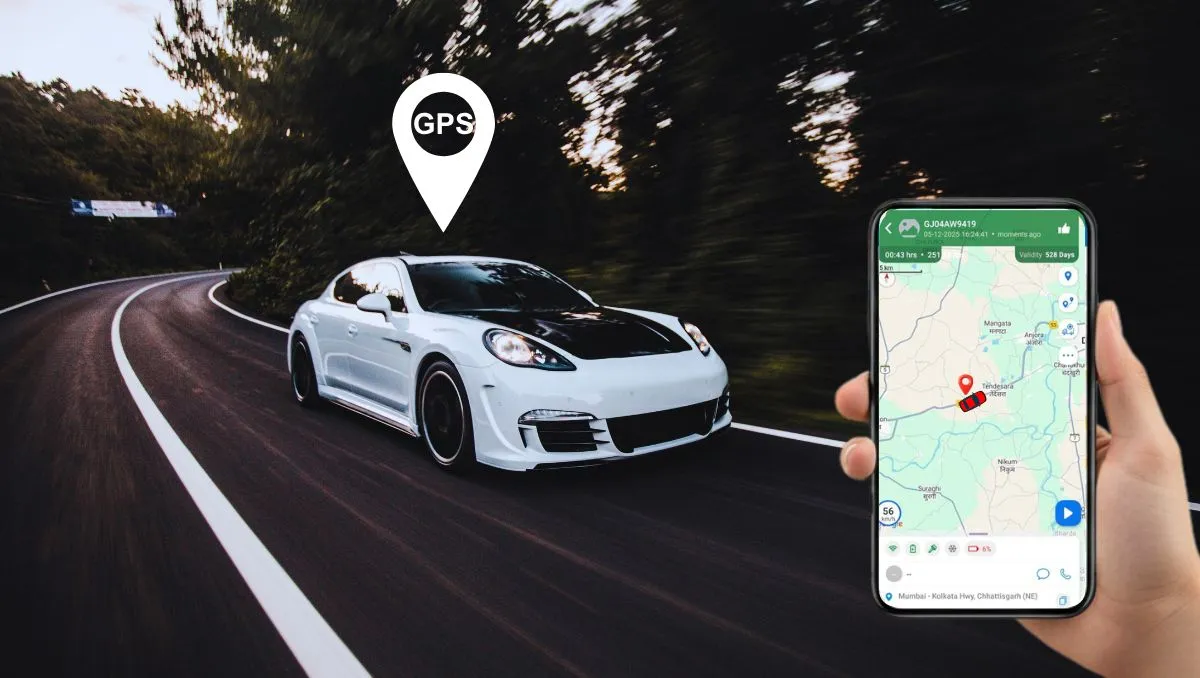
Introduction: Understanding the Types of Vehicle Tracking System
In a world where, every second matters and every kilometre counts, to know exactly where your the vehicle is is perhaps like having the most exclusive peace of mind. From fleet owners with multiple trucks to logistics companies that need to deliver goods on time, and even parents tracking a school bus — vehicle tracking technology is playing an important role in transportation today. It is precisely because understanding the types of vehicle tracking system available today is more relevant than ever.
So how many vehicle tracking systems are there?
In broader terms, there are three primary categories of vehicle tracking system:
- Passive tracking systems
- Active tracking systems
- Hybrid tracking systems
But with the advent of technology, these systems are diversified into GPS based tracking solutions, GSM based tracking solutions, Satellite based tracking solutions, OBD based tracking and RFID enabled tracking. Each system is meant for specific needs — route recording, advanced fleet management based on real-time data, etc.
The increasing necessity for safety, transparency, and operational efficiency has driven the adoption of various types of vehicle tracking system across industries. All businesses turn to tracking systems not only to track the location of a car or van for coordinating business purposes but also improving driver behavior, lowering fuel consumption through effective route planning, preventing theft and helping for regulatory compliance.
Governments along with private sector are promoting smart tracking solutions to create a safe, accountable transport ecosystem in India and worldwide. from its original form as a simple GPS location device has grown into massive technology with layers upon layers of uses, from real-time alerts to route optimisation, engine diagnostics and emergency response systems.
Understanding the different types of vehicle tracking system and their alignment with your profession is where you start deciding which Solution fits for you. In the following sections, we will examine these types closely for you to give an informed and confident decision.
1. Passive Vehicle Tracking System
When discussing the different types of vehicle tracking system, one of the most practical and cost-effective options is the Passive Vehicle Tracking System. While it may not provide live, real-time updates, it plays a powerful role in monitoring vehicle activity with accuracy and reliability.

In many businesses, especially small and medium-sized fleets, real-time tracking is not always necessary. What matters more is understanding how the vehicle performed during the day — where it traveled, how long it stopped, how fast it moved, and whether it followed the planned route. This is where a passive system becomes highly valuable.
What Is a Passive Vehicle Tracking System?
A passive vehicle tracking system records all vehicle-related data during the trip. It collects information such as:
- Route history
- Speed reports
- Ignition on/off data
- Trip duration
- Stops and idle time
However, unlike active systems, the data is stored internally in the device. It is later downloaded manually to a computer or software dashboard for analysis.
Among the various types of vehicle tracking system, passive tracking is known for its simplicity, affordability, and reliability.
How Does It Work?
The system uses GPS technology to capture the vehicle’s location at regular intervals. Instead of transmitting the data immediately through a mobile network, it saves the information in its internal memory.
Once the vehicle returns to the base, the data can be retrieved and reviewed. This makes it ideal for businesses that require detailed reports but do not need live monitoring.
Why Choose a Passive Tracking System?
Many fleet owners prefer passive tracking because it offers practical benefits without high operational costs.
1. Cost-Effective Solution
There are no continuous data transmission charges, making it budget-friendly.
2. Detailed Route Analysis
It provides accurate trip playback and travel history.
3. Improved Driver Accountability
Managers can review driving patterns and identify areas for improvement.
4. Reduced Operational Expenses
By analyzing route efficiency and idle time, businesses can reduce fuel consumption.
5. Ideal for Compliance Reporting
Stored data can be used for audits, internal reviews, and regulatory requirements.
When comparing different types of vehicle tracking system, passive tracking stands out as a dependable option for companies focused on performance analysis rather than live surveillance.
Who Should Use a Passive Vehicle Tracking System?
This system works best for:
- Small fleet operators
- Construction companies
- Rental vehicle businesses
- Delivery services with fixed routes
- Organizations needing historical data reports
It is particularly useful when vehicles operate in areas with weak network connectivity, as it does not rely on continuous signal transmission.
Passive vs. Other Types of Vehicle Tracking System
Unlike active tracking systems that provide instant updates and alerts, passive systems prioritize data storage and post-trip evaluation. While hybrid systems combine both features, passive tracking remains the most economical among the main types of vehicle tracking system.
A Smart Choice for Practical Monitoring
Not every operation requires real-time visibility. Sometimes, what truly matters is understanding performance after the journey is complete. A passive vehicle tracking system offers clarity, accountability, and control without unnecessary complexity.
In the evolving world of transportation technology, choosing the right solution depends on your goals. And among the many types of vehicle tracking system, passive tracking continues to be a smart, stable, and efficient choice for businesses seeking data-driven decisions and long-term operational improvement.
2. Active Vehicle Tracking System
When exploring the different types of vehicle tracking system, the Active Vehicle Tracking System stands out as the most powerful and widely used solution in today’s fast-moving world. In industries where time, safety, and real-time decision-making matter, active tracking has become more than just a tool — it has become a necessity.
Imagine being able to see your vehicle’s exact location at this very moment. Whether it’s a delivery van on the highway, a school bus carrying children, or a logistics truck transporting valuable goods, real-time visibility brings confidence and control. That’s exactly what an active vehicle tracking system offers.
What Is an Active Vehicle Tracking System?
An active vehicle tracking system provides real-time tracking of vehicles using GPS and cellular networks. Unlike passive systems that store data internally, active systems continuously transmit information to a central server or cloud platform.
This allows fleet managers and vehicle owners to:
- Monitor live vehicle location
- Receive instant alerts
- Track speed and route deviations
- Set geo-fencing boundaries
- Access trip history anytime
Among all the types of vehicle tracking system, active tracking is considered the most advanced for live monitoring and operational control.
How Does It Work?
The system uses:
- GPS technology to capture accurate location data
- GSM or mobile networks to transmit information in real time
- A cloud-based dashboard or mobile app to display data instantly
As the vehicle moves, updates are sent continuously. This ensures you are always aware of what is happening — no waiting, no guesswork.
Why Active Tracking Is So Important Today
In a world where customer expectations are higher than ever, businesses cannot afford delays or uncertainty. Active tracking helps organizations stay proactive instead of reactive.
1. Real-Time Monitoring
You can track vehicles live on a map and make quick decisions.
2. Instant Alerts
Get notifications for overspeeding, route deviation, ignition status, or unauthorized stops.
3. Improved Safety
In case of emergencies, real-time location helps in quick response and assistance.
4. Theft Prevention
If a vehicle is stolen, live tracking significantly increases recovery chances.
5. Better Customer Service
Share live tracking links with customers to build trust and transparency.
When comparing different types of vehicle tracking system, active systems are ideal for businesses that depend on accuracy and speed.
Who Should Use an Active Vehicle Tracking System?
Active tracking is highly suitable for:
- Logistics and transport companies
- School and college buses
- Taxi and ride-sharing services
- Emergency vehicles
- Corporate fleets
- E-commerce delivery services
If your business relies on timely deliveries and real-time coordination, active tracking is the right choice.
Active vs. Other Types of Vehicle Tracking System
Among the main types of vehicle tracking system, passive systems focus on post-trip analysis, while hybrid systems combine both features. However, active tracking leads when it comes to live visibility, instant decision-making, and enhanced security.
It may involve slightly higher operational costs due to data transmission, but the benefits in efficiency, safety, and customer satisfaction often outweigh the investment.
More Than Just Tracking — It’s Control and Confidence
An active vehicle tracking system does more than show dots moving on a map. It gives businesses confidence, families peace of mind, and fleet managers complete operational control.
In today’s competitive and safety-conscious environment, understanding the different types of vehicle tracking system helps you choose the one that aligns with your goals. And if real-time updates, instant alerts, and proactive management are your priorities, the active vehicle tracking system is a smart and future-ready solution.
Because in modern transportation, being informed in real time means staying ahead.
3. Hybrid Vehicle Tracking System
When exploring the different types of vehicle tracking system, the Hybrid Vehicle Tracking System represents the perfect balance between real-time monitoring and detailed data storage. In today’s fast-changing transportation industry, businesses often need both live visibility and historical insights — and that’s exactly where hybrid tracking shines.
Imagine managing a fleet where you can monitor vehicles live during the trip, and still access complete journey reports afterward. No data loss, no blind spots, and no compromises. A hybrid vehicle tracking system brings together the strengths of both passive and active tracking into one smart solution.
What Is a Hybrid Vehicle Tracking System?
A hybrid vehicle tracking system combines:
- Active tracking features (real-time GPS updates)
- Passive tracking features (internal data storage)
This means the device continuously transmits live location data while also storing trip details internally. If network connectivity is interrupted, the data is safely saved and automatically uploaded once the connection is restored.
Among all the types of vehicle tracking system, hybrid systems offer the highest level of reliability and flexibility.
How Does It Work?
The hybrid system uses:
- GPS satellites to capture precise vehicle location
- GSM or mobile networks for real-time data transmission
- Internal memory to store trip data securely
During normal operation, the system sends live updates to a dashboard or mobile app. If the vehicle enters an area with poor network coverage, the device temporarily switches to storage mode and uploads the saved data later.
This ensures zero data gaps, which is crucial for businesses that rely on accurate reporting.
Why Choose a Hybrid Vehicle Tracking System?
Hybrid systems are designed for organizations that need comprehensive tracking without limitations.
1. Real-Time Monitoring
Track vehicles live and make instant decisions.
2. Complete Trip History
Access detailed reports including speed, stops, routes, and idle time.
3. Data Security
No information is lost, even in low-network areas.
4. Improved Operational Efficiency
Analyze both live and historical data to optimize routes and reduce fuel costs.
5. Better Compliance and Reporting
Ideal for businesses that must maintain accurate records for audits or regulations.
When comparing the various types of vehicle tracking system, hybrid tracking is often considered the most advanced and dependable option.
Who Should Use a Hybrid Vehicle Tracking System?
Hybrid tracking is best suited for:
- Large fleet operators
- Government and public transport vehicles
- Long-distance logistics companies
- Mining and construction vehicles
- Emergency service fleets
These industries require both live supervision and detailed performance analysis — making hybrid systems the ideal solution.
Hybrid vs Other Types of Vehicle Tracking System
Among the three primary types of vehicle tracking system — passive, active, and hybrid — the hybrid model offers the most comprehensive approach.
- Passive systems focus on stored data only.
- Active systems focus on real-time transmission.
- Hybrid systems deliver both.
While hybrid tracking may involve a slightly higher initial investment, the long-term benefits in accuracy, control, and efficiency make it a smart and future-ready choice.
A Complete Solution for Modern Mobility
In today’s transportation landscape, businesses can no longer choose between real-time updates and detailed reports — they need both. A hybrid vehicle tracking system provides confidence during the journey and clarity after it ends.
Understanding the different types of vehicle tracking system helps you choose what aligns with your operational goals. And if you want reliability, flexibility, and complete visibility in one system, hybrid tracking stands out as the ultimate solution.
Because modern fleet management isn’t just about knowing where your vehicles are — it’s about knowing everything that matters, anytime you need it.
4. GPS-Based Tracking Systems
When discussing the different types of vehicle tracking system, one technology stands at the heart of almost every modern solution — the GPS-Based Tracking System. GPS, or Global Positioning System, has completely transformed the way we monitor, manage, and protect vehicles.
In today’s world, where safety, punctuality, and efficiency matter more than ever, GPS-based tracking provides the confidence of knowing exactly where your vehicle is — anytime, anywhere.
What is a GPS-Based Tracking System?
A GPS-based tracking system uses satellite signals to determine the precise location of a vehicle. The device installed inside the vehicle communicates with GPS satellites orbiting the Earth, calculates its position, and then sends that information to a central server or application.
Among the various types of vehicle tracking system, GPS-based systems are the most widely used because of their accuracy and reliability.
How Does It Work?
The process is simple yet powerful:
- GPS satellites transmit signals to the tracking device.
- The device calculates the vehicle’s exact latitude and longitude.
- The location data is sent through a mobile network to a cloud-based platform.
- The user can view the vehicle’s movement on a smartphone or computer.
This seamless technology ensures real-time visibility and precise route mapping.
Why GPS-Based Tracking Systems Are So Popular
GPS-based systems are trusted worldwide because they offer practical, real-time solutions for both individuals and businesses.
1. Accurate Location Tracking
Provides precise vehicle positioning within a few meters.
2. Real-Time Monitoring
Track live movement on digital maps.
3. Route History Playback
Review past trips to analyze performance.
4. Speed Monitoring
Ensure drivers follow speed regulations.
5. Enhanced Security
Quickly locate vehicles in case of theft or emergency.
When comparing different types of vehicle tracking system, GPS-based tracking remains the foundation of most advanced tracking technologies.
Who Benefits from GPS-Based Tracking Systems?
These systems are ideal for:
- Logistics and transport companies
- Taxi and ride-sharing services
- School bus operators
- Delivery businesses
- Personal vehicle owners
- Fleet management companies
Whether you manage one vehicle or hundreds, GPS tracking provides clarity and control.
GPS-Based Systems vs Other Types of Vehicle Tracking System
Among all types of vehicle tracking system, GPS-based solutions are often integrated into passive, active, and hybrid models. In fact, without GPS technology, modern vehicle tracking would not be possible.
While some systems may use additional technologies like GSM or satellite communication, GPS remains the core component that determines location accuracy.
Building Trust Through Technology
A GPS-based tracking system is not just about dots moving on a screen. It’s about ensuring timely deliveries, improving driver accountability, reducing fuel wastage, and strengthening customer trust.
For businesses, it means better operational efficiency. For families, it means peace of mind. For fleet owners, it means complete visibility and smarter decision-making.
Understanding the different types of vehicle tracking system helps you choose the right solution for your needs. And at the center of all modern tracking solutions, GPS-based systems continue to lead the way — offering accuracy, transparency, and confidence in every journey.
Because in today’s fast-moving world, knowing your vehicle’s exact location is no longer optional — it’s essential.
5. GSM-Based Tracking Systems
When exploring the different types of vehicle tracking system, GSM-based tracking systems play a crucial role in making real-time vehicle monitoring possible. While GPS determines the vehicle’s location, GSM (Global System for Mobile Communications) ensures that this information is transmitted instantly to you. Together, they create a powerful tracking solution that keeps you connected to your vehicles at all times.
In today’s fast-paced world, staying informed is not just about knowing where your vehicle is — it’s about receiving that information without delay. That’s where GSM-based tracking systems truly shine.
What is a GSM-Based Tracking System?
A GSM-based tracking system uses a SIM card and mobile network to send vehicle location data to a centralized server or cloud platform. It works alongside GPS technology to transmit real-time updates directly to your smartphone or computer.
Among the major types of vehicle tracking system, GSM-based systems are widely used because of their affordability, accessibility, and strong mobile network coverage.
How Does It Work?
The process is simple yet effective:
- The GPS module captures the vehicle’s location.
- The GSM module, using a SIM card, sends this data via the mobile network.
- The data is stored on a secure server.
- Users can access live tracking information through an app or web dashboard.
Because GSM networks are widely available in urban and semi-urban areas, these systems provide reliable communication in most operating environments.
Why GSM-Based Tracking Systems Are So Popular
Businesses and individual vehicle owners prefer GSM-based systems because they offer a practical balance between performance and cost.
1. Real-Time Updates
Location data is transmitted instantly through mobile networks.
2. Wide Network Coverage
Works efficiently in cities and towns with strong GSM connectivity.
3. Cost-Effective Solution
Lower operational costs compared to satellite-based tracking.
4. Instant Alerts
Receive notifications for overspeeding, route deviation, ignition status, or geo-fencing breaches.
5. Easy Installation and Maintenance
Simple setup makes it suitable for various vehicle types.
When comparing different types of vehicle tracking system, GSM-based solutions are considered ideal for everyday fleet operations.
Who Should Use GSM-Based Tracking Systems?
These systems are especially suitable for:
- Delivery and courier services
- School and college buses
- Taxi operators
- Corporate fleets
- Small and medium fleet owners
- Personal vehicle users
If your vehicles operate mainly in areas with stable mobile network coverage, GSM-based tracking is a smart and reliable choice.
GSM-Based Systems vs Other Types of Vehicle Tracking System
Among all types of vehicle tracking system, GSM-based tracking is often integrated into active and hybrid systems. While satellite-based systems are better for remote areas with no cellular coverage, GSM solutions are more economical and practical for daily commercial use.
Passive systems may store data without transmission, but GSM-based systems ensure you stay updated in real time — giving you more control and quicker response capability.
Staying Connected, Staying in Control
A GSM-based tracking system is more than just a communication tool — it is the link that keeps vehicle data flowing seamlessly from the road to your screen. It empowers businesses to make faster decisions, respond to emergencies, and improve operational efficiency.
Understanding the different types of vehicle tracking system helps you select the right technology for your needs. And for most urban and commercial operations, GSM-based tracking systems offer the perfect blend of connectivity, affordability, and performance.
Because in modern transportation, being connected means being in control — every mile of the way.
6. Satellite-Based Tracking Systems
When discussing the advanced types of vehicle tracking system, Satellite-Based Tracking Systems represent the highest level of connectivity and reliability. In situations where traditional mobile networks fail, satellite technology ensures that vehicles remain visible and traceable — no matter how remote the location.
Imagine a truck traveling through desert highways, a mining vehicle operating deep in isolated areas, or a ship moving across open waters. In such environments, GSM networks may disappear — but satellites do not. That’s the true power of satellite-based tracking.
What Is a Satellite-Based Tracking System?
A Satellite-Based Tracking System uses satellite communication networks instead of regular cellular networks to transmit vehicle location data. The device installed in the vehicle communicates directly with orbiting satellites, sending real-time information to a secure monitoring platform.
Among the various types of vehicle tracking system, satellite-based systems are considered the most dependable for operations in remote or network-dead zones.
How Does It Work?
The system works in three simple steps:
- The GPS module captures the vehicle’s location coordinates.
- The satellite communication module transmits the data directly to satellites.
- The information is relayed to a ground station and displayed on a tracking dashboard.
Unlike GSM-based systems, this setup does not depend on local mobile towers, ensuring uninterrupted tracking coverage.
Why Choose Satellite-Based Tracking Systems?
Satellite tracking systems are designed for industries where continuous connectivity is critical.
1. Global Coverage
Track vehicles anywhere in the world — even in remote mountains, deserts, or oceans.
2. Reliable Communication
No dependency on mobile network availability.
3. Enhanced Security
Ideal for high-value asset transportation and sensitive operations.
4. Real-Time Alerts
Receive instant updates even in isolated regions.
5. Strong Disaster Response Support
During natural disasters when mobile networks fail, satellite tracking remains active.
When comparing different types of vehicle tracking system, satellite-based tracking stands out for its unmatched reliability.
Who Should Use Satellite-Based Tracking Systems?
These systems are best suited for:
- Mining and construction companies
- Oil and gas transportation
- Marine and shipping industries
- Defense and security fleets
- Long-haul logistics in remote regions
For businesses operating beyond urban infrastructure, satellite tracking offers peace of mind and operational confidence.
Satellite vs Other Types of Vehicle Tracking System
Among the primary types of vehicle tracking system, GSM-based systems are more affordable and widely used in cities, while passive systems focus on data storage. Hybrid systems combine features for flexibility.
However, satellite-based tracking is the preferred solution when network availability is uncertain. Although it involves higher installation and operational costs, the reliability and global coverage make it a worthwhile investment for critical operations.
Tracking Without Boundaries
A Satellite-Based Tracking System goes beyond traditional limitations. It ensures that no matter how far your vehicle travels — across borders, through mountains, or into remote industrial zones — you stay connected.
Understanding the different types of vehicle tracking system helps you choose the technology that aligns with your operational environment. And when uninterrupted global tracking is your priority, satellite-based systems provide the ultimate solution.
Because in today’s world, true visibility means tracking without boundaries — anytime, anywhere.
7. OBD-Based Vehicle Tracking Systems
When exploring the different types of vehicle tracking system, OBD-Based Vehicle Tracking Systems offer a smart and practical solution — especially for individual car owners and small fleet operators. These systems not only track your vehicle’s location but also provide valuable insights into its health and performance.
In today’s world, vehicle safety is important, but so is vehicle maintenance. An OBD-based tracking system combines both — giving you visibility on the road and awareness under the hood.
What Is an OBD-Based Vehicle Tracking System?
OBD stands for On-Board Diagnostics. Modern vehicles come with an OBD port that allows access to engine and performance data. An OBD-based tracking device simply plugs into this port, making installation quick and hassle-free.
Among the major types of vehicle tracking system, OBD-based systems are known for their convenience and multi-functional benefits.
How Does It Work?
The OBD tracking device connects directly to the vehicle’s OBD port, usually located below the dashboard. Once plugged in, it:
- Uses GPS to track the vehicle’s real-time location.
- Uses GSM or mobile networks to transmit data.
- Collects engine and diagnostic information directly from the vehicle system.
This means you don’t just see where your vehicle is — you understand how it’s performing.
Key Benefits of OBD-Based Tracking Systems
OBD tracking systems are becoming increasingly popular because they offer more than just location tracking.
1. Easy Plug-and-Play Installation
No complex wiring or technical setup required.
2. Real-Time Location Tracking
Monitor vehicle movement anytime through a mobile app.
3. Engine Health Monitoring
Receive updates on engine performance and fault codes.
4. Fuel Efficiency Insights
Analyze fuel consumption and driving behavior.
5. Maintenance Alerts
Get notified about potential issues before they turn into costly repairs.
When comparing different types of vehicle tracking system, OBD-based systems stand out for combining tracking with vehicle diagnostics.
Who Should Use OBD-Based Tracking Systems?
These systems are ideal for:
- Personal vehicle owners
- Small fleet businesses
- Car rental companies
- Ride-sharing drivers
- Corporate employees using company vehicles
If you want both tracking and maintenance insights without complex installation, OBD tracking is an excellent choice.
OBD-Based Systems vs Other Types of Vehicle Tracking System
Among the primary types of vehicle tracking system — passive, active, hybrid, GSM, and satellite-based — OBD tracking adds a unique advantage: direct access to vehicle health data.
While traditional GPS trackers focus mainly on location, OBD-based systems provide performance transparency. However, they are mostly compatible with modern vehicles equipped with OBD-II ports.
Smarter Tracking for Smarter Driving
An OBD-Based Vehicle Tracking System does more than monitor movement — it helps you drive smarter and maintain your vehicle better. It encourages responsible driving, reduces unexpected breakdowns, and improves overall efficiency.
Understanding the different types of vehicle tracking system allows you to choose a solution that fits your needs. And if you’re looking for a simple, powerful, and multi-functional tracking system, OBD-based tracking offers the perfect balance of convenience and control.
Because true vehicle management isn’t just about knowing the destination — it’s about caring for the journey itself.
8. Advanced Fleet Management Systems
When exploring the different types of vehicle tracking system, Advanced Fleet Management Systems represent the most comprehensive and intelligent solution available today. These systems go far beyond basic location tracking — they transform how businesses manage vehicles, drivers, fuel, safety, and overall operations.
In a competitive market where efficiency directly impacts profitability, fleet owners need more than just “where is my vehicle?” They need answers to deeper questions:
Is fuel being used efficiently?
Are drivers following safe driving practices?
Are routes optimized for time and cost?
Advanced fleet management systems provide those answers with clarity and confidence.
What Are Advanced Fleet Management Systems?
Advanced Fleet Management Systems are integrated platforms that combine GPS tracking, data analytics, automation tools, and reporting dashboards into one powerful solution.
Among the various types of vehicle tracking system, this category is designed specifically for businesses managing multiple vehicles and complex operations.
These systems typically include:
- Real-time GPS tracking
- Fuel monitoring
- Driver behavior analysis
- Route optimization
- Geo-fencing
- Maintenance scheduling
- Temperature monitoring (for cold chain logistics)
- Detailed reporting and analytics
How Do They Work?
Advanced systems use GPS and GSM technologies to collect live vehicle data. This information is transmitted to a cloud-based platform where it is analyzed and displayed through user-friendly dashboards.
Fleet managers can:
- Monitor all vehicles on a single screen
- Generate performance reports
- Identify inefficiencies
- Receive instant alerts
- Make data-driven decisions
Compared to basic tracking solutions, these systems provide actionable insights rather than just raw data.
Why Businesses Choose Advanced Fleet Management Systems
As businesses grow, simple tracking may not be enough. Among the leading types of vehicle tracking system, advanced fleet management solutions offer strategic advantages.
1. Increased Operational Efficiency
Optimize routes to reduce travel time and fuel consumption.
2. Reduced Fuel Costs
Track fuel usage and prevent misuse or theft.
3. Improved Driver Safety
Monitor harsh braking, overspeeding, and sudden acceleration.
4. Preventive Maintenance
Schedule servicing based on real vehicle performance data.
5. Better Customer Satisfaction
Provide accurate delivery timelines and real-time updates.
These systems help businesses move from reactive management to proactive control.
Who Should Use Advanced Fleet Management Systems?
This solution is ideal for:
- Logistics and transportation companies
- E-commerce delivery fleets
- Public transportation services
- Construction and mining companies
- Cold chain and pharmaceutical transport
- Large corporate fleets
If your operation involves multiple vehicles and daily coordination challenges, advanced systems offer unmatched control.
Advanced Systems vs Other Types of Vehicle Tracking System
Among all types of vehicle tracking system, advanced fleet management platforms are the most feature-rich and scalable.
- Passive systems focus on stored trip data.
- Active systems provide real-time tracking.
- Hybrid systems combine both.
- Advanced fleet management systems integrate all these features — plus analytics and automation tools.
While they require a higher investment, the long-term savings and efficiency gains often make them highly profitable.
Turning Data Into Smart Decisions
An Advanced Fleet Management System is not just about tracking vehicles — it’s about building a smarter transportation ecosystem. It helps businesses cut costs, improve safety, and deliver better service, all while maintaining full visibility over operations.
Understanding the different types of vehicle tracking system allows you to choose the right solution for your business stage. And when your goal is growth, efficiency, and complete operational transparency, advanced fleet management systems become more than a tracking tool — they become your strategic partner.
Because in modern fleet operations, success doesn’t just depend on movement — it depends on management.
9. RFID-Based Tracking Systems
When discussing the different types of vehicle tracking system, RFID-Based Tracking Systems offer a unique and highly efficient solution — especially for controlled environments. Unlike GPS systems that track vehicles over long distances, RFID (Radio Frequency Identification) technology focuses on identifying and monitoring vehicles at specific checkpoints.
In places like toll plazas, corporate campuses, warehouses, and gated communities, knowing exactly when a vehicle enters or exits can be just as important as knowing where it is. That’s where RFID-based tracking becomes incredibly useful.
What Is an RFID-Based Tracking System?
An RFID-Based Tracking System uses radio frequency technology to automatically identify and track vehicles equipped with RFID tags. Each vehicle is fitted with a small RFID tag, while RFID readers are installed at entry and exit points.
Among the various types of vehicle tracking system, RFID systems are best suited for short-range tracking and access control rather than continuous location monitoring.
How Does It Work?
The process is simple and efficient:
- An RFID tag is attached to the vehicle.
- RFID readers are placed at specific checkpoints.
- When the vehicle passes near a reader, the tag transmits its unique ID.
- The system records the date, time, and location automatically.
This real-time identification process happens within seconds, without requiring manual intervention.
Why Choose RFID-Based Tracking Systems?
RFID systems are known for their speed, automation, and accuracy.
1. Automated Entry and Exit Monitoring
No need for manual logbooks or security checks.
2. Improved Security
Only authorized vehicles can enter restricted areas.
3. Faster Toll and Parking Management
Reduces waiting time and traffic congestion.
4. Accurate Attendance Tracking
Useful for corporate or institutional vehicle management.
5. Cost-Effective for Controlled Areas
Lower operational cost compared to satellite-based systems.
When comparing different types of vehicle tracking system, RFID systems stand out for checkpoint-based tracking rather than full-route monitoring.
Where Are RFID-Based Tracking Systems Used?
RFID tracking is commonly implemented in:
- Toll plazas
- Smart parking systems
- Gated residential communities
- Corporate offices
- Warehouses and logistics hubs
- Industrial plants
- School and college campuses
In these environments, tracking entry and exit movements is more important than live route tracking.
RFID vs Other Types of Vehicle Tracking System
Among all types of vehicle tracking system, RFID technology differs significantly from GPS, GSM, or satellite-based tracking.
- GPS systems track continuous movement.
- GSM systems transmit location data.
- Satellite systems offer global coverage.
- RFID systems focus on short-range identification at specific locations.
While RFID cannot provide real-time journey mapping, it is extremely efficient for access control and automated record-keeping.
Smart Access, Smarter Management
An RFID-Based Tracking System may not track a vehicle across cities, but it excels at managing movement within defined boundaries. It improves security, reduces human error, and increases operational efficiency.
Understanding the various types of vehicle tracking system helps businesses select the right technology based on their needs. And if your priority is secure entry management, automated logging, and seamless checkpoint monitoring, RFID-based tracking is a practical and intelligent solution.
Because sometimes, tracking isn’t about distance — it’s about control at the right place and the right time.
10. AIS 140 Compliant Vehicle Tracking Systems
When understanding the different types of vehicle tracking system, AIS 140 compliant systems deserve special attention — especially in India. These systems are not just tracking devices; they are government-approved safety solutions designed to protect passengers, improve accountability, and modernize public transportation.

What is AIS 140?
Automotive Industry Standard 140 (AIS 140) is a regulation introduced by the Government of India under the Ministry of Road Transport and Highways (MoRTH). It mandates the installation of Vehicle Tracking Devices (VTDs) and emergency buttons in specific categories of public and commercial vehicles.
The main objective of AIS 140 is to:
- Enhance passenger safety
- Enable real-time vehicle monitoring
- Provide emergency response support
- Improve transport transparency
Among all types of vehicle tracking system, AIS 140 systems are unique because they must meet strict government certification standards.
Why AIS 140 Was Introduced
India has one of the largest road networks in the world, and with growing public transportation, safety concerns also increased. Incidents involving passenger vehicles highlighted the need for a centralized monitoring system.
AIS 140 was introduced to ensure:
- Quick response during emergencies
- Centralized tracking of public transport vehicles
- Better coordination between transport authorities and fleet operators
- Reduced misuse of commercial vehicles
This regulation has transformed vehicle tracking from a business tool into a public safety mechanism.
Core Components of AIS 140 Compliant Systems
An AIS 140 compliant system is not a simple GPS tracker. It includes multiple mandatory components:
1. Vehicle Tracking Device (VTD)
- Real-time GPS tracking
- Continuous location updates
- Data transmission to government-approved servers
2. Emergency Panic Button
- Installed within reach of passengers or drivers
- Sends immediate alerts to emergency response centers
- Shares real-time vehicle location during distress
3. Secure Communication Module
- Encrypted data transmission
- Protection against data tampering
- Reliable connectivity through GSM networks
4. Tamper Detection Mechanism
- Alerts authorities if the device is disconnected or damaged
- Prevents unauthorized manipulation
These features make AIS 140 one of the most structured types of vehicle tracking system available.
How AIS 140 Systems Work
Here’s how the system operates step by step:
- The GPS module captures the vehicle’s location.
- The GSM module transmits data to a centralized monitoring platform.
- The server shares vehicle information with transport authorities.
- If the panic button is pressed, an immediate alert is generated.
- Emergency services can track the vehicle in real time and respond quickly.
This seamless integration ensures both operational tracking and passenger safety.
Vehicles That Require AIS 140 Compliance
AIS 140 installation is mandatory for:
- Public transport buses
- School buses
- Taxis and ride-sharing vehicles
- Commercial passenger vehicles
- State transport fleets
Fleet operators must ensure their devices are government-approved and certified under AIS 140 standards.
Benefits of AIS 140 Compliant Vehicle Tracking Systems
1. Enhanced Passenger Safety
Passengers feel secure knowing emergency assistance is available instantly.
2. Faster Emergency Response
Authorities receive live location data during critical situations.
3. Legal Compliance
Avoid penalties and operational restrictions.
4. Improved Fleet Monitoring
Track routes, stops, and vehicle movement efficiently.
5. Transparency and Accountability
Ensures responsible driving and route adherence.
Among the various types of vehicle tracking system, AIS 140 systems provide both safety and compliance — a combination that few others offer.
AIS 140 vs Other Types of Vehicle Tracking System
Let’s compare briefly:
- Passive Systems store trip data for later review.
- Active Systems provide real-time tracking.
- Hybrid Systems combine live tracking and stored data.
- AIS 140 Systems provide real-time tracking, emergency alerts, and government compliance.
While other tracking systems focus mainly on operational efficiency, AIS 140 prioritizes public safety and regulatory standards.
Challenges and Considerations
Although AIS 140 systems offer numerous benefits, fleet owners must consider:
- Certified device installation only
- Regular maintenance and testing
- Data connectivity requirements
- Government server integration
Proper installation and compliance verification are essential.
The Future of Regulated Vehicle Tracking
As technology advances, AIS 140 systems are expected to integrate with smart city infrastructure, traffic monitoring systems, and AI-based safety analytics.
Understanding the different types of vehicle tracking system helps businesses and fleet operators choose wisely. But if you operate in India’s public or commercial passenger sector, AIS 140 compliant tracking is not just an option — it is a responsibility.
Because at the end of the day, tracking is not only about monitoring vehicles — it is about protecting lives and building safer roads for everyone.
Why Understanding the Types of Vehicle Tracking System Matters
In today’s rapidly evolving transportation landscape, technology is no longer optional — it is essential. Whether you manage a growing fleet business, operate a logistics company, or simply want to protect your personal vehicle, understanding the types of vehicle tracking system available can make a significant difference in safety, efficiency, and profitability.
Choosing a tracking system without proper knowledge is like driving without a map. Every business and vehicle owner has different needs, and selecting the right solution begins with awareness.
1. Every Business Has Different Requirements
Not all vehicles operate under the same conditions. A delivery company working within city limits has different needs compared to a mining company operating in remote areas.
Among the various types of vehicle tracking system, some focus on real-time monitoring, while others specialize in data storage or regulatory compliance. Understanding these differences ensures you choose a solution that matches your operational environment.
2. Cost Efficiency Depends on the Right Choice
Investing in a tracking system is a smart decision — but only if it aligns with your goals. For example:
- If you only need trip history reports, a passive system may be enough.
- If real-time updates are critical, an active system is better.
- If vehicles travel through remote areas, satellite-based tracking may be required.
Understanding the types of vehicle tracking system helps avoid unnecessary expenses and ensures better return on investment.
3. Improved Safety and Security
Vehicle theft, unauthorized usage, and unsafe driving behavior are real concerns. Different tracking systems offer different levels of protection.
Some systems provide instant alerts, geo-fencing, and emergency panic buttons, while others focus mainly on route recording. Knowing the right types of vehicle tracking system helps enhance security measures according to your risk level.
4. Better Operational Control
Modern tracking is not just about location — it’s about control.
With the right system, you can:
- Monitor driver performance
- Optimize routes
- Reduce fuel consumption
- Schedule maintenance
- Improve delivery timelines
Understanding the different types of vehicle tracking system allows businesses to move from reactive problem-solving to proactive management.
5. Compliance with Regulations
In certain regions, specific vehicles must follow government-mandated tracking standards. Choosing the wrong system can lead to penalties or legal complications.
By understanding the available types of vehicle tracking system, fleet owners can ensure they meet compliance requirements without operational disruption.
6. Scalability for Future Growth
A small business today can become a large fleet tomorrow. Selecting the right tracking solution from the beginning ensures that your system can grow with you.
Some systems are basic and limited, while others offer advanced analytics and fleet management tools. Awareness of the different types of vehicle tracking system helps in planning long-term growth strategies.
7. Building Trust and Transparency
In logistics and passenger transport businesses, trust is everything. Customers expect accurate updates and timely service.
When you understand the various types of vehicle tracking system, you can implement solutions that offer transparency — such as live tracking links, automated notifications, and accurate delivery updates.
This not only improves efficiency but also strengthens customer relationships.
8. Making Data-Driven Decisions
Tracking systems generate valuable data. But the quality and type of data depend on the system you choose.
Some provide basic location logs, while others offer advanced analytics, driver scoring, fuel analysis, and performance reports. Understanding the right types of vehicle tracking system ensures you gain meaningful insights, not just raw numbers.
The Bigger Picture
Vehicle tracking technology is continuously evolving. What once started as simple GPS monitoring has now become a complete fleet intelligence system. But technology alone is not enough — informed decisions make the real difference.
Understanding the types of vehicle tracking system empowers you to:
- Protect your assets
- Improve efficiency
- Ensure safety
- Reduce costs
- Strengthen compliance
- Plan for future expansion
At its core, tracking is not just about vehicles — it’s about responsibility, reliability, and smarter mobility.
Because when you understand your options clearly, you don’t just track vehicles — you manage them wisely.
Frequently Asked Questions (FAQ) – Types of Vehicle Tracking System
1. How many types of vehicle tracking system are there?
There are three main types of vehicle tracking system:
- Passive Vehicle Tracking System
- Active Vehicle Tracking System
- Hybrid Vehicle Tracking System
In addition, systems can also be categorized based on technology, such as GPS-based, GSM-based, satellite-based, OBD-based, RFID-based, advanced fleet management systems, and AIS 140 compliant systems.
2. What is the difference between passive and active vehicle tracking systems?
A passive tracking system stores trip data internally and allows you to download reports later.
An active tracking system provides real-time updates and live vehicle monitoring through a mobile app or dashboard.
Understanding these types of vehicle tracking system helps you choose based on whether you need live monitoring or historical reports.
3. Which type of vehicle tracking system is best for fleet management?
For fleet management, active or hybrid tracking systems are usually the best options. Advanced fleet management systems are also ideal because they provide:
- Real-time monitoring
- Fuel tracking
- Driver behavior analysis
- Route optimization
- Maintenance alerts
The right choice depends on the size and operational needs of your fleet.
4. What is a GPS-based vehicle tracking system?
A GPS-based system uses satellite signals to determine the exact location of a vehicle. It forms the core technology behind most modern types of vehicle tracking system and ensures accurate positioning.
5. What is the role of GSM in vehicle tracking?
GSM (mobile network technology) is used to transmit GPS location data to servers or applications in real time. Without GSM or satellite communication, live tracking would not be possible in most systems.
6. What is AIS 140 compliant vehicle tracking?
Automotive Industry Standard 140 (AIS 140) is a government regulation in India that mandates approved vehicle tracking devices and emergency panic buttons for certain public and commercial vehicles.
Among the regulated types of vehicle tracking system, AIS 140 systems focus on passenger safety and compliance.
7. Can vehicle tracking systems prevent theft?
Yes. Many modern types of vehicle tracking system offer:
- Real-time alerts
- Geo-fencing
- Ignition status monitoring
- Instant location sharing
These features significantly improve vehicle recovery chances in case of theft.
8. Which tracking system works in remote areas?
Satellite-based tracking systems are best for remote or low-network areas. Unlike GSM-based systems, they do not depend on mobile tower connectivity.
9. Is installation complicated?
It depends on the system.
- OBD-based tracking systems are plug-and-play.
- Wired GPS devices require professional installation.
- AIS 140 systems must be installed by certified providers.
Understanding different types of vehicle tracking system helps you choose one that fits your technical comfort level.
10. Are vehicle tracking systems expensive?
Costs vary depending on features and technology. Passive systems are usually more affordable, while hybrid and satellite-based systems may have higher initial and operational costs. However, the long-term savings in fuel efficiency, theft prevention, and improved productivity often outweigh the investment.