
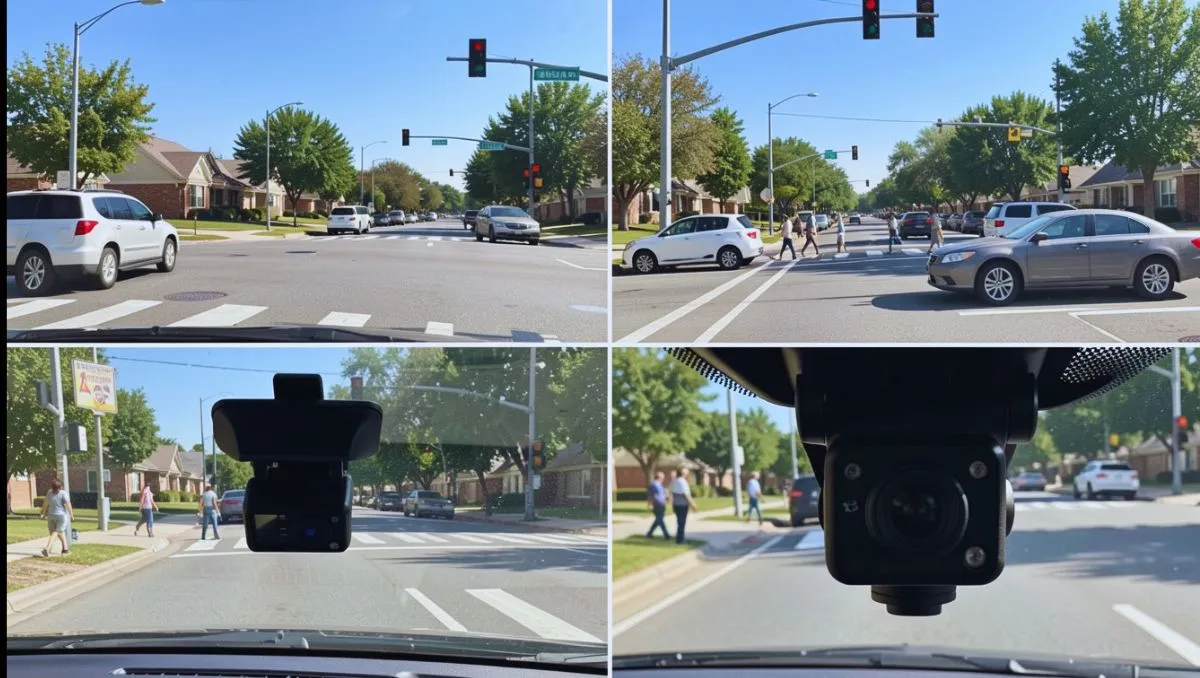
1. Does Dashcam Record when the car is off?
One of the most common questions among the owners of vehicles is: Do dashcams record when the car is not running? The simple answer is yes, there are dashcams that do. Nevertheless, their ability to keep records is dependent on their sources of power, the availability of a parking mode, and their configurations. This will assist you in selecting the most suitable setup to offer maximum protection.
Understanding How Dashcams Normally Work
Most dashcams by default begin recording once the engine is turned on and stop once it is switched off. They depend on the ignition power of the vehicle; hence, recording stops once the car is off. In the absence of additional functionality or alternatives, the answer to the question of whether dashcams record when the car is not running will be no.
Dashcams have become advanced, and most of them record even when the car is parked.
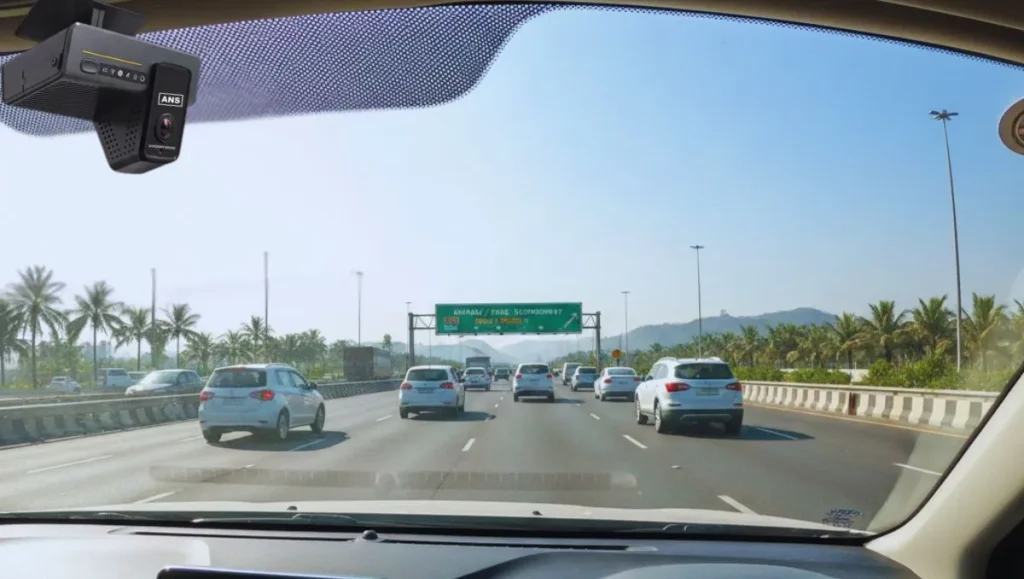
Do Dashcams Record When the Car Is Off in Parking Mode?
Yes. The response will be yes if the dashcam has parking mode. This aspect keeps the dashcam running on the engine off with an alternative source of power.
When a car is in parking mode, the dashcam will usually observe the area and only record when an event occurs, i.e., when something moves around the car or and when it is struck.
Power Sources That Enable Recording When the Car Is Off
The ability to record when parked with dashcams largely relies on the method of power supply:
1. Hardwired to the Car Battery
The dashcam requires a little power that is directly fed to the battery. It is capable of recording several hours or days when the car is off, based on the battery life and cut-off voltage.
2. This is an external dashcam battery pack.
The most efficient way to do long parking surveillance is by usage of battery pack. Under this arrangement, there can be a 12 to 48 hours or more of video recording done by a dashcam without depleting the main vehicle battery.
3. Internal Battery
Cameras that are powered by only an internal battery will only capture a few minutes. When parked they indeed do dashcam record but only in small bits.
How Parking Mode Recording Works
The knowledge of the modes of parking mode recording helps to understand what occurs when the car is off:
- Motion Detection Recording – the dashcam begins recording when it detects that there is movement in the car.
- Impact or G-Sensor Recording– the recording will start when the vehicle is bumped or hit.
- Time -Lapse recordings – the dashcam is constantly recording at a low frame rate to conserve power and storage.
These intelligent features ensure that only the necessary features are recorded, saving on battery life.
How Long Do Dashcams Record When the Car Is Off?
Therefore, Do Dashcams Record every time the car is off? Not usually. Duration varies:
- Motion or impact mode: 24–72 hours
- Time‑lapse mode: 12–24 hours
- Internal only: 5-20 minutes.
Time varies depending on the camera settings, resolution, temperature, and the type of power source used.
Battery Protection and Safety Features
Drivers are concerned about battery drain. The modern dashcams have low-voltage cut-off protection functions to prevent recording when the battery voltage drops to a safe level. Although dashcams capture every time you turn off the car, your car battery is not going to be damaged, and your vehicle will still be able to start.
Why It Matters That Dashcams Record When the Car Is Off
The ability to know whether dashcams are recording when parked is imperative to real-world safety:
Hit-and-run incidents. Evidence of hit-and-runs is crucial, as it helps determine cases where the offense occurred or investigators cannot identify the perpetrator.
- Security against vandalism or theft.
- Proof for insurance claims
- Tranquility in the general parking spaces.
Dashcams, which capture the vehicle when it is not in motion, offer more than driving footage security.
2. Dashcam Recording Time Varies with the source of power.
The power source is the most critical aspect when people ask the question; Do dashcams record when the car is off? A dashcam is only capable of recording the length of the power supply. The kind of supply also has a direct effect on the length of time of record, which is either when the vehicle is moving or when it is parked.
The impact of various sources of power on the real-time and performance of dashcams is explained in detail below.
Why Power Source Matters for Dashcam Recording
In order to answer the question, do dashcams record, you have to understand that the dashcams do not produce power. Videotaping requires sustained power to the sensor, the processor, the memory card and in some cases, GPS or Wi-Fi devices. When power ceases so do recording. This is why the source of power of the dashcam is a major consideration as to whether or not the dashcams capture the activities of the car even when it is not started and the length.
1. Dashcams Powered by the Car’s Ignition
The majority of the simplest dashcams are connected to the cigarette lighter or USB port of a vehicle. These ports normally switch off the power when the ignition is switched off.
In this setup:
- Automatic recording is activated upon switching on the engine.
- When the engine is switched off, the recording ceases.
- There is no video of the car parked.
2. Hardwired Dashcams Using the Car Battery
Hardwiring connects the dashcam directly to the vehicle’s fuse box. This allows the dashcam to draw power even when the engine is off.
With hardwiring:
- Do Dashcams record when the car is off using parking mode
- Recording can last from a few hours to multiple days
- Power usage is controlled by voltage cut-off settings
In this case, dashcams are used when parked, but they have an intelligent feature of switching to a low-power parking mode to save energy.
3. Dashcam Recording with External Battery Packs
External dash areas battery packs are developed to keep the camera running when the car is parked. They pay when you are driving and then leave the payment when the engine is switched off.
An external battery will allow you to expect:
- Dashcams capture up to 12 to 48 hours or more.
- The primary battery of the car is not affected.
- It is capable of operating with multiple camera setups and high resolution.
It is the surest alternative to individuals who require a dashcam to keep recording despite the long intervals when the vehicle is not in motion.
4. Internal Dashcam Batteries
There are some dashcams that contain a small mounted battery. These batteries are not intended to be used for long recordings.
In this situation:
- Are dashcams on when the car is parked? Yes, but only for a short time.
- Average recording is 5- 20 minutes.
- They have primarily been utilized to protect files in case power is lost.
Internal batteries are not able to offer long-term or overnight parking coverage.
Super Capacitor-Based Dashcams
A large portion of newer dashcams were implemented with supercapacitors rather than regular batteries. Super capacitors are hard and non-conductive to heat and contain minimal power.
With super capacitors:
- Do the dashcams film when the car is not on? Usually not.
They simply turn the camera on until it is safe to turn off. - They are not meant to record parking mode except when hard-wired.
These dashcams also require an external power supply to capture the time when the vehicle is parked.
How Recording Duration Changes with Power Source
The source of power will define continuous filming by dashcams:
Delays until ignition: the recording ceases with the switch-off of the car.
- Hard-wired onto the car battery: 6 to 48 hours, depending on settings.
- External battery pack: 12 to 72+ hours.
- Internal battery: just a couple of minutes.
Recording time can be reduced by higher resolution, Wi-Fi usage, and extreme temperatures.
Battery Protection and Smart Power Management
A dashcam that is off-road records to maintain the safety of the battery pack in the car has smart power functionalities that include:
- Low‑voltage cut‑off.
- Automatic sleep mode.
- Event‑based recording.
Such systems ensure the dashcam is only turned on when required and that the vehicle battery does not run out too much.
Why Understanding the Power Source Is Important
Being aware of the influence of power on recording, you can make the right choice:
- will not drain the battery accidentally.
- Ensures good parking security.
- Answers the primary question: Are dashcams on when the car is switched off?
Dashcams remain constant and steady with the proper installation.
3. Parking Mode: The Key Feature
Parking mode is the most important factor when drivers pose this question: Do dashcams record when the car is off? Parking mode allows the camera to continue to track when the engine goes off. It is also necessary for most dashcams to record when you turn off the ignition; they will stop recording.
The technology that provides the answer to such a question as do dashcams record when parked? is called parking mode. The answer to this is yes in most modern systems, as they have a parking mode.
What Is Parking Mode in a Dashcam?
Parking mode is a low-power mode that will automatically activate when the vehicle is turned off. The dashcam is not activated to record continuously, but it goes into an energy-saving mode.
Simply stated, parking mode allows dashcams:
- Be careful when the vehicle is parked.
- Note down only significant things.
- Reduce battery consumption.
Therefore, do dashcams record when the automobile is shut down? Yes, but in a management and effective manner.
How Parking Mode Enables Dashcams to Record When the Car Is Off
Dashcams require electricity to record. Parking mode enables the camera to use: when the engine is off.
A hard-wired connection to a car battery.
- A dash cam battery pack.
Parking mode is activated, after which the dashcam records without overcharging the battery. This intelligent feature is why parked vehicle security should have a parking mode.
Parking Mode Recording types.
In order to really understand the phenomenon of do dashcams record, it is necessary to get a feel of how parking mode works in the real world. Parking mode recording is carried out in three major forms:
1. Motion Detection Recording
The dashcam in this mode is on standby, and it only begins to record once it detects motion near the car.
- It takes a record of individuals or vehicles passing.
- Ideal parking lots are busy.
- It is battery-saving as it records only when necessary.
In this case, dashcams can record movements upon detection.
2. Impact or G‑Sensor Recording
This mode activates to record in case of a shock, vibration, or accident on the dashcam.
- It records hit-and-run cases.
- It captures petty bumps/scratches in the parking lot.
- It maintains vital evidence.
It comes in particularly handy when somebody poses a question: Do dashcams record when someone hits your parked car? The solution is yes, with an impact-based parking mode.
3. Time‑Lapse Parking Mode
Time-lapse mode records continuously at an extremely slow frame rate, like one frame per second.
- It will cover the entire parking period.
- It has less storage and is less power-consuming.
- It works best in long-term parking surveillance.
Does this arrangement have dashcams running while parked? No, but in an energy-saving manner.
How Long Do Dashcams Record in Parking Mode?
The question that many users pose is whether dashcams record throughout the night. With parking mode, they can.
The duration to be recorded will be based on:
- Power source (car battery or external battery).
- Type of parking mode used.
- Camera resolution and settings.
On average:
- Motion/impact mode: 24 to 72 hours.
- Time‑lapse mode: 12 to 24 hours.
This renders parking mode the determinant in the duration of dashcams on the car when it is not in motion.
Battery Protection in Parking Mode
One of the issues is battery drain. The latest dashcams have intelligent safety features that include:
- Low‑voltage cut‑off.
- Auto shut‑down protection.
- Adjustable voltage levels.
These capabilities ensure that dashcams make recordings without draining your car battery.
The importance of Parking Mode to Vehicle Security.
The value of parking mode would be explained by understanding when dashcams record when parked:
- Covers against the hit-and-run accidents.
- Monitoring vandalism/theft.
- Prepares the evidence of insurance claims.
Deters any form of insecurity at the parking spots.
Without the parking mode, the dashcams will only save you when you are on the road and not when the car is in the most vulnerable positions.
Why Parking Mode is Essential for Vehicle Security
Understanding do dashcams record when parked highlights the real value of parking mode:
- Protects against hit-and-run accidents
- Records vandalism or theft attempts
- Provides evidence for insurance claims
- Offers peace of mind in public parking areas
Without parking mode, dashcams only protect you while driving—not when the vehicle is most vulnerable.
Parking Mode vs Normal Recording Mode
Normal driving mode records continuously while the engine is on. Parking mode, however:
- Uses less power
- Records only important events
- Works when the car is off
This clear difference explains why do dashcams record while parked depends entirely on the availability of parking mode.
4. Types of Parking Mode Recording
When vehicle owners ask do dashcams record when the car is off, the most important concept to understand after parking mode itself is how the dashcam records in parking mode. Not all parking mode recordings work the same way. Different dashcams use different recording methods to balance battery usage, storage, and security.
Understanding the types of parking mode recording helps you choose the right dashcam and clearly answers the question: do dashcams record while parked, and how?
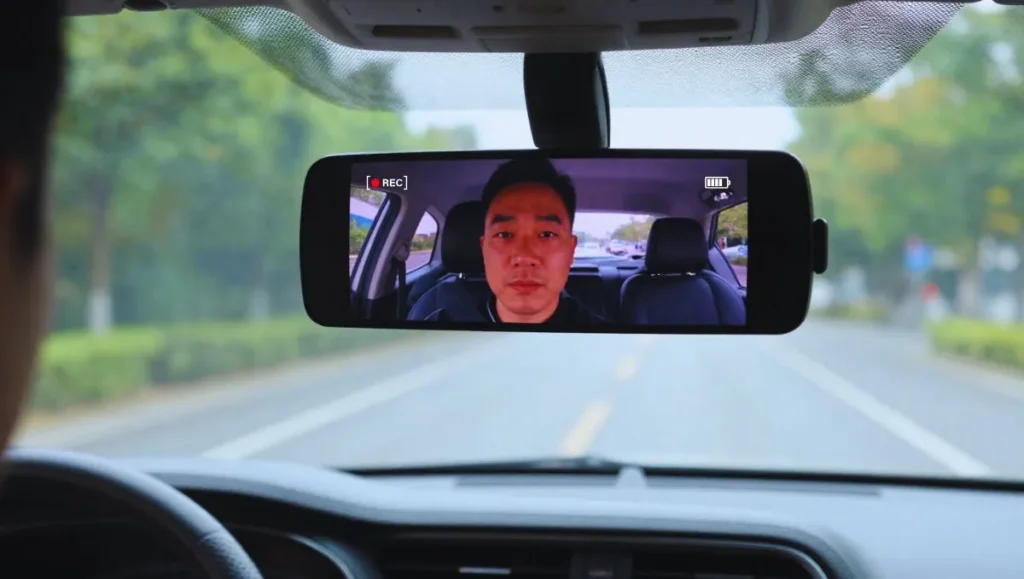
Why Parking Mode Recording Types Matter
Parking mode is designed to protect your vehicle when it is not in use. However, recording continuously while the car is off can quickly drain the battery. That’s why dashcams use smart recording methods.
Each type of parking mode recording determines:
- When the dashcam starts recording
- How long dashcams record
- How much power is consumed
- What kind of incidents are captured
So, do dashcams record all the time when parked? The answer depends on the recording type.
1. Motion Detection Parking Mode
How Motion Detection Recording Works
In motion detection parking mode, the dashcam stays in a low-power standby state when the car is off. The camera or image sensor monitors movement in front of the vehicle.
When motion is detected:
- The dashcam wakes up instantly
- Recording starts automatically
- A short video clip is saved
This confirms that do dashcams record when the car is off, but only when activity is detected.
What Motion Detection Captures
- People walking close to the car
- Vehicles passing nearby
- Suspicious activity near doors or bumpers
This makes it ideal for parking lots, streets, and residential areas.
Pros and Cons of Motion Detection Mode
Pros
- Saves battery power
- Saves storage space
- Records relevant events only
Cons
- May miss incidents outside the camera’s field of view
- Frequent movement can trigger many clips
2. Impact (G-Sensor) Parking Mode
How Impact-Based Recording Works
Impact or G-sensor parking mode uses built-in sensors to detect sudden movement, vibration, or force applied to the vehicle.
When an impact occurs:
- The dashcam immediately records the event
- Footage is automatically locked
- Files are protected from overwriting
Here, do dashcams record if someone hits your parked car? Yes, impact-based parking mode is designed exactly for that.
What Impact Mode Captures
- Hit-and-run accidents
- Parking bumps
- Door dings
- Attempted break-ins
This type of recording focuses on physical contact rather than movement.
Pros and Cons of Impact Mode
Pros
- Excellent for capturing collisions
- Minimal battery usage
- High-value evidence
Cons
- Does not record non-impact events
- May not capture suspicious behavior without contact
3. Time-Lapse Parking Mode
How Time-Lapse Recording Works
In time-lapse parking mode, the dashcam records continuously at a very low frame rate (for example, 1–5 frames per second) instead of full-speed video.
This allows:
- Continuous coverage while parked
- Reduced power consumption
- Efficient use of storage
So, do dashcams record continuously when parked? Yes—with time-lapse mode.
What Time-Lapse Mode Captures
- Full parking duration coverage
- Gradual events like vandalism
- Clear timelines of activity
This mode is ideal for long parking periods.
Pros and Cons of Time-Lapse Mode
Pros
- Continuous monitoring
- Fewer missed events
- Better overall context
Cons
- Consumes more power than motion/impact mode
- Not true real-time video
4. Buffered Parking Mode (Advanced Feature)
How Buffered Recording Works
Buffered parking mode continuously records in the background but only saves footage when an event is triggered.
Typically:
- 5–10 seconds before the event
- 10–30 seconds after the event
This ensures important moments are not missed.
So, do dashcams record before an incident occurs? With buffered parking mode, yes.
Why Buffered Recording Is Important
- Captures what happened before impact or motion
- Provides full context for incidents
- Very useful for insurance and legal claims
How These Recording Types Affect Dashcam Power Usage
Different recording types consume power differently:
- Motion detection: Low power usage
- Impact detection: Very low power usage
- Time-lapse: Medium power usage
- Buffered parking mode: Depends on system design
This directly affects how long dashcams record when the car is off.
Choosing the Right Parking Mode Recording Type
The best parking mode depends on your needs:
- For battery safety → Motion or impact mode
- For maximum security → Time-lapse or buffered mode
- For busy parking areas → Motion + impact combination
Many premium dashcams combine multiple parking modes for better protection.
Why Parking Mode Recording Matters
Understanding these recording types gives a clear answer to do dashcams record while parked:
Yes, dashcams do record when the car is off, but how they record depends on the parking mode type. Each method is designed to balance security, battery life, and storage efficiency.
5. How Long Do Dashcams Record in Parking Mode?
Among the most frequently asked follow-up questions in the wake of learning about the existence of parking mode, one can distinguish: do dashcams record long in parking mode? Yes–but the time allowed to record is not determined. It relies on a number of major factors that will define the duration of dashcams when relied on when the vehicle is not in motion.
To be more specific about the duration of the dashes when the dashcams are turned on in the parking mode, we will break it down.
The Short Answer: Do Dashcams Record for Long in Parking Mode?
Yes, dashcams do record in parking mode, although this may be a few minutes to days. The real time is calculated by power supply, method of recording, settings and environmental conditions. Parking mode is one that is aimed at maintaining balance between security and the protection of the batteries, rather than unlimited recording.
Key Factors That Determine How Long Dashcams Record in Parking Mode
The duration of dashcams when the car is off depends on a number of factors. These are to understand before one sets unrealistic expectations.
1. Power Source (Most Important Factor)
The biggest aspect that can make the dashcams record hours and days is the source of power.
Hardwired to Car Battery
Hardwired, the dashcam accesses the vehicle battery yet it stays powered even when the engine is off.
- Common used recording time: 6-48 hours.
- Battery size and voltage cut -off dependent.
- Parking mode cuts down the amount of power.
In this case, are dashcams on overnight? Yes, in most cases.
Additional Dashcam Battery Pack.
External Dashcam Battery Pack
External battery packs are built specifically for parking mode.
- Average recording period: 12-72 and more hours.
- Does not drain on the main battery of the car.
- 4K and dual-camera compatible.
In this arrangement, the longest recording is in parking mode, as dashcams take.
Internal Dashcam Battery
Internal batteries are small and cannot be used long.
- Recording time: 5 to 20 minutes
- predominantly utilized in the safe shutdown.
- Overnight parking not appropriate.
Here, are dashcams capable of parking mode? Yes—only briefly.
2. Type of Parking Mode Recording
The type of parking mode used strongly determines how long dashcams record.
Motion Detection Mode
- Records on detecting movement.
- Very low power usage
- Can last 24–72 hours
This mode is a response to whether dashcams capture when something occurs. Yes—only when needed.
Impact (G-Sensor) Mode
- Documents on finding the car struck or shaken.
- Uses minimal power
- Can last several days
This is ideal if you only want footage of collisions or bumps.
Time-Lapse Parking Mode
- Records continuously at low frame rate
- Uses more power than motion/impact mode
- Typical duration: 12–24 hours
So, do dashcams record continuously in parking mode? Yes, but at reduced speed.
Buffered Parking Mode
- Continuously buffers video in the background
- Saves footage before and after an event
- Power usage depends on system design
This ensures dashcams record critical moments, even before an incident occurs.
3. Video Resolution and Camera Setup
Higher video quality consumes more power.
- 4K recording drains power faster than Full HD
- Dual-channel (front + rear) uses more energy
- Wi-Fi and GPS features increase power usage
If you’re asking do dashcams record longer at lower resolution? The answer is yes.
4. Battery Protection and Voltage Cut-Off Settings
The majority of current dashcams have low-voltage cut-off. This quality defines the time of termination of recording to safeguard the battery of the car.
Common cut‑off levels:
- 12.4 V to reduced recording, optimum battery safety.
- 12.0 V → balanced recording time
- 11.8 V – longer recording, increase battery use.
So, do dashcams record until the battery dies? No. They stop automatically to protect your vehicle.
5. Environmental Conditions (Temperature & Climate)
Weather is also part of the duration of recording by the dashcams.
- Cold temperatures reduce battery efficiency
- Extreme heat increases power consumption
- Older batteries drain faster
This can shorten parking mode recording time even with the same settings.
Realistic Parking Mode Recording Time Summary
A real-life calculation of the duration of recording of dashcams in parking mode is as follows:
- Minutes: Internal battery only.
- Hardwired + motion/impact mode: 24-72 hours.
- Hardwired + time‑lapse: 12–24 hours
- External battery pack: As many as 3 days or more
These ranges are a definite yes to the question of whether or not dashcams capture long distances to secure parked cars. Yes–when properly set up.
Why Recording Duration Matters
Being aware of the max recording time of dashcams you:
- Select the appropriate dashcam and accessories.
- Avoid battery drain issues
- Have parking incidences recorded.
- Maximize vehicle security
Parking mode does not deal with unlimited recording it is about intelligent, event-based protection.
6. Battery Protection and Auto Cut Off.
Whenever drivers query on whether dashcams record when the car is off, the issue to be brought up next is battery safety. Parking mode enables a dashcam to recapture even when the engine is switched off, however, battery protection and auto-cut-off functionalities prevent the car to start when it cannot.
This is necessary to comprehend these safety features to address the question, do dashcams record safely in parking mode?
Why Battery Protection Is Critical for Dashcam Recording
Dashcams must have constant power and normally it is fed through the car battery when the engine is off. With no protection, the battery may be drained out by constant power consumption.
It is the reason why the smart battery protection system is integrated into the modern dashcams. Such systems ensure that the dash camera records only when it is safe so as to avoid battery damage and inconvenience.
What is Auto Cut-Off in Dashcams?
Auto cut-off is a safety measure of the dashcam that shuts off and commences the recording process once the voltage of car battery falls under the preset mark.
In simple terms:
- The parking mode is recorded by the dashcam.
- The system checks the voltage of batteries.
- The process of recording has ended before the battery is too weak.
So, do dashcams record until the battery dies? No. Auto cut-off prevents that.
How Auto Cut-Off Works Step by Step
To gain a clearer insight into the meaning behind do dashcams record safely, the following is the way auto cut-offs operate:
- The dashcam enters parking mode after ignition is off
- It draws minimal power from the battery
- Voltage is continuously monitored
- When voltage reaches a safe minimum level, recording stops
- The dashcam shuts down automatically
This process ensures your vehicle battery remains healthy.
Common Voltage Cut-Off Levels Explained
Most dashcams or hardwire kits allow users to choose a cut-off voltage. This setting directly affects how long dashcams record in parking mode.
Typical voltage options include:
- 12.4V – Maximum battery protection, shorter recording time
- 12.2V – Balanced safety and recording duration
- 12.0V – Longer recording time, moderate protection
- 11.8V – Maximum recording time, higher battery usage
Choosing the right level helps balance the question: do dashcams record long enough without risking the battery?
Time-Based Auto Cut-Off (Alternative Method)
There are dashcams in which protection is time-based and not voltage-based.
In this system:
- Dashcam records for a fixed time (e.g., 6, 12, or 24 hours)
- Recording stops automatically after that period
- Battery condition is indirectly protected
This method also ensures dashcams record without excessive battery drain, though voltage-based systems are more precise.
Battery Protection in External Dashcam Battery Packs
External battery packs add another layer of safety.
With these systems:
- Dashcams record using the external battery
- The car’s main battery remains untouched
- Built-in cut-off prevents overcharging and deep discharge
Here, do dashcams record without affecting the car battery? Yes, this is the safest setup for long parking periods.
Why Low-Voltage Protection Matters in Real Life
Battery protection is not just a technical feature—it affects daily usability.
Without proper protection:
- The car may not start in the morning
- Battery lifespan may shorten
- Electrical systems may be stressed
With auto cut‑off:
- Dashcams record responsibly
- Your car starts normally every time
- Battery health is preserved
This directly answers the concern behind do dashcams record safely when parked?
How Battery Protection Affects Recording Duration
The duration of dashcams in parking mode can be directly controlled under battery protection:
- Higher cut-off voltage = shorter recording, better safety
- Lower cut-off voltage = longer recording, more battery usage
This knowledge assists the users to have realistic expectations.
Best Practices for Safe Parking Mode Recording
To ensure do dashcams record safely and efficiently, follow these tips:
- Use a hardwire kit with voltage protection
- Choose a balanced cut-off level (12.2V or 12.0V)
- Consider an external battery pack for long parking
- Avoid unnecessary features like Wi-Fi when parked
7. Do Dashcams Record Continuously When Parked?
One of the most frequent and significant questions is as follows: do dashcams record when parked? The most common misconception is that when the parking mode is turned on, the dashcam will record continuously even when one is not driving. The truth of the matter is that it is not always.
Why Continuous Recording Is Not Ideal When Parked
To understand do dashcams record continuously, it’s important to look at power consumption.
When the car is off:
- The engine is not charging the battery
- All power comes from the car battery or an external battery pack
- Continuous recording consumes high power
If a dashcam recorded continuously at full quality, the battery could drain in just a few hours. This is why continuous parking recording is rarely used.
How Dashcams Actually Record When Parked
Nonstop recording is replaced with parking mode on dashcams. The question that is particularly aimed at being answered by the parking mode is: do dashcams record when car is off, but not drain the battery? Dashcams operate in a smarter way in parking mode; this is because the camera will record until it finishes its recording and still captures important events.
Recording Methods Used Instead of Continuous Recording
1. Motion Detection Recording
In motion detection mode:
- The dashcam stays in standby
- Recording starts only when movement is detected
- Short clips are saved automatically
This method confirms do dashcams record when something happens near the car? Yes—but not continuously.
2. Impact (G-Sensor) Recording
With impact detection:
- Recording starts when the car is hit or shaken
- Footage is locked to prevent deletion
- Power usage is extremely low
So, do dashcams record if someone hits your parked car? Yes, even without continuous recording.
3. Time-Lapse Parking Mode (Closest to Continuous)
Time-lapse mode is the closest option to continuous recording.
- Records continuously at low frame rate
- Uses less power and storage
- Provides full parking coverage
In this case, do dashcams record continuously when parked? Yes—but not at normal video speed.
4. Buffered Parking Mode
Buffered parking mode records in the background and saves footage when an event occurs.
- Saves video before and after the event
- Ensures important moments aren’t missed
- Power usage is optimized
This method further explains how dashcams record without continuous recording.
When Do Dashcams Actually Record Continuously When Parked?
There are limited situations where dashcams record continuously when parked:
- When connected to an external dashcam battery pack
- When plugged into a constant power source
- When battery drain is not a concern
Even then, most users prefer smart parking modes to protect the battery.
How Battery Protection Affects Continuous Recording
Modern dashcams include auto cut-off features.
This means:
- Even if continuous recording is enabled
- Recording stops automatically at low voltage
- The car battery remains protected
So, do dashcams record nonstop until the battery dies? No.
Pros and Cons of Continuous Parking Recording
Pros
- No missed events
- Full-time surveillance
Cons
- High battery drain
- Large storage usage
- Shorter recording duration
This is why continuous recording is rarely recommended for parked vehicles.
Best Practice: Smart Recording Instead of Continuous
For most users, the best setup is:
- Motion + impact detection for battery safety
- Time-lapse for wider coverage
- Buffered recording for event context
This combination ensures dashcams record effectively, not wastefully.
8. Factors That Affect Recording Duration
When people ask do dashcams record when the car is off, they often expect a simple time-based answer. In reality, recording duration varies widely. Two vehicles with the same dashcam can have completely different parking-mode recording times.
To clearly explain do dashcams record and for how long, it’s important to understand the key factors that directly affect recording duration, especially those related to battery safety—because if these are ignored, the car may not start in the morning.
Why Recording Duration Is Not Fixed
Dashcams are designed to record as long as power, settings, and safety conditions allow. Parking mode does not mean unlimited recording. Instead, dashcams balance:
- Security
- Battery protection
- Power consumption
- Storage efficiency
This balance is why recording duration changes from one setup to another.
1. Power Source (The Biggest Factor)
The most important factor in answering do dashcams record for long periods is the power source.
Car Battery (Hardwired Setup)
When hardwired:
- Dashcams draw power from the vehicle battery
- Recording time depends on battery size and health
- Typical duration: 6–48 hours
If voltage cut-off is set too low, the car may not start in the morning. This is why battery protection is critical.
External Dashcam Battery Pack
With an external battery:
- Dashcams record much longer (12–72+ hours)
- No load on the car battery
- Safest option for long parking periods
This setup answers do dashcams record without risking the car battery? Yes.
Internal Dashcam Battery
Internal batteries:
- Record for only minutes
- Not designed for parking surveillance
- Mainly used for safe file saving
Here, do dashcams record when parked? Technically yes, but not for meaningful durations.
2. Type of Parking Mode Used
The parking mode method directly affects how long dashcams record.
Motion Detection Mode
- Records only when movement is detected
- Very low power usage
- Can last 24–72 hours
Ideal for extending recording time safely.
Impact (G-Sensor) Mode
- Records only when the vehicle is hit or shaken
- Minimal power usage
- Can last several days
Best for preventing battery drain while still capturing critical events.
Time-Lapse Mode
- Records continuously at low frame rate
- Uses more power than motion/impact mode
- Typical duration: 12–24 hours
This mode offers wider coverage but shorter duration.
3. Battery Health and Age
Even the best dashcam cannot overcome a weak battery.
- Older batteries drain faster
- Reduced capacity shortens recording time
- Cold weather further reduces battery efficiency
If the battery is weak, dashcams record for less time, and improper settings may result in the car not starting in the morning.
4. Voltage Cut-Off Settings
Voltage cut-off directly controls recording duration.
- Higher cut-off (12.4V): Shorter recording, maximum safety
- Medium cut-off (12.2V–12.0V): Balanced
- Lower cut-off (11.8V): Longer recording, higher risk
Setting cut-off too low increases recording time but also increases the risk that the car may not start in the morning.
5. Video Resolution and Camera Count
Higher quality means higher power usage.
- 4K drains more power than Full HD
- Dual-channel (front + rear) uses more power
- Interior cameras further reduce duration
If you reduce resolution, dashcams record longer in parking mode.
6. Additional Features Enabled
Some features silently consume power:
- Wi-Fi
- Cloud connectivity
- GPS logging
- Live-view functions
Disabling unnecessary features helps extend how long dashcams record.
7. Environmental Conditions
Temperature has a major impact:
- Cold weather reduces battery output
- Extreme heat increases power draw
- Parking outdoors shortens duration compared to covered parking
These conditions directly affect whether dashcams record overnight successfully.
8. Frequency of Events Around the Vehicle
In busy areas:
- Frequent motion triggers increase power use
- More clips are recorded
- Battery drains faster
In quiet areas:
- Fewer triggers
- Longer recording duration
So, do dashcams record longer in quiet locations? Yes.
Why These Factors Matter in Real Life
Ignoring these factors can lead to common problems:
- Shorter-than-expected parking recordings
- Missed incidents
- Battery drain
- Car not starting in the morning
Understanding them helps you configure parking mode safely and effectively.
9. Benefits of Dashcam Recording When the Car Is Off
Many drivers first ask do dashcams record when the car is off, and once they learn that modern dashcams can, the next question is why it actually matters. Recording while parked is not just a bonus feature—it provides real, everyday benefits that protect your vehicle, your finances, and your peace of mind.
To fully understand do dashcams record and why that recording is valuable, let’s explore the key benefits in detail.
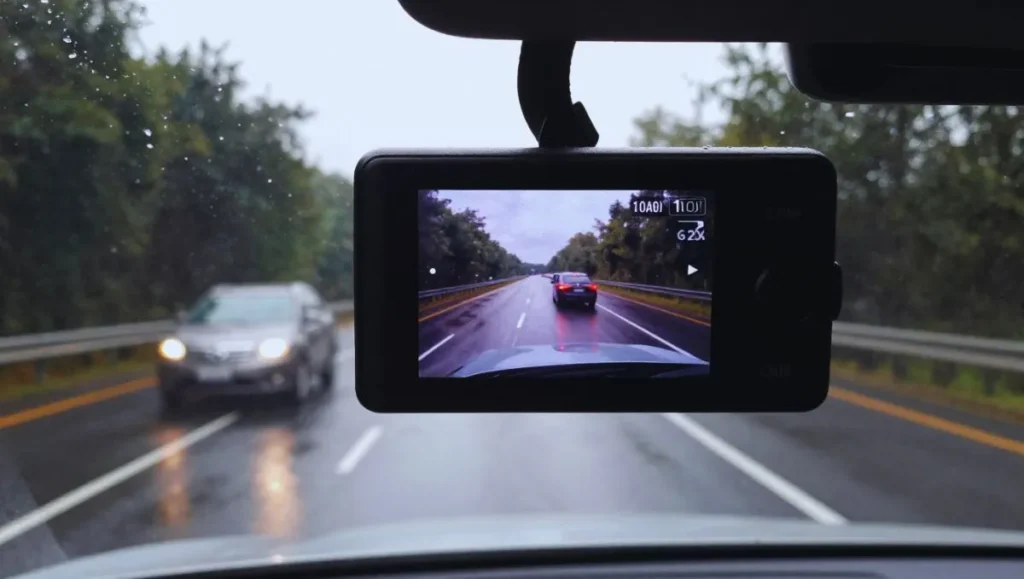
Why Parked-Car Recording Is So Important
Most vehicle-related incidents happen when the car is parked, not while driving. Parking lots, streets, offices, malls, and residential areas are common places for:
- Hit-and-run accidents
- Scratches and dents
- Vandalism
- Theft attempts
Without a recording system, these incidents often go unresolved. This is where the real benefit of answering do dashcams record when the car is off comes in.
1. Protection Against Hit-and-Run Incidents
One of the biggest benefits of dashcam recording while parked is protection against hit-and-run accidents.
- Dashcams capture footage when another vehicle hits yours
- License plates and vehicle movement may be recorded
- Evidence is available even if no witnesses are present
So, do dashcams record if someone hits your parked car? Yes—and this footage can be crucial for insurance claims and legal action.
2. Evidence for Insurance Claims
Insurance companies rely heavily on proof. Dashcam recordings provide:
- Clear visual evidence
- Time-stamped footage
- Reduced dispute risks
When drivers ask do dashcams record events clearly while parked, the benefit is straightforward—faster and smoother insurance settlements.
3. Protection From Vandalism and Mischief
Parked vehicles are often targets for vandalism, including:
- Key scratches
- Broken mirrors
- Window damage
With parking mode enabled, dashcams record suspicious activity, helping identify offenders and discouraging repeat incidents.
4. Theft and Break-In Monitoring
Dashcams that record when the car is off can capture:
- Attempted break-ins
- Suspicious movement near doors or windows
- Individuals tampering with the vehicle
This answers another common concern: do dashcams record attempted thefts? Yes, parking mode helps document such incidents.
5. Peace of Mind in Public Parking Areas
Knowing that dashcams record even when the car is off gives drivers confidence when parking:
- In crowded markets
- At offices
- On streets overnight
- In unfamiliar locations
This peace of mind is one of the most valued benefits of parking mode recording.
6. Evidence in Residential and Society Parking
Many incidents happen near homes:
- Neighbors accidentally damaging vehicles
- Unauthorized parking incidents
- Repeated damage with no explanation
Dashcam footage helps identify patterns and provides proof without confrontation.
7. Support for Legal and Police Reports
Dashcam recordings provide:
- Visual proof of incidents
- Accurate event timelines
- Reliable evidence for police complaints
So, do dashcams record information useful for legal purposes? Absolutely—especially when incidents happen while parked.
8. Protection for Commercial and Fleet Vehicles
For taxis, delivery vans, and company vehicles:
- Dashcams record misuse or damage during off-hours
- Help track unauthorized activity
- Reduce false damage claims
Fleet owners often ask do dashcams record when vehicles are not in use? Parking mode makes this possible and highly beneficial.
9. Deterrence Against Future Incidents
A visible dashcam acts as a deterrent:
- Potential vandals are less likely to act
- Thieves avoid monitored vehicles
- Repeat offenders are discouraged
Just knowing that dashcams record when parked can prevent incidents altogether.
10. Cost Savings Over Time
Recording while parked can save money by:
- Reducing repair costs
- Avoiding false insurance claims
- Preventing repeated damage
The long-term financial benefit reinforces why understanding do dashcams record is so important.
Why Parking Mode Recording Is a Smart Investment
Many drivers think dashcams are only useful while driving. In reality, a large percentage of incidents occur when the vehicle is unattended.
Parking mode transforms dashcams into a 24/7 vehicle security system, not just a driving recorder.
10. Final Answer: Do Dashcams Record When the Car Is Off?
After understanding power sources, parking mode, recording types, battery protection, and benefits, we can now clearly answer the most important question: do dashcams record when the car is off?
The final answer is yes—but only under specific conditions. Dashcams are capable of recording when the engine is turned off, but their ability to do so depends entirely on features, configuration, and power management.
The Clear Answer: Do Dashcams Record When the Car Is Off?
Yes, do dashcams record when the car is off? They can, but not all dashcams will. Recording while parked is possible only when:
- The dashcam supports parking mode
- A suitable power source is available
- Battery protection settings are properly configured
Without these elements, dashcams stop recording as soon as the ignition is turned off.
How Dashcams Record When the Car Is Off
When a compatible dashcam enters parking mode, it switches from normal driving recording to a low-power surveillance state. Instead of recording continuously, the system intelligently monitors the surroundings and records only when needed.
This approach ensures dashcams record important events without draining the vehicle’s battery.
What Makes the Difference Between Recording and Not Recording
To fully understand do dashcams record, these factors are critical:
1. Parking Mode Availability
Dashcams without parking mode do not record when the car is off. Parking mode is the core feature that enables off-engine recording.
2. Power Source
- Ignition-only power → No recording
- Hardwired to battery → Recording possible
- External battery pack → Longest recording duration
The power setup determines how long dashcams record while parked.
How Long Do Dashcams Record When the Car Is Off?
There is no single time limit. Depending on setup:
- Internal battery only: A few minutes
- Hardwired + motion/impact mode: 24–72 hours
- Hardwired + time-lapse mode: 12–24 hours
- External battery pack: Several days
So, do dashcams record overnight or for days? Yes—with the right configuration.
Do Dashcams Record Continuously When Parked?
In most cases, no. Continuous full-resolution recording would drain the battery quickly. Instead, dashcams use:
- Motion detection
- Impact (G-sensor) detection
- Time-lapse recording
- Buffered recording
These methods ensure dashcams record smartly, not wastefully.
Battery Protection Makes Parking Recording Safe
A major concern is battery drain. Modern dashcams include:
- Low-voltage cut-off
- Auto shut-down features
- Time-based safety limits
Because of this, dashcams record only until it is safe, ensuring your car still starts normally.
Why Dashcam Recording When the Car Is Off Matters
Understanding do dashcams record is important because many incidents occur while the car is unattended:
- Hit-and-run accidents
- Vandalism
- Theft attempts
- Parking lot damage
Dashcams that record while parked provide evidence, protection, and peace of mind.
The Final Verdict
So, do dashcams record when the car is off?
Yes—but only if the dashcam is designed and configured for it. With parking mode, proper power supply, and battery protection, dashcams can monitor your vehicle for hours or even days after the engine is turned off. Without these features, recording stops immediately.