
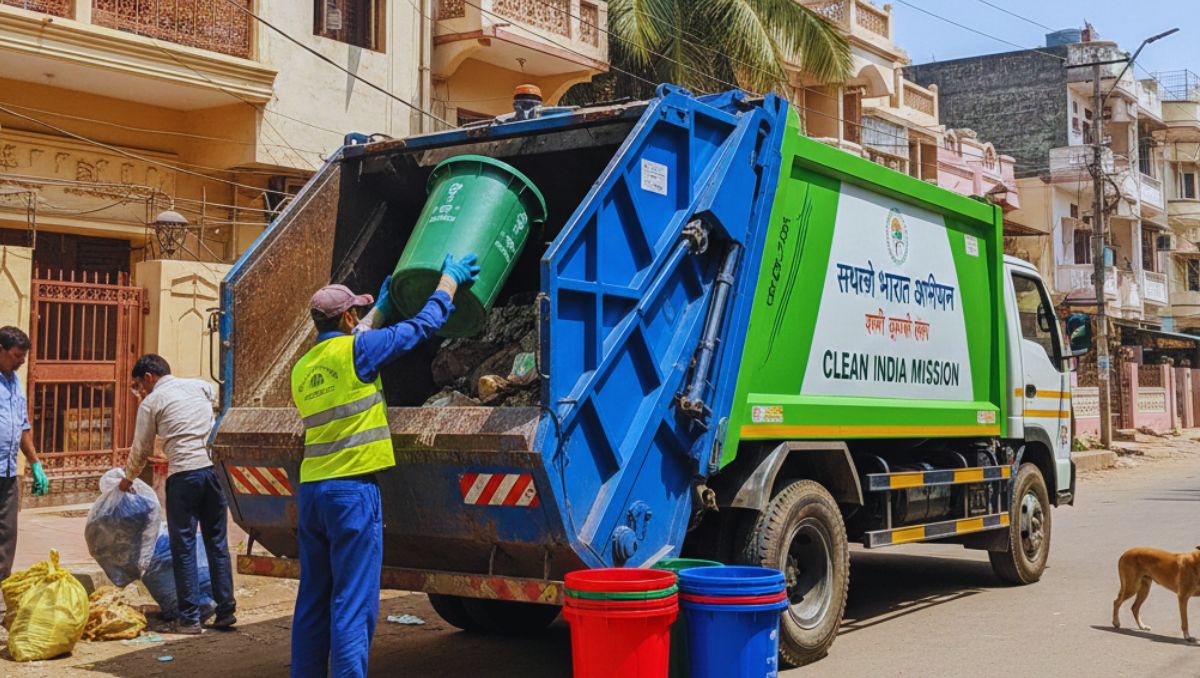
Introduction: How is IoT Used in Smart Waste Management?
As cities expand and populations grow, the volume of trash we produce each day is increasing as well. Overstuffed bins, late garbage collection, foul smells and littered streets are challenges many communities grapple with. And there’s more than grime behind every mountain of unmanaged waste — there’s a public health, environmental and quality-of-life risk. This is why iot used in smart waste management is greater than a technology demonstration — it’s an impactful solution.
Every day containers, such as bins, trucks and tracking devices are stored with sensors and connected to the internet so they can share information. This means that iot used in smart waste management is basically a network of intelligible systems designed to gather data on real-time monitoring, waste levels, the route usage of collection vehicles etc. Instead of depending on fixed schedules, waste collection is intelligent, reactive and environmentally friendly.
Imagine a city in which garbage bins don’t overflow, because they send alerts when they’re full. Imagine waste collection trucks that take the most efficient route from point A to point B, minimizing traffic and pollution. Consider a system that monitors recycling patterns and helps local governments make informed choices for cleaner communities. This is the real time benefit of iot used in smart waste management.
At the core of smart waste management is people — many of whom take their responsibilities seriously. It’s about healthier streets where children are free to play and less harmful emissions that make our lungs burn, cleaner communities we all can feel proud of. IoT allows municipalities to utilize their resources prudently and provide citizens with a cleaner, safer environment.
In our fast-moving world, IoT used in smart waste management is much more than modernization — it is responsibility. This is a shift to smarter cities, sustainable lifestyles and a future in which technology partners with humanity to safeguard our planet.
1. Smart Bins with Fill-Level Sensors
In everyday life, we walk past garbage bins and don’t think too much about it — until they spill over. The foul odour, scattered waste and unsanitized environment reminds us the significance of an effective waste management system. And this is where iot used in smart waste management comes into play, beginning with smart bins fitted with fill-level sensors.
What Are Smart Bins?
Smart bins are high-tech waste receptacles equipped with ultrasonic or infrared sensors that continuously monitor the fullness level of the bin. In this approach, each dustbin is equipped with sensors that monitor the level of waste within and relays this information to a central monitoring system via internet.
Rather than manual checks or fixed pickup times, waste collection teams get automatic alerts when a bin’s at capacity. This is one of those simple and smart systems that showcases iot used in smart waste management to make things cleaner and much more efficient.
How Fill-Level Sensors Work
Fill-level sensors are located inside the lid or upper part of the bin. They measure the distance between the sensor and a waste pile continually. The distance is diminishing as the bin approaches fill. The waste management team will receive alerts when a certain level of waste has been reached.
This real-time communication ensures:
- No overflowing bins
- Timely garbage collection
- Cleaner public spaces
It converts a regular van into a smart device that actively participates in a healthier ecosystem.

The Community Importance of Smart Bins
Overflowing rubbish is not only a nuisance — it can invite vermin, disseminate bacteria and foster an unhealthy environment. Introducing smart bins in cities, significantly reduces these risks.
Using iot in smart waste management, local governments can:
- Prevent unhygienic conditions
- Improve public health
- Improve streets and neighborhoods aesthetic appeal
This means a safer environment and improved quality of life for families, children and local businesses.
Cost and Resource Efficiency
Smart bins allow lower number of waste collection trips to be made. Conventional systems routinely collect half-full bins, wasting energy and labor. Trucks are only dispatched when necessary through IoT-enabled monitoring.
This leads to:
- Lower fuel consumption
- Reduced carbon emissions
- Optimized workforce management
In the long run, this saves operating costs to a great extent and helps environmental sustainability too.
Smart Bins: The Future of Urban Planning
With the growth of cities, waste management will be progressively harder. Being the building blocks of smart cities and modern waste systems, smart bins. That way, they give authorities useful insights on waste generation trends and needs to help improve infrastructure systems and policies.
This is the beauty of iot used in smart waste management, it can eventually play a major role across all the different bin placed inside an entire city when combined by simple sensors.
A Cleaner Future Starts at the Smarter Bin
Smart bin technology is, at its simplest, not so much about innovation as care. It is a commitment to cleaner streets, healthier neighborhoods and a greener planet. Where technology listens to the needs of our environment and responds with intelligence, everyone wins.
Placing fill-level sensors prove that smart bins are not just containers but also silent guardians of urban hygiene; an iot used in sreart waste management is creating a smarter and responsible driving future.
2. Real-Time Monitoring and Alerts
Picture wandering through your neighborhood without ever sighting an overflowing garbage bin. No unpleasant smells. Not a loaf of bread found on a road. So only clean streets and a healthier environment. This is how iot used in smart waste management makes a difference particularly which uses real-time monitoring and alert systems.
Why Is Real-Time Monitoring Important in Waste Management?
At its core, real-time monitoring is the always-on connection between waste bins and collection systems through sensors and the internet. These clever devices monitor fill levels, temperature, movement and in some cases even gas emissions within the bin.
As soon as a bin is full on predefined level, an alert message is automatically sent to waste management team. One of the best practices showing how iot used in smart waste management helps improve efficiency and public hygiene is this instantaneous communication.
The Role of Alert Systems
Conventional waste collection operates on predetermind schedules. At one end, trucks might stop at half-empty bins and call it a day, or come too late when the bins are already overflowing. This results in wasting fuel, higher costs and unhealthy environments.
With IoT-based real-time alerts:
- Instant notifications for collection teams
- Bins are picked up just in time
- Overflow situations are prevented
This intelligent response system keeps streets clean and communities happy.
Safeguarding Public Health With Immediate Action
Piles of garbage can draw insects, rodents and dangerous bacteria. When it’s hot, waste breaks down more quickly, leading to stronger smells and greater potential health hazards.
Real-time alerts enable authorities to respond in real time, which decreases:
- The spread of disease
- Air pollution from decomposing trash
- Environmental contamination
To put it simply, iot used in smart waste management helps keep not just some cities safe, it keeps its citizens safe as well.
Smarter Resource Management
Real-time monitoring also optimizes the usage of manpower and vehicles. Municipalities can prioritize what is addressed rather than sending trucks everywhere.
This results in:
- Reduced fuel consumption
- Lower carbon emissions
- Better use of workforce
- Significant cost savings
It sets up a system in which technology helps sustainability.
Transparency and Accountability
But the transparency is another powerful benefit of real-time monitoring.” Authorities can see when a bin was filled, when an alert went off and how quickly it was serviced.
This data-driven approach:
- Improves service quality
- Builds trust with citizens
- Promotes transparency in waste operations
So the true power of iot for smart waste management will rest in its conversion of data into instant action.
Toward a More Intelligent City
Real time monitoring and alerts are not merely technical facilities — they are the very lifeblood of smart urban management. As congestion grows in metropolises, staying clean and alert has become increasingly important — which is where smart systems come into play.
By linking waste bins to digital networks, IoT converts the old-fashioned regime of garbage collection into a smart ecosystem that runs behind the scenes for everyone’s benefit.
Today Is the Beginning of a Cleaner Tomorrow
Care — for the environment, public health and future generations — is at the center of real-time monitoring. Communities are safer and more organized when waste isn’t dealt with reactively, as is often the case.
This is the real worth of using iot in smart waste management — technology compassionately paving the way for cleaner, better and greener cities.
3. Optimized Collection Routes
Waste collection trucks cover thousands of kilometers every day on the roads of cities. In conventional systems, these trucks have a set route and will stop at every bin, regardless of whether it is full. This is common in lead to wasted fuel, congestion on the road or operational costs. Now this is where the whole process gets transformed by iot used in smart waste management with optimized collection routes.
What are Adaptive Collection Routes?
For optimized collection routes, real-time data from smart bins and GPS-enabled vehicles are utilized to find the most efficient path for collecting waste. Rather than adhering to antiquated schedules, it determines which bins really do need emptying and computes the shortest, fastest route.
As one of the most effective ways iot used in smart waste management enhance urban efficiency, this intelligent routing system showcases how integrated technology can reduce operational overhead.
Internet of Things — The Breeding Ground Of Route Optimization
Smart bins provide live updates such as their fill level. This data is collated in a central dashboard and analyzed by advanced software. With GPS tracking and route planning algorithms, the system:
- Recognizes full and near-full bins
- Maps their exact locations
- Generates the most fuel-efficient route
- When possible avoids traffic-heavy areas
The outcome is a more intelligent, speedier and greener waste collection system.
Lowering Fuel Use and Emissions
Fuel consumption reduces drastically when trucks only attend to bins that need attention. Fewer unnecessary stops mean:
- Reduced consumption of diesel or petrol
- Reduced carbon emissions
- Less damage to vehicles
By optimizing routing, iot used in smart waste management directly helps create greener cities and combat climate change.
Reducing Time and Operating Expenses
Time is the currency for every municipal leader. Optimized routes help waste collection teams to perform their tasks in lesser time and a better way.
This leads to:
- Reduced working hours
- Lower labor costs
- Increased productivity
- Better fleet management
Over time, cities stand to save millions of dollars from their budgets while better serving the taxpayer.
Urban Traffic Flow Optimization
This truck movement incurs unnecessary traffic in already heavy areas, adding to urban congestion. Efficient routing minimizes transit distance, particularly during rush hours.
This means:
- Smoother traffic flow
- Less noise pollution
- Improved urban mobility
By iot used in smart waste management, even traffic circumstances become better indirectly.
Enhancing Service Reliability
“The real-time data around route optimization makes waste collection so much more reliable. Bins are emptied before overflowing and service delays kept to a minimum.
Citizens experience:
- Cleaner surroundings
- Fewer complaints
- Enhanced satisfaction with municipal services
This creates trust between communities and local authorities.
Data-Driven Future Planning
Historical data is also collected by optimized routing systems. This will allow them to understand how waste generation happens in various parts and reorganize routes by the future.
Such constant upgradation makes sure that iot in smart waste management keeps pace with cities expanding requirements.
A More Intelligent Approach to Cleaner Cities
Optimized collection routes may be about efficiency, but at their core they’re also about responsibility. Every kilometer saved reduces pollution. Every optimized stop conserves energy. All well–informed decisions are protective of our environment.
IoT in smart waste management finds a way to mix technology with sustainability by thoughtfully designing waste collection routes. It keeps cities clean, orderly and environmentally conscious — today and in the generations ahead.
4. Reduced Operational Costs
Garbage disposal in expanding cities isn’t just about sanitation — it’s also about expense. Collections are a significant expenditure for municipalities, consuming a major portion of budgets in fuel, manpower and day-to-day vehicle operations. When systems become inefficient, costs ramp up rapidly. This is where iot used in smart waste management comes to play as a game-changing solution which reduces the operational cost be ameliorating the service quality.
The Economic Problem of Conventional Waste Systems
In conventional waste management, trucks operate on rigid schedules and routes. They sometimes pick up bins that are only half full or go back to places needlessly. This leads to:
- Excess fuel consumption
- Higher labor costs
- Wear and tear of the vehicle better
- Unnecessary overtime expenses
These inefficiencies put strain on municipal budgets and undermine total productivity over time.
How IoT Helps Cut Costs
For example, in iot used in smart waste management smart bins with sensors transfer their fill levels as real-time data. And collection teams only visit bins that legitimately need emptying. It’s a little update but powerful enough: no more unnecessary trips.
Through IoT-based systems, municipalities could:
- Reduce daily fuel usage
- Minimize truck deployment
- Lower maintenance costs
- Optimize staff allocation
The outcome is a slimmer, more nimble network.
Reduced Emissions and Lower Fuel Costs
Fuel is a substantial cost in the waste business. When trucks can follow optimized routes and avoid unnecessary stops, fuel consumption plummets.
This lowers both operating costs and homes’ carbon footprint. By doing so, iot used in smart waste management are financially sustainable and environmentally responsible.
Better Workforce Management
IoT systems show an accurate need for waste collection. This allows agencies to better schedule shifts and deploy personnel. Teams can target locations that actually need their expertise rather than spilling resources across the board.
This leads to:
- Improved productivity
- Reduced overtime payments
- Greater satisfaction in the job of workers
Everyone in the system wins when employees work smarter, not harder.
Preventing Emergency Costs
Overfull bins can trigger emergency cleanups, community complaints and added service calls. Such unscheduled surgeries drive up costs and stretch resources.
Issues are identified and resolved before they become problems with real-time monitoring & alerts. Preventive measures will always be cheaper than saving the situation in an emergency — this is one of the great uses of iot used in smart waste management.
Long-Term Financial Sustainability
In addition to saving every day, IoT systems provide data that can be useful for longer-term planning. It enables authorities to track waste generation over time, so they can adapt infrastructure. Investing smartly means spending much less going forward.
Over the long term, cities are able to funnel saved dollars into:
- Public health programs
- Infrastructure development
- Environmental initiatives
Technology That Safeguards Both Budget And Community
Cutting operational costs isn’t just about saving money; it’s about being responsible stewards of taxpayer dollars. When waste management efficiency increases, towns have cleaner streets at no extra cost.
This is where the iot used in smart waste management can show its true power, delivering a balance between technology and humanity. It guarantees that cities run well while safeguarding both the environment and the public budget.
In the end, smart systems equal strong cities — financially sound, environmentally responsible and focused on a cleaner tomorrow for all.
5. Data-Driven Decision Making
If you look closely behind every clean street and a well-managed waste system, there is one powerful element quietly creating an impact — data. Previously waste management decisions were often made using assumptions, fixed schedules or old reports. IoT, today used in smart waste management, is taking the guesswork out and enabling smart, data-driven decisions that is benefiting cities as well as citizens.

Harvesting information out of waste
Well, when smart bins and IoT devices collect real-time information, they’re not only monitoring fill levels. They collect significant information like:
- Daily waste generation volume
- Peak disposal times
- Area-wise waste patterns
- Recycling trends
- Collection frequency
This data offers rich insights into how a city generates and handles waste. Thanks to iot integrated in smart waste management, the waste we generate, is not only garbage anymore — it turns into useful insights leading more intelligent strategies.
Making Smarter Planning Decisions
Data-driven decisions help municipal authorities make well-informed choices rather than leaving them up to guesswork. For example:
- Locations producing above their fair share of rubbish can be given extra bins
- On-demand collection schedules
- Areas with high-waste can be targeted for awareness гораф
Such accuracy optimizes the use of resources while keeping the environment cleaner.
Predicting Future Waste Trends
Predictive analysis is one of the most effective benefits of iot used in smart waste management. Authorities can use historical data to predict further generation of waste.
This helps cities prepare for:
- Festival seasons
- Public events
- Population growth
- Seasonal variations
This would enable cities to act proactively and prevent problems instead of just responding to them.
Improving recycling and sustainable development goals
Data driven systems can tell how much waste is recyclable and how efficiently segregation is happening. This data can help authorities to fill gaps in recycling efforts and implement targeted changes.
This leads to:
- Higher recycling rates
- Reduced landfill dependency
- Better environmental outcomes
iot utilized for smart waste management directly promotes sustainability programs via information insights.
Transparency and Accountability
Data brings transparency. They can also see when bins were full, when alerts were sent and how quickly they responded. Better accountability on the side of waste management departments.
Increased transparency also benefits citizens, as the quality of service becomes measurable and guaranteed.
Budget Optimization Through Data
With accurate waste data, governments can better plan their annual budgets. Rather than spending too much on unnecessary infrastructure, investments can go where they are truly needed.
This ensures:
- Better financial planning
- Reduced waste management expenses
- Long-term operational efficiency
Empowering Communities with Knowledge
Officials are not the only ones who want data. When responsibly shared, insights can inform citizens about their waste habits. When people are aware of waste and its aftereffects, they tend to behave more responsibly, segregate better and be a part of the community.
At the core, iot in smart waste management links technology with human responsibility.
Making Cities Smarter And More Responsible
Data-driven decision making is a departure from being reactive to waste management and becomes a driver for proactive urban planning. It guarantees every solution is applied based on actual observations and not assumptions.
iot used in smart waste management In short, they are helping to create a cleaner, smarter and more sustainable future by turning raw numbers into meaningful solutions. It shows that when technology hears carefully and speaks intelligently, cities are healthier places to call home — not just today but for generations ahead.
6. Improved Recycling Management
Recycling goes beyond just getting paper from plastic, it is a promise for the safety of our Earth. But in many cities, recycling systems fail as a result of poor separation, contamination and inefficient collection. This is where iot used in smart waste management comes into the picture and revolutionizes recycling management with smarter and more meaningful ways.
Making Waste Segregation Smarter
The most common challenge in terms of recycling is the mixing up of waste. When recyclable materials are mixed with organic or hazardous trash, the entire batch can be rendered unusable.
With iot for smart waste management, smart bins integrated with sensors and AI-based identification systems can:
- Identify the kind of waste that is being thrown
- Direct people with screens
- Monitor contamination levels
- Alerting if segregation rules are not followed
This technology helps ensure people are responsible and makes it easy for everyone to recycle.
Advance Tracking of Recyclable Garbage
Real-time data from IoT-enabled recycling bins show how much recyclable material is collected. Authorities can monitor:
- Plastic waste levels
- Paper and cardboard volumes
- The cost of disposing of metals and glasses
This precise tracking enables municipalities to gauge recycling performance and determine where improvements could be made.
Increasing Recycling Efficiency
Conventional recycling systems are often based on regular collection schedules. This can result in overfilled recycling bins or unnecessary trips to retrieve bins that are not full.
iot used in smart waste management collects recyclable waste only when required, using real-time data. It increases operational efficiency and minimizes fuel usage and emissions.
Reducing Landfill Dependency
When recycling operations work, less waste ends up in the landfill. Smart monitoring not only enables proper separation but also processing of recyclable materials.
This leads to:
- Lower landfill overflow
- Less pollution of soil and water
- Decreased greenhouse gas emissions
Environmental sustainability is closely linked to the improvement of recycling management.
Data-Driven Recycling Strategies
IoT systems provide meaningful insights on the recycling behaviors between different neighborhoods. Authorities can examine which regions recycle better and where awareness campaigns are needed.
With these insights, cities can:
- Launch targeted education programs
- Introduce incentive-based recycling initiatives
- Improve infrastructure where needed
Such a data-driven approach allows iot used in smart waste management to be a powerful strategic instrument for planning within the long term.
Encouraging Community Participation
People contribute when they see well-marked systems and timely litter collection. Certain IoT systems also link to mobile apps that alert residents about when and how to recycle.
This engenders a sense of joint accountability — citizens and entities contributing to cleaner tomorrows.
Protecting Future Generations
Ultimately better recycling management is about care — care for our land, our air, our water and for future generations. The benefits of recycling are that when waste is recycled, natural resources change over landscape are minimized and it minimizes environmental damage.
This is how iot used in smart waste management ensures recycling stops being a mundane part of life and becomes an important role played in sustainability through intelligent oversight and optimization.
Building a Circular Economy
When materials can be reused rather than thrown away smart recycling systems help support the principles behind a circular economy. The Internet of Things (IoT) can be used to track and manage waste streams, ensuring that valuable resources are recovered efficiently.
iot used in smart waste management shows that technology can be environmentally responsible by improving recycling management. It can turn our regular waste into a catalyst for stronger cities and a healthier planet for all.
7. Environmental Monitoring
Waste doesn’t just affect what we notice on the streets — it also influences the air we inhale, the water we consume, and the soil that nourishes our crops. Hidden threats such as toxic gases, increasing landfill temperatures, and harmful emissions often remain undetected until they escalate into serious problems. This is where iot used in smart waste management acts as a quiet protector through advanced environmental monitoring.
What Environmental Monitoring Means in Waste Management
Environmental monitoring involves the continuous observation of conditions around waste collection areas, landfills, and disposal facilities. By installing IoT-enabled sensors in smart bins and waste sites, authorities can keep track of:
- Toxic gas emissions (such as methane)
- Temperature levels inside bins or landfill sites
- Humidity and moisture levels
- Air quality surrounding waste zones
Having access to real-time information allows quick intervention before minor issues grow into significant environmental risks.
Early Detection of Harmful Gases
Decomposing waste and landfill sites release methane and other dangerous gases. Without proper monitoring, these emissions can contribute to air pollution and even trigger fires.
With iot used in smart waste management, gas sensors instantly identify unusual emission levels and notify authorities. Early alerts help ensure:
- Lower fire hazards
- Enhanced safety for workers
- Reduced greenhouse gas emissions
This forward-thinking strategy safeguards both nearby communities and the environment.
Preventing Waste-Related Fire Incidents
In warmer regions, elevated temperatures inside waste bins or landfill areas can increase the likelihood of spontaneous combustion. IoT-based temperature sensors constantly measure heat levels and issue warnings if they rise to unsafe levels.
Quick response helps prevent:
- Fire emergencies
- Release of toxic smoke
- Damage to surrounding property
Environmental monitoring powered by IoT ensures safety is always prioritized.
Protecting Soil and Water Sources
Poor waste management practices can cause hazardous substances to seep into soil and groundwater. Smart monitoring systems can detect abnormal environmental changes around disposal areas, prompting timely inspections.
This minimizes:
- Soil degradation
- Water contamination
- Long-term environmental harm
Through iot used in smart waste management, cities gain stronger protection for their natural ecosystems.
Contributing to Climate Protection Efforts
Waste disposal significantly impacts climate change due to methane emissions from landfills. Real-time monitoring enables cities to introduce corrective solutions, such as controlled gas capture and treatment systems.
This supports:
- A smaller carbon footprint
- Compliance with environmental standards
- More effective climate action programs
IoT transforms environmental responsibility into measurable progress.
Ensuring Safer Working Environments
Sanitation workers frequently operate in potentially hazardous settings. Real-time environmental monitoring alerts them to dangerous gas concentrations or unsafe heat levels before they enter risky areas.
This enhances:
- Worker safety
- Emergency readiness
- Operational reliability
The influence of iot used in smart waste management goes beyond keeping streets clean — it plays a vital role in protecting human lives.
Toward a Healthier and Cleaner Tomorrow
Environmental monitoring highlights the deep connection between waste management and nature. Every smart sensor placed in a landfill or bin represents a proactive step toward environmental preservation.
At its core, iot used in smart waste management promotes awareness — understanding hidden environmental conditions and responding responsibly. It allows cities to expand while preserving the ecosystems that support them.
By merging technology with environmental care, smart monitoring leads to cleaner air, safer communities, and a sustainable future for generations ahead.
8. Better Citizen Engagement
Technology alone does not make clean cities — people do. A waste management system can become incredibly advanced, however the real measure of its success is dependent on communities engaging with it. This is where the use of iot in smart waste management traces a significant step towards ensuring citizen consciousness and responsibility towards clean cities.
‘Smart Waste Management Systems’ for Citizens
Traditional waste systems translate poorly, as there is little room for citizens to communicate complaints with authorities. Most complaints about overflowing bins or missed collections will take time to be resolved.
With iot used in smart waste management, digital platforms & mobile applications enable citizens to:
- Report full or damaged bins
- Track waste collection schedules
- Receive real-time notifications
- Access recycling guidelines
This creates a personal connection that makes people feel heard and valued.
Transparency Builds Trust
Real-time data from IoT systems about waste collection activities. Sharing this information with citizens adds transparency.
Residents can see:
- When a bin was last emptied
- Expected collection times
- Updates on services in their community
Translation: Transparency has ever so benefits the community and municipality, allowing open trust to develop. People gain confidence in a system when they see it running well.
Encouraging Responsible Waste Disposal
Greater engagement, in turn, also encourages responsible conduct. With smart platforms to deliver reminders and educational material, citizens are more educated on proper waste segregation and recycling processes.
This results in:
- Better sorting of waste at sources
- Less contaminants in recyclable materials
- Cleaner public spaces
By making people aware and creating dialogue about iot in smart waste management to get more involved in maintaining a cleaner environment.
Swift Response to Public Concerns
In many cities, unfinished business with waste can be a source of grievance. Smart bins also provide faster response times since they automatically alert the authorities when they are full or a complaint is registered.
This reduces:
- Delays in waste collection
- Public dissatisfaction
- No health risks because of not fully garbage collection
Community satisfaction improves when issues are quickly resolved.
Fostering a Sense of Collective Responsibility
Smart waste systems tell us that garbage does not simply disappear, but rather, there is a partnership between citizens and city administrators. People start to realize that keeping things neat is a collective responsibility.
Through iot used in smart waste management, technology acts as a channel that unites citizens towards one common environmental goal.
Supporting Smart City Development
Only when citizens are engaged can a smart city function, which is why citizen engagement is one of its three key components. Communication-aware, IoT-based waste systems enable residents to participate in decision-making processes and sustainability initiatives.
Cities become — when communities participate actively:
- More organized
- More sustainable
- Quicker to respond to public needs
Living Clean – A Very Human Method
At its core, better citizen engagement is about respect — respect for the environment and respect for one another. When people feel connected to the system, they are more likely to adopt responsible waste habits.
The real power of iot used in smart waste management is not only in sensors and data, but in its ability to gently unite citizens toward a shared mission — a clean, healthy, and sustainable future.
By blending technology with human participation, smart waste management transforms cities into caring communities where everyone plays an active role in protecting our planet.
9. Support for Smart Cities
As cities expand and populations grow, managing resources efficiently becomes more challenging than ever. Traffic congestion, pollution, energy consumption, and waste generation all demand smarter solutions. In this evolving urban landscape, iot used in smart waste management plays a crucial role in supporting the development of smart cities.
What Is a Smart City?
A smart city uses advanced technology, data, and digital systems to improve infrastructure, public services, and quality of life. It connects transportation, energy, water supply, and waste management into one intelligent ecosystem.
Within this system, iot used in smart waste management becomes a key pillar. Cleanliness and environmental sustainability are essential foundations of any modern city.
Integrating Waste Management with Urban Technology
IoT-enabled waste systems do not operate in isolation. They connect with other smart city components such as:
- GPS-based vehicle tracking
- Traffic management systems
- Environmental monitoring platforms
- Centralized urban dashboards
This integration ensures smoother operations and better coordination between departments.
For example, waste collection vehicles can adjust routes based on live traffic updates, saving both time and fuel.
Enhancing Urban Efficiency
Smart cities aim to reduce waste of all kinds — not just garbage, but also time, energy, and money. Through real-time data, automation, and optimized routing, iot used in smart waste management reduces unnecessary resource usage.
This leads to:
- Lower operational costs
- Reduced environmental impact
- Improved public service delivery
Efficiency becomes measurable and sustainable.
Supporting Environmental Sustainability Goals
A core objective of smart cities is environmental protection. By reducing landfill overflow, controlling emissions, and promoting recycling, IoT-based waste systems directly contribute to sustainability targets.
Cities can track:
- Carbon emission reductions
- Recycling performance
- Waste generation trends
This data-driven approach aligns with global environmental goals and climate action plans.
Improving Citizen Experience
A smart city is not just about technology — it is about improving daily life for residents. Clean streets, timely waste collection, and transparent services enhance public satisfaction.
With iot used in smart waste management, citizens experience:
- Fewer overflowing bins
- Reduced odors and pollution
- Better communication with local authorities
This creates a healthier and more comfortable living environment.
Strengthening Infrastructure Planning
Data collected from IoT systems helps urban planners design better infrastructure. Authorities can identify high-waste zones, plan new bin installations, or expand recycling facilities based on real demand.
This ensures smart growth instead of reactive development.
A Step Toward Future-Ready Cities
Countries around the world, including India, are investing heavily in smart city initiatives. Efficient waste management is a critical part of these projects because cleanliness reflects a city’s overall development.
By integrating waste systems into broader digital networks, cities move closer to becoming future-ready and globally competitive.
Building Cities That Care
At its heart, supporting smart cities through iot used in smart waste management is about building urban spaces that care for both people and the planet. It combines innovation with responsibility, ensuring that growth does not come at the cost of environmental health.
Smart waste management strengthens the backbone of modern cities. It ensures that as skyscrapers rise and populations grow, cleanliness, sustainability, and community well-being remain top priorities.
A truly smart city is not just technologically advanced — it is clean, organized, and committed to a better future for everyone.
10. Cleaner, Healthier Future for Everyone
When we think about the future, we imagine clean streets, fresh air, safe neighborhoods, and healthy children playing without worry. But achieving this vision requires more than hope — it requires smart action. This is where iot used in smart waste management becomes a powerful force in shaping a cleaner and healthier future for everyone.
Moving Beyond Traditional Waste Management
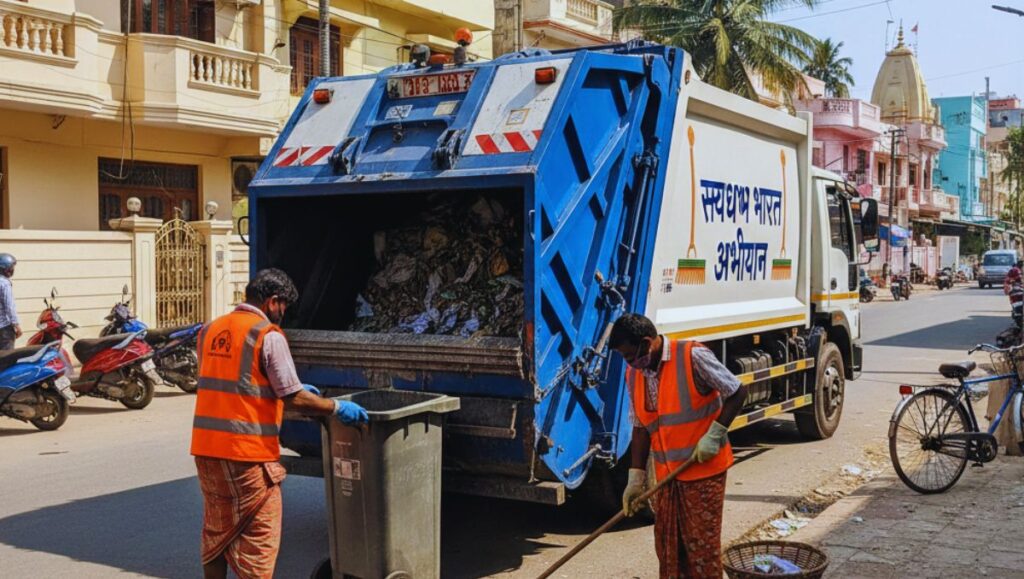
For decades, waste management systems have struggled with overflowing bins, delayed collections, rising pollution, and growing landfills. These challenges not only harm the environment but also affect public health and quality of life.
With iot used in smart waste management, cities shift from reactive cleaning to proactive planning. Smart sensors, real-time monitoring, optimized routes, and environmental tracking work together to prevent problems before they happen.
Reducing Pollution at Its Source
Unmanaged waste contributes to air, soil, and water pollution. Methane emissions from landfills increase greenhouse gases, while plastic waste damages ecosystems.
IoT-enabled systems help reduce pollution by:
- Ensuring timely waste collection
- Monitoring harmful gas emissions
- Improving recycling rates
- Preventing landfill overflow
By addressing these issues early, communities breathe cleaner air and live in safer surroundings.
Protecting Public Health
Waste that is left unmanaged can attract pests, spread bacteria, and increase the risk of disease. A smart waste system reduces these dangers by maintaining hygiene and preventing garbage accumulation.
Through real-time alerts and efficient response systems, iot used in smart waste management protects families, sanitation workers, and entire communities from health risks.
Encouraging Sustainable Living
A cleaner future depends on responsible habits. IoT systems often include digital platforms that educate citizens about waste segregation and recycling. When people are informed and engaged, they become active participants in sustainability.
This shared responsibility builds:
- Stronger environmental awareness
- Better recycling practices
- Long-term eco-friendly behavior
Technology supports not just cleaner cities, but also smarter citizens.
Supporting Climate Action
Climate change is one of the greatest challenges of our time. Waste management plays a significant role in carbon emissions and environmental degradation.
By optimizing routes, reducing fuel usage, and controlling methane emissions, iot used in smart waste management contributes directly to climate action goals. Every optimized trip and every monitored landfill makes a difference.
Creating Safe and Dignified Working Conditions
Sanitation workers are essential to our communities. IoT monitoring systems help protect them by detecting hazardous conditions like toxic gases or high temperatures.
A cleaner future includes safety and dignity for the people who keep our cities running.
Building a Legacy for Future Generations
At its heart, smart waste management is about leaving behind a better world. It is about ensuring that children inherit clean parks, safe streets, and healthy environments.
The power of iot used in smart waste management lies in its ability to combine technology with compassion. It transforms everyday waste into an opportunity for innovation and responsibility.
A Future We Can Feel Proud Of
A cleaner, healthier future is not just a dream — it is a choice. By embracing smart solutions and sustainable practices, cities can grow without harming the planet.
Iot used in smart waste management represents more than digital sensors and data systems. It represents care for our environment, respect for public health, and commitment to future generations.
When technology and humanity work together, we move closer to a world that is not only smarter — but cleaner, safer, and healthier for everyone.
Conclusion: How is IoT Used in Smart Waste Management?
With cities getting larger and environmental problems becoming more severe, the call for smarter solutions is louder than ever. Learning about iot used in smart waste management gives us useful insight into how technology can make a difference in our everyday lives. And it’s not just about connecting devices — it’s about cleaner streets, healthier communities, and a more sustainable planet.
IoT works behind the scenes but efficiently throughout contemporary waste systems. Smart bins track fill levels in real time. Sensors sense harmful gases and temperature changes. GPS-enabled trucks take routes optimized to use less fuel. Authorities make informed decisions based on real waste patterns through data analysis. These advancements combined demonstrate precisely how iot application in smart waste management evolves conventional trash collection into a smart, effective ecosystem.
But the real impact is human, and not just technological. Less litter means safer neighborhoods. Good recycling management preserves natural resources. Less pollution means cleaner air for families today and generations to come. When waste is managed proactively instead of reactively, municipalities seem more orderly, responsible, and compassionate.
Transparency and citizen engagement is another strong benefit of iot in smart waste management. Communities can report issues, get updates on progress, and contribute to sustainability efforts by using digital platforms. This shared responsibility fosters trust between residents and local authorities.
On a broader level, IoT-based waste systems are crucial to smart city development and climate action targets. They cut down on operational expenses, streamline processes, and ensure environmental monitoring remains consistent and dependable. Every bit of information collected allows cities to plan wisely for the future.
To summarize, iot is employed in smart waste management is no longer just a tech upgrade — it is a pledge to a cleaner, greener, and healthier tomorrow. It shows that when innovation is guided by responsibility and care, we can design cities that not only grow but flourish sustainably.
A more intelligent waste management system today paves the way for a better world tomorrow.