
Introduction: How Does GPS Tracking Work on Cars?
In today’s fast-moving world, vehicle safety and real-time monitoring have become more important than ever. Many car owners and businesses often ask, how does GPS tracking work on cars and how this technology helps in improving security, efficiency, and control. GPS tracking systems have transformed the way vehicles are monitored, managed, and protected across industries.
GPS, or Global Positioning System, is a satellite-based navigation technology originally developed by the United States Department of Defense. Over time, this advanced system became widely available for civilian use, including car navigation and vehicle tracking solutions. Today, GPS tracking devices are commonly installed in personal cars, commercial vehicles, and fleet trucks to provide accurate, real-time location data.
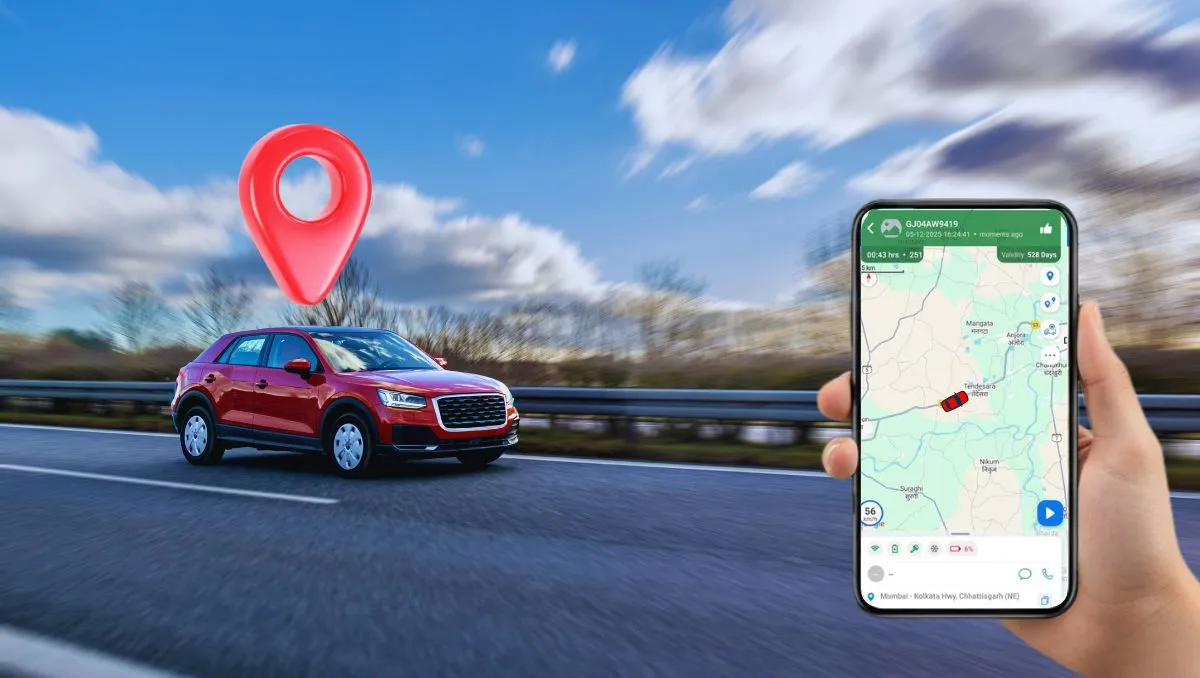
So, how does GPS tracking work on cars? In simple terms, a GPS tracking device installed inside the vehicle communicates with satellites orbiting the Earth. The device calculates the car’s exact location using satellite signals and then transmits that data through a cellular network to a secure server. Users can access this information through a mobile app or web dashboard, allowing them to monitor the vehicle anytime, anywhere.
This technology not only shows live location but also provides additional insights such as speed, route history, engine status, and driver behavior. For businesses, it improves fleet management and fuel efficiency. For individual car owners, it enhances theft protection and personal safety.
Understanding how does GPS tracking work on cars is essential for anyone looking to invest in vehicle security or fleet management solutions. As technology continues to evolve, GPS tracking systems are becoming more accurate, affordable, and feature-rich, making them an essential tool in modern transportation.
What is GPS Tracking?
To clearly understand how does GPS tracking work on cars, it is important to first understand what GPS tracking actually means. GPS tracking is a technology that uses satellite signals to determine the exact location of a vehicle, person, or asset in real time. It allows users to monitor movement, speed, routes, and other important data through a mobile app or web-based dashboard.
GPS stands for Global Positioning System, a satellite navigation system originally developed by the United States Department of Defense. While it was first created for military use, GPS technology is now widely used for civilian purposes, including vehicle navigation, fleet management, and car tracking systems.
In simple terms, GPS tracking involves three key elements: satellites, a GPS receiver (tracking device), and a communication network. The satellites orbiting the Earth continuously transmit signals. A GPS receiver installed inside a car collects these signals and calculates the vehicle’s precise location using advanced mathematical calculations. The device then sends this location data through a cellular network to a central server, where it can be accessed by the user.
When discussing how does GPS tracking work on cars, GPS tracking plays a central role by enabling real-time vehicle monitoring. It not only shows the live position of a car but can also provide details such as speed, travel history, stops, and driving behavior. Modern GPS tracking systems are widely used by individual car owners for theft protection and by businesses for efficient fleet management.
Overall, GPS tracking is a powerful and reliable technology that forms the foundation of modern vehicle tracking systems. Understanding what GPS tracking is makes it easier to grasp how does GPS tracking work on cars and why it has become an essential tool in today’s transportation industry.
How Does GPS Tracking Work on Cars?
If you want a complete understanding of how does GPS tracking work on cars, it’s important to break the process down into clear technical and practical steps. GPS tracking is a combination of satellite technology, hardware devices, wireless communication, and cloud-based software working together in real time.
Let’s explore the system in depth.
1. The GPS Satellite Network
At the foundation of how does GPS tracking work on cars is the Global Positioning System (GPS), developed by the United States Department of Defense.
This system consists of a constellation of satellites orbiting the Earth approximately 20,000 kilometers above the surface. These satellites:
- Continuously broadcast radio signals
- Transmit their exact orbital position
- Send highly accurate time data
At any given moment, multiple satellites are visible from any location on Earth. A GPS tracker must connect with at least four satellites to determine a precise 3D location (latitude, longitude, and altitude).
2. The GPS Tracker Installed in the Car
The GPS tracking device installed inside the vehicle is the core hardware component. It contains:
- A GPS receiver (to capture satellite signals)
- A microprocessor (to calculate position)
- A SIM card (for data transmission)
- An antenna (for better signal reception)
- A power source (vehicle battery or internal battery)
This device is usually installed:
- Directly wired into the vehicle’s electrical system
- Plugged into the OBD port
- Or used as a portable battery-powered tracker
3. How the Tracker Calculates Location (Trilateration)
Now comes the most important part of understanding how does GPS tracking work on cars — the location calculation process.
When the GPS receiver inside the car captures signals from satellites, it measures how long each signal took to reach the device. Because satellite signals travel at the speed of light, even tiny time differences help calculate distance.
Using a mathematical method called trilateration, the tracker:
- Calculates its distance from Satellite A
- Calculates its distance from Satellite B
- Calculates its distance from Satellite C
- Uses a fourth satellite to correct time errors
By combining these distances, the tracker determines the vehicle’s exact position on Earth.
4. Collecting Additional Vehicle Data
Modern GPS trackers do more than calculate location. Depending on the device type, they can also collect:
- Speed data
- Direction of travel
- Engine ON/OFF status
- Ignition status
- Fuel level (with additional sensors)
- Driver behavior (harsh braking, rapid acceleration)
This makes GPS tracking highly valuable for both personal vehicles and fleet businesses.
5. Data Transmission to the Server
Once the GPS tracker calculates the vehicle’s position, it needs to send this data to the user.
This is done through:
- GSM networks (using a SIM card inside the tracker)
- 4G or 5G cellular networks
- Satellite communication (in remote areas)
The tracker sends data packets to a secure cloud-based server at regular intervals (every few seconds or minutes).
Without cellular connectivity, the tracker can still calculate location, but it cannot transmit the data in real time.
6. Cloud Processing and User Interface
After the data reaches the server:
- The cloud software processes the information
- It stores route history and trip data
- It generates alerts (if conditions are triggered)
- It updates the live tracking map
Users can then log in via:
- Mobile apps
- Web dashboards
- Fleet management software
They can see:
- Live vehicle location
- Trip playback history
- Speed reports
- Geofence alerts
- Vehicle activity reports
7. Real-Time Alerts and Smart Features
To fully understand how does GPS tracking work on cars, you must consider intelligent automation features such as:
- Geofencing (alert when vehicle enters/exits an area)
- Overspeed alerts
- Idle time reports
- Anti-theft alerts
- SOS emergency buttons
- Maintenance reminders
These features make GPS tracking not just a location tool but a complete vehicle management system.
8. Continuous Monitoring Cycle
The entire system works in a continuous loop:
- Receive satellite signals
- Calculate position
- Collect vehicle data
- Transmit via cellular network
- Process in cloud server
- Display to user
This cycle repeats every few seconds, ensuring real-time monitoring.
Types of Car GPS Trackers
When exploring how does GPS tracking work on cars, understanding the different types of GPS trackers is essential. While all GPS trackers rely on satellite signals and cellular networks to determine and transmit vehicle location, their installation methods, power sources, and advanced capabilities differ significantly.
Below is a detailed explanation of each major type of car GPS tracker.
1. Wired GPS Trackers (Hardwired Trackers)
Wired GPS trackers are permanently installed inside the vehicle and directly connected to the car’s electrical system. These devices are usually hidden behind the dashboard to prevent tampering.
How They Work
The device receives power from the vehicle battery and continuously communicates with GPS satellites to calculate location. It then sends data via a SIM card over GSM/4G/5G networks to a cloud server.
Key Advantages
- Continuous power supply (no charging required)
- Hidden installation for better security
- Real-time tracking with minimal signal interruption
- Engine ignition status monitoring
- Remote engine immobilization (in advanced models)
Best For
- Fleet management companies
- Logistics and transport businesses
- Commercial vehicles
- Long-term vehicle tracking
Because of their stable power connection and advanced integration, wired trackers provide the most reliable example of how does GPS tracking work on cars in professional applications.
2. OBD GPS Trackers (Plug-and-Play Devices)
OBD GPS trackers plug directly into the vehicle’s On-Board Diagnostics (OBD-II) port. This port is available in most vehicles manufactured after 1996.
How They Work
Once plugged in, the device draws power from the OBD port and begins receiving satellite signals immediately. It can also read diagnostic data from the vehicle’s internal computer.
Additional Capabilities
- Vehicle health monitoring
- Diagnostic trouble codes (DTC alerts)
- Fuel consumption data
- Engine performance reports
Key Advantages
- Easy installation (no technician required)
- Quick removal and transfer to another vehicle
- Ideal for personal car owners
Limitations
- Visible device (not fully hidden)
- Can be unplugged easily
For individuals who want a simple solution to understand how does GPS tracking work on cars, OBD trackers offer a practical and affordable option.
3. Battery-Powered (Portable) GPS Trackers
Portable GPS trackers operate on rechargeable batteries and do not require direct wiring.
How They Work
These devices use internal batteries to power the GPS receiver and cellular module. Depending on the model, battery life can range from a few days to several months in power-saving mode.
Key Features
- No installation required
- Can be placed anywhere inside the vehicle
- Easy to move between vehicles
- Motion detection and sleep mode
Best For
- Temporary vehicle tracking
- Rental vehicles
- Personal security
- Short-term monitoring
Limitations
- Requires periodic charging
- May stop working if battery drains
These devices clearly demonstrate how does GPS tracking work on cars without permanent installation, making them flexible and user-friendly.
4. Magnetic GPS Trackers
Magnetic GPS trackers are a specialized type of portable tracker with strong built-in magnets for attaching under metal surfaces of a vehicle.
How They Work
Similar to portable trackers, they rely on battery power and satellite signals. Their magnetic casing allows discreet placement under the vehicle chassis.
Key Advantages
- Easy concealment
- No wiring required
- Weather-resistant casing (in many models)
Use Cases
- Covert tracking
- Investigation purposes
- Asset protection
These trackers focus more on stealth and flexibility rather than advanced fleet integration.
5. Advanced Hardwired GPS Trackers with Sensors
These are high-end tracking systems designed for commercial fleets and specialized vehicles.
Additional Integrations
- Fuel level sensors
- Temperature sensors (for cold chain vehicles)
- Door open/close sensors
- Panic/SOS buttons
- RFID driver identification
- Camera integration
How They Work
In addition to satellite positioning, these trackers collect sensor-based data and send it to cloud-based fleet management platforms for advanced reporting and analytics.
Best For
- Logistics companies
- School buses
- Public transportation
- Oil and fuel tankers
- Refrigerated trucks
These systems show the full potential of how does GPS tracking work on cars when combined with IoT (Internet of Things) technologies.
Comparison Summary
| Type | Installation | Power Source | Best For |
|---|---|---|---|
| Wired | Permanent | Vehicle battery | Fleet & long-term use |
| OBD | Plug-and-play | OBD port | Personal vehicles |
| Portable | No installation | Rechargeable battery | Temporary use |
| Magnetic | No installation | Rechargeable battery | Covert tracking |
| Advanced Hardwired | Professional install | Vehicle battery + sensors | Commercial fleets |
Key Features of Car GPS Tracking Systems
To truly understand how does GPS tracking work on cars, it is important to look beyond basic location tracking and explore the advanced features modern GPS tracking systems provide. Today’s car GPS trackers combine satellite positioning, cellular connectivity, telematics, and cloud-based analytics to deliver powerful monitoring and control capabilities.
Below is a detailed breakdown of the key features of car GPS tracking systems.
1. Real-Time GPS Location Tracking
Real-time tracking is the core feature of every GPS tracking system. The tracker installed inside the vehicle continuously communicates with GPS satellites to determine its exact position. It then sends this information to a cloud server via cellular networks.
What It Provides:
- Live vehicle location on a digital map
- Continuous movement updates
- Accurate latitude and longitude coordinates
- Tracking from anywhere using mobile or desktop
This feature is fundamental to understanding how does GPS tracking work on cars, as it forms the foundation of the entire system.
2. Route History and Trip Playback
Modern GPS systems store historical tracking data in the cloud. This allows users to review past vehicle activity.
Data Includes:
- Complete route maps
- Trip start and end times
- Distance traveled
- Stop durations
- Idle time
Fleet managers use this feature to analyze efficiency, verify driver routes, and improve route planning.
3. Geofencing Technology
Geofencing is an advanced feature that allows users to create virtual boundaries around specific areas on a map.
How It Works:
Users define a geographic area (for example, a warehouse or office). If the vehicle:
- Enters the area
- Exits the area
- Stays longer than allowed
The system instantly sends alerts via app notifications, SMS, or email.
Benefits:
- Prevents unauthorized vehicle use
- Tracks vehicle arrival and departure times
- Enhances security monitoring
Geofencing clearly demonstrates how does GPS tracking work on cars beyond simple positioning.
4. Speed Monitoring and Overspeed Alerts
GPS tracking devices continuously calculate vehicle speed using satellite data.
Features Include:
- Real-time speed display
- Custom speed limit settings
- Instant overspeed alerts
- Speed violation reports
This helps reduce accidents, improve road safety, and encourage responsible driving behavior.
5. Ignition Status and Engine Monitoring
Advanced GPS trackers connect with the vehicle’s electrical system to monitor ignition status.
Capabilities:
- Engine ON/OFF reports
- Unauthorized ignition alerts
- Remote engine immobilization (in supported models)
This feature enhances anti-theft protection and provides better operational control for fleet managers.
6. Driver Behavior Analysis
Fleet-focused GPS tracking systems analyze driving patterns using built-in sensors.
Monitored Activities:
- Harsh braking
- Rapid acceleration
- Sudden sharp turns
- Excessive idling
- Over-speeding
Benefits:
- Improves driver discipline
- Reduces fuel consumption
- Lowers vehicle wear and tear
- Minimizes accident risk
Driver behavior monitoring plays a major role in advanced fleet optimization.
7. Fuel Monitoring and Fuel Theft Detection
With additional fuel sensors installed, GPS systems can monitor fuel usage and detect irregularities.
What It Tracks:
- Fuel level changes
- Refueling events
- Sudden fuel drops (possible theft)
- Fuel efficiency reports
This feature is especially valuable for logistics companies and transport businesses.
8. SOS Emergency Button and Alerts
Many GPS tracking systems include an emergency SOS button inside the vehicle.
How It Helps:
- Sends instant emergency alerts
- Shares real-time location with authorities or managers
- Enables quick response in accidents or breakdowns
This significantly improves driver safety.
9. Cloud-Based Reporting and Analytics
All collected data is stored and processed in secure cloud servers.
Reports Available:
- Daily and monthly vehicle reports
- Distance and mileage summaries
- Idle time analysis
- Driver performance scorecards
- Maintenance reminders
These reports help businesses make data-driven decisions and reduce operational costs.
10. Mobile App and Web Dashboard Access
GPS tracking systems offer user-friendly platforms accessible through:
- Android and iOS mobile apps
- Web-based dashboards
Users can:
- View live maps
- Generate reports
- Receive instant alerts
- Manage multiple vehicles from one account
This digital accessibility is a key reason why understanding how does GPS tracking work on cars is important for modern vehicle management.
11. Anti-Theft Protection and Alerts
Modern GPS tracking systems include theft detection features such as:
- Movement alerts when ignition is OFF
- Unauthorized driving alerts
- Power disconnection alerts
- Real-time recovery tracking
These features increase the chances of quick vehicle recovery.
12. Maintenance and Service Reminders
Advanced systems track mileage and engine hours to provide:
- Service reminders
- Oil change alerts
- Preventive maintenance notifications
This reduces breakdown risks and extends vehicle lifespan.
Benefits of GPS Tracking in Cars
To fully understand the real value behind how does GPS tracking work on cars, it is essential to explore the detailed benefits this technology offers. GPS tracking systems are no longer limited to simple location tracking. Today, they combine satellite positioning, telematics, real-time communication, and cloud-based analytics to improve safety, efficiency, and cost control.
Below is a comprehensive explanation of the major benefits of GPS tracking in cars.
1. Advanced Vehicle Security and Theft Recovery
One of the primary benefits of GPS tracking is enhanced vehicle protection. If a car is stolen, the tracking system provides its real-time location, increasing the chances of quick recovery.
Key Security Benefits:
- Instant movement alerts when the ignition is OFF
- Tamper alerts if the device is disconnected
- Unauthorized usage notifications
- Real-time tracking for recovery
- Remote engine immobilization (in supported systems)
Unlike traditional alarms, GPS tracking allows active monitoring rather than passive protection.
2. 24/7 Real-Time Vehicle Monitoring
GPS tracking systems provide continuous monitoring of vehicle movement. Users can log in to a mobile app or web dashboard and see live vehicle location at any time.
Monitoring Capabilities:
- Exact location on digital maps
- Real-time speed updates
- Travel direction
- Stop and idle information
This continuous visibility demonstrates clearly how does GPS tracking work on cars in real-world situations.
3. Improved Driver Safety and Accountability
Driver behavior significantly impacts safety and operational costs. GPS tracking systems help monitor and improve driving performance.
Monitored Driving Behaviors:
- Harsh braking
- Rapid acceleration
- Sharp cornering
- Excessive idling
- Over-speeding
Benefits:
- Reduced accident risk
- Safer driving culture
- Lower insurance premiums
- Reduced vehicle wear and tear
This leads to both safety improvements and long-term cost savings.
4. Significant Fuel Cost Reduction
Fuel is one of the largest expenses for vehicle owners and fleet operators. GPS tracking systems help reduce fuel consumption in several ways:
- Route optimization to avoid traffic congestion
- Monitoring idle time
- Detecting inefficient driving patterns
- Identifying fuel theft (with additional sensors)
By improving driving efficiency, businesses can significantly lower fuel expenses.
5. Efficient Fleet Management and Operational Control
For businesses with multiple vehicles, GPS tracking provides centralized fleet management.
Fleet Advantages:
- Real-time monitoring of all vehicles
- Route optimization for faster deliveries
- Automated trip reports
- Driver performance evaluation
- Reduced unauthorized vehicle use
Understanding how does GPS tracking work on cars allows businesses to maximize operational productivity.
6. Increased Productivity and Time Management
With optimized routes and real-time traffic monitoring, drivers can complete trips faster and avoid delays.
Productivity Benefits:
- Faster deliveries
- Better schedule management
- Reduced downtime
- Improved task allocation
This directly enhances customer satisfaction and service reliability.
7. Geofencing and Location-Based Alerts
Geofencing allows users to create virtual boundaries around specific areas such as offices, warehouses, or restricted zones.
Alert Triggers:
- Vehicle entering a zone
- Vehicle exiting a zone
- Extended parking within a zone
This improves security and helps manage operational workflows more effectively.
8. Detailed Reporting and Data Analytics
GPS tracking systems generate comprehensive reports that provide actionable insights.
Types of Reports:
- Daily, weekly, and monthly travel summaries
- Distance and mileage reports
- Speed violation logs
- Idle time reports
- Driver performance analysis
These insights support better decision-making and long-term planning.
9. Preventive Maintenance and Vehicle Health Monitoring
Advanced GPS tracking systems monitor mileage and engine activity to provide maintenance reminders.
Maintenance Benefits:
- Timely oil change alerts
- Scheduled service reminders
- Reduced breakdown risks
- Extended vehicle lifespan
Preventive maintenance reduces repair costs and unexpected downtime.
10. Emergency Assistance and SOS Alerts
Many GPS tracking systems include emergency alert features.
Emergency Capabilities:
- SOS panic button
- Accident alerts
- Instant location sharing
- Faster emergency response
This improves driver safety and peace of mind.
11. Reduced Insurance Costs
Insurance providers may offer discounts for vehicles equipped with GPS tracking systems because:
- Theft recovery rates improve
- Driving behavior monitoring reduces accident risk
- Claims verification becomes easier
This creates long-term financial benefits.
12. Better Customer Service and Transparency
For transport and delivery businesses, GPS tracking enhances transparency.
Customer Service Benefits:
- Accurate delivery time estimates
- Live shipment tracking
- Improved communication
- Faster issue resolution
Customers gain confidence when they can track services in real time.
Does GPS Tracking Drain Car Battery?
When discussing how does GPS tracking work on cars, one common concern vehicle owners have is whether a GPS tracking device can drain the car battery. This is an important question, especially for individuals who leave their vehicles parked for long periods.
The simple answer is: modern GPS tracking devices are designed to consume very minimal power, and in most cases, they do not significantly drain a car battery when properly installed.
How Much Power Does a GPS Tracker Use?
GPS trackers are low-power electronic devices. A standard hardwired GPS tracker typically consumes a small amount of electricity—usually between 10 to 50 milliamps depending on the model and network activity.
To put this into perspective:
- A healthy car battery has enough capacity to handle this small load.
- The power usage of a GPS tracker is much lower than many built-in vehicle systems such as alarm systems or infotainment units.
Because of this low energy consumption, understanding how does GPS tracking work on cars also involves knowing that these devices are engineered for continuous operation without harming the vehicle’s electrical system.
Wired GPS Trackers and Battery Impact
Wired GPS trackers connect directly to the vehicle’s battery. Since they receive constant power, they do not require charging.
In normal conditions:
- They have negligible impact on battery life.
- They are designed to operate safely 24/7.
- Many models include sleep mode features when the vehicle is idle.
However, if:
- The car battery is already weak,
- The vehicle remains unused for several weeks,
- Or the device is improperly installed,
Then there may be a risk of battery discharge.
Battery-Powered (Portable) GPS Trackers
Portable GPS trackers use their own internal rechargeable battery. These devices:
- Do not draw power from the car battery.
- Need periodic charging.
- Operate independently of the vehicle’s electrical system.
In this case, there is zero impact on the car battery.
Situations Where Battery Drain Can Happen
Although rare, battery drain may occur under certain conditions:
- Old or damaged vehicle battery
- Faulty GPS device
- Improper wiring installation
- Extremely long vehicle inactivity (weeks or months)
Modern GPS tracking systems are built with intelligent power-saving modes that reduce activity when the vehicle is stationary, minimizing energy consumption.
Do Modern GPS Trackers Have Power-Saving Features?
Yes. Advanced GPS tracking systems include:
- Sleep mode during inactivity
- Low-battery alerts
- Smart data transmission intervals
- Ignition-based activation
These features ensure efficient operation without unnecessary battery usage.
Is GPS Tracking Legal?
When learning how does GPS tracking work on cars, many people also ask an important question: Is GPS tracking legal? The answer depends on who owns the vehicle, who is being tracked, and the laws of the country or region where the tracking is taking place.
GPS tracking technology itself is legal in most countries. It is widely used for navigation, fleet management, theft recovery, and logistics operations. However, the legality of using a GPS tracker depends on consent, ownership, and purpose.
GPS Tracking on Your Own Vehicle
In most regions, it is completely legal to install a GPS tracker on a vehicle that you own. Vehicle owners have the right to monitor and protect their property. This is one of the most common uses of GPS tracking systems.
For example, businesses use GPS tracking to manage fleet vehicles, monitor routes, and improve operational efficiency. Individuals use it for theft protection and family safety.
Understanding how does GPS tracking work on cars helps clarify why it is considered a legitimate tool for security and vehicle management when used responsibly.
GPS Tracking Without Consent
Tracking a vehicle that you do not own, without the knowledge or permission of the owner, may be illegal in many countries. Laws generally protect individuals from unauthorized surveillance and invasion of privacy.
For example:
- Secretly installing a tracker on someone else’s car can be considered illegal surveillance.
- Tracking a spouse, employee, or another person without proper consent may violate privacy laws.
- Criminal penalties can apply in certain jurisdictions.
Because privacy laws differ by country and state, it is always important to check local regulations before installing a GPS tracking device.
GPS Tracking in Business and Fleet Management
In commercial settings, GPS tracking is widely used and generally legal when:
- The vehicles are owned by the company.
- Employees are informed about the tracking.
- The tracking is used for legitimate business purposes.
Transparency is key. Many countries require employers to notify drivers that GPS tracking systems are installed in company vehicles.
This use case clearly demonstrates how does GPS tracking work on cars as a business tool rather than a surveillance device.
GPS Tracking for Parents and Family
Parents often install GPS trackers in family vehicles to monitor teenage drivers for safety reasons. In most places, this is legal when the parent owns the vehicle.
The goal in such cases is typically safety, not privacy invasion.
Data Protection and Privacy Laws
Modern GPS tracking systems collect and store location data. Because of this, data protection laws may apply.
Important considerations include:
- Secure data storage
- Limited access to tracking information
- Compliance with local privacy regulations
- Proper consent where required
Companies offering GPS tracking services must follow data protection guidelines to ensure user privacy.
Key Legal Factors to Consider
Before installing a GPS tracker, consider:
- Do you own the vehicle?
- Do you have permission from the vehicle owner?
- Are you complying with local privacy laws?
- Are employees informed if used in business vehicles?
Answering these questions ensures that GPS tracking remains legal and ethical.
Conclusion: How Does GPS Tracking Work on Cars
In conclusion, understanding how does GPS tracking work on cars helps vehicle owners and businesses realize the true power of this modern technology. GPS tracking systems operate through a seamless combination of satellite communication, onboard tracking devices, cellular networks, and cloud-based software platforms.
A GPS tracker installed inside a vehicle receives signals from multiple satellites orbiting the Earth. By calculating the distance between the vehicle and those satellites using trilateration, the device determines the car’s exact location. This data is then transmitted through a cellular network to a secure server, where it is processed and displayed on a mobile app or web dashboard for real-time monitoring.
The entire process happens within seconds and repeats continuously, allowing users to track vehicle movement, monitor speed, review trip history, and receive instant alerts. This is the core explanation of how does GPS tracking work on cars in practical, real-world use.
Beyond simple location tracking, modern GPS systems provide advanced features such as geofencing, driver behavior analysis, fuel monitoring, theft alerts, and maintenance reminders. These capabilities transform a vehicle into a connected, intelligent asset that improves safety, reduces operational costs, and enhances efficiency.
Whether used for personal vehicle security or large-scale fleet management, GPS tracking technology offers reliability, accuracy, and control. As advancements in telematics and wireless communication continue to evolve, GPS tracking systems are becoming smarter, faster, and more accessible than ever.
Ultimately, knowing how does GPS tracking work on cars empowers users to make informed decisions about vehicle protection and management. With proper installation and responsible use, GPS tracking remains one of the most effective tools for modern transportation safety and operational success.