
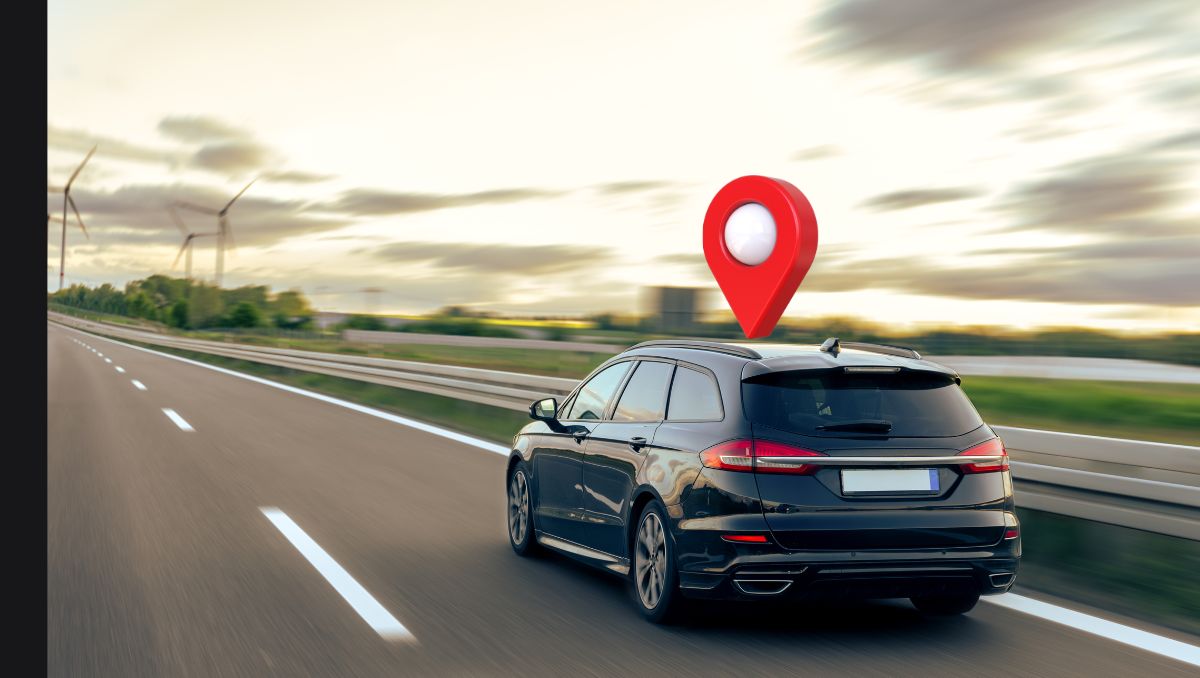
In the modern globalized society, technology is changing how we drive and control cars. The question that both car buyers and owners will always put across is: Do new cars have GPS tracking devices? The response is even becoming more of a yes. The cars nowadays are not merely mechanical machines, but intelligent machines that move. New cars are now widely equipped with GPS tracking devices that have such advantages as real-time navigation, the security of a vehicle, its recovery in case of theft, and even insurance and fleet management telematics. It is vital to understand how these devices operate, their strengths, and weaknesses, to any person willing to purchase a new car or to advance the technology of their vehicle.
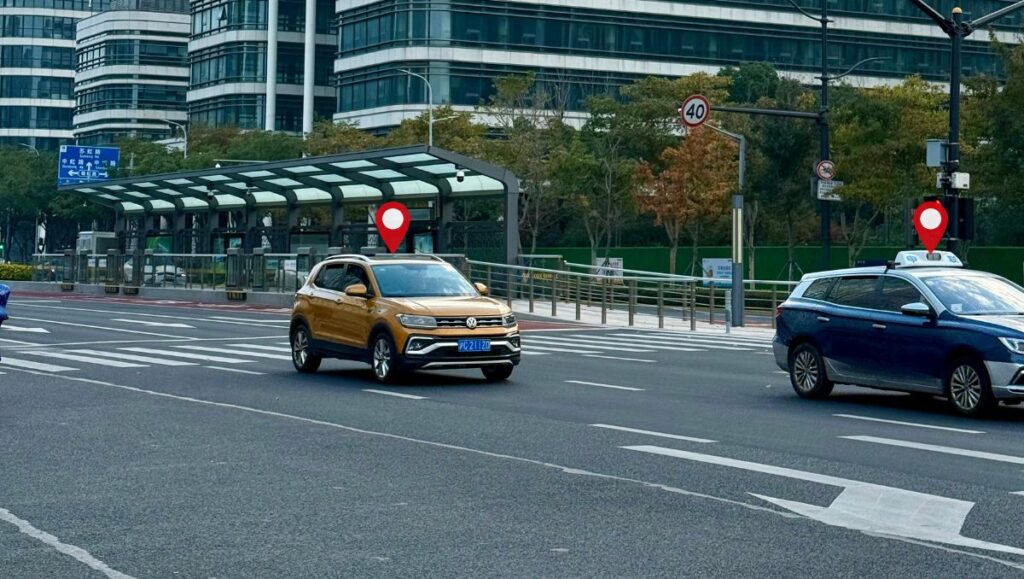
What are GPS Tracking Devices in Cars?
A GPS tracking devices is an electronic device that detects the exact position of a vehicle in real-time, with the help of satellite signals. They may be installed in the system of a car by the designer or be added as an aftermarket device.
In the case of new vehicles, GPS tracking devices is usually integrated into telematics systems. These systems are able to track their location, in addition to monitoring their driving habits, fuel usage, and their maintenance schedule.
Do New Cars Have GPS Tracking Devices?
The majority of currently manufactured vehicles (particularly the middle-range and luxury ones) are fitted with in-built GPS tracking devices or telematics. Some examples include:
1] Connected car services: BMW, Mercedes-Benz, and Tesla have brands that are equipped with in-built navigation and GPS tracking devices, services that are also capable of assisting in locating a stolen car.
2] Emergency help: Most of the present cars come with functions such as automatic crash notifications, which are based on GPS to send the location of the vehicle to the emergency personnel.
3] Fleet and insurance tracking: Some cars are fitted with optional fleet tracking or insurance tracking.
It should be mentioned that, in addition to GPS technology being an everyday element of a new car, not all vehicles include the use of active GPS tracking devices. Other models are hardware-equipped but need a subscription in order to enable tracking services.
How GPS Tracking Devices Work in New Cars
The current GPS tracking devices on cars are usually enabled through a transduction of GPS satellites, vehicle hardware, and cellular networks:
1] GPS Satellites: This is a device that interacts with satellites to know the position of the vehicle through triangulation.
2] Onboard Telematics: The system that the car has records the information as speed, direction, and location.
3] Data Transmission: The data is sent via cellular networks to a server or application in which the data can be accessed by the owner of the data or the service provider.
The technology enables tracking in real time, geofencing (defining areas of location), and a historical record of routes.
Benefits of GPS Tracking Devices in New Cars
And there are several advantages of having GPS tracking devices in new cars:
1] Theft Prevention and Recovery: In case of car theft, GPS tracking devices will enable the police to track it down within a short time.
2] Navigation Assistance: In-built navigation systems give good directions and traffic information.
3] Emergency Services: This will be useful in the event of an accident, when emergency responders can be alerted to the exact location.
4] Fleet Management: Companies are able to track the use of the vehicles and enhance efficiency.
5] Insurance Discounts: Insurers do give reduced premiums on cars fitted with GPS tracking.
Considerations for Vehicle Owners
While GPS tracking devices offer numerous benefits, car owners should also consider:
- Subscription Costs: Some GPS services require monthly or annual subscriptions.
- Privacy Concerns: Continuous location tracking could raise privacy issues.
- Battery Drain and Maintenance: Integrated telematics systems need proper maintenance to function efficiently.
Factory-Installed Features That Use GPS Tracking Devices
GPS technology is being increasingly used in modern vehicles to give them convenience, safety, and connectivity. Most of these features are factory-fitted, that is, the manufacturer incorporates them in the product but does not add them after the production. Here are some key examples:
1. Navigation Systems
The built-in navigation of most new cars is using GPS that provides real-time directions, traffic updates, and the estimated time of arrival. They are less prone to errors and disruptions than smartphone applications since these systems are built in and connected to the car display and controls.
2. Emergency Assistance (eCall)
Most of the cars are equipped with emergency call systems, which automatically notify the responders on the event of an accident. GPS enables the car to communicate its exact position, and this makes it respond at a faster rate.
3. Stolen Vehicle Recovery
GPS that is installed in a factory can be used to retrieve a stolen vehicle. Services like Tesla, BMW, and Mercedes-Benz manufacturers assume that the process of a car being found remotely with the help of GPS is possible.
4. Telematics Services
Connected cars, such as OnStar by GM or Connected Services by Toyota, are telematics systems that operate on GPS to offer remote monitoring of the vehicle, route tracking, geofencing, and diagnostics.
5. Driver Assistance Features
ADAS frequently uses GPS in the adaptive cruise control, lane-keeping support, and speed-limit detection. GPS information assists the car in its knowledge of its position throughout the roads and in the environment.
6. Fleet Usage-Based Insurance and Fleet Management.
Certain vehicles are sold with an installed GPS in the factory to monitor the commercial fleet or insurance schemes that track the driving habits. This allows firms and insurers to plan the routes more efficiently, control fuel usage, and provide safe-driving rewards.
Telematics / Connected Car Systems
One of the most significant applications of GPS in the contemporary vehicles is telematics, or connected-car systems, as it is commonly referred to. These systems are installed in factories and comprise of GPS, cellular data, and sensors to provide a multitude of useful features to the drivers and their owners.
What Are Telematics Systems?
Telematics systems are in-car technologies that gather, archive, and transmit information regarding the position, performance of the car and its use. They are generally placed on the factory and provide real-time information and actionable insights by GPS.
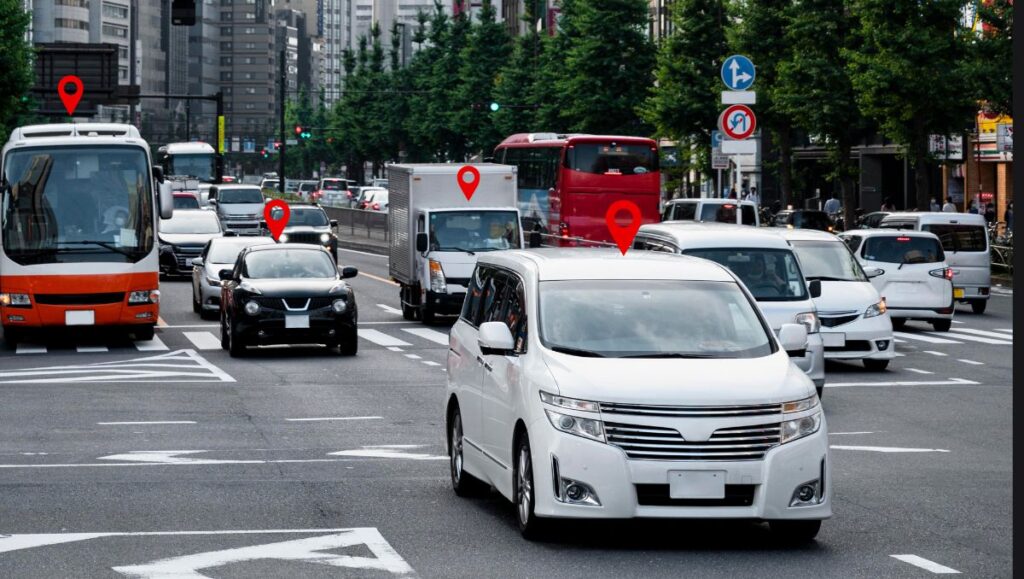
Major Characteristics of Telematics / Connected Car Systems.
1. Real‑Time Vehicle Tracking
The car owners are able to find their car immediately using a mobile application or a web portal. This is useful in stealing prevention, locating a vehicle that is lost or in monitoring a fleet.
2. Remote Diagnostics and Maintenance Notifications.
The system checks engine conditions, battery charge, tire pressure and so on. GPS links the alerts to the exact position, and thus, roadside assistance appears exactly where you need.
3. Geofencing and Alerts
Geofencing is based on GPS to create virtual boundaries. The car is alerted upon crossing an exit or entry point via the system which is beneficial to the parent, fleet operators, and rental firms
4. Emergency Response (eCall)
The telematics unit automatically transmits the location of the vehicle, its status, and other important data to an emergency responder, reducing the response time in case of a crash.
5. Usage‑Based Insurance
Telemetrics of some insurers is used to work out premiums based on actual driving behavior, speed, and miles. Proper GPS tracking would mean that routes and mileage are properly reported.
6. Improved Infotainment and Navigation.
The system combines the GPS positioning with live traffic updates, local points of interest, and voice controls, and enhances safety and convenience.
Do Car Manufacturers Track You?
Many drivers are now asking themselves whether they are being tracked by their car manufacturers because of the advent of GPS and telematics on new automobiles. The answer is nuanced. Although GPS and related systems are convenient and safe, they are used to gather data that can be given to the manufacturer under some circumstances.
The Way Manufacturers will be able to monitor Vehicles.
1. Telematics Data Collection
Contemporary cars have telematics (which include OnStar, BMW Connected Drive, or Mercedes-Benz me) that transmit data to the manufacturer. This can include:
- Vehicle location (via GPS)
- Speed and driving behavior
- Automotive inspection and servicing requirements.
- Mileage and Fuel consumption.
2. Navigation and Infotainment Usage.
The GPS-based navigation devices have the habit of recording your journeys and destinations, among other places you frequent regularly. Other manufacturers exploit this anonymized data to enhance traffic analysis, navigation recommendations, or updates to software.
3. Mobile App Integration
There are numerous companion apps created by many manufacturers that enable the owners to find their cars, manage some functions, or get some notifications. The application of these applications can come with the condition of consenting to data sharing agreements that can incorporate the monitoring of the location of your vehicle.
What Data is shared and Why
1] Safety and Emergency Services: GPS data can help to alert emergency responders in case of an accident.
2] Vehicle Performance Improvement: Data assists manufacturers in tracking the performance of vehicles and identifying the faults.
3] Personalization and Convenience: Location and use data help manufacturers to provide personalized services, such as traffic information, route maps, or remote diagnostics.
Privacy Considerations
1] Opt -In / Opt -Out: Most manufacturers would give you the ability to control your data sharing, but in some cases, certain features could be turned off.
2] Anonymized Data: In many cases, location and usage statistics are aggregated and anonymized to analyze them.
3] Transparency: When buying a new car, it is essential to ensure that you read the privacy policy and the telematics agreement.
Hidden GPS Tracking Devices in New Cars — Myth or Reality?
One of the frequently asked questions to automotive buyers is whether new cars have covert tracking devices that auto producers or dealerships plant. We should draw the line between fact and fiction.
Are Hidden GPS tracking devices Installed by Manufacturers?
In the case of most mainstream and luxury cars, the GPS system is merely included as navigation, telematics, or connected-car system. The hardware is not clandestinely installed but rather spelled out in the manual or in the telematics agreement.
- Fact: Businesspersons do not usually use hidden cameras to spy on motorists in their cars without their knowledge.
- Use: The GPS finds several applications as a navigator, safety, emergency, or related functions.
How to Stay Safe
1. Check Before Buying: Request an in-depth check of a used car to make sure that there are no secret gadgets.
2. Check With Retailer Features: Check the inbuilt GPS and telematics, including any data-sharing agreements.
3. Know Your Privacy Settings: Privy to most of the connected-car systems, you will have control or do away with the location tracking.
Can Dealerships Install GPS Tracking Devices?
There are many questions that the majority of car buyers ask themselves: can a dealership install a GPS on new cars or used cars? The reason is: it can happen, although it will only be in a particular case and with permission.
When Dealerships Might Use GPS
1. Demonstrator or loaner vehicles: Dealerships may place GPS tracking devices on test-drive cars or loaner cars to know how they are used, drive safely, and avoid theft or abuse.
2. Fleet management : Fleet management dealers who rent several vehicles, or whose cars are used by corporate clients or to track their inventory, can track their position and usage with a GPS device.
3. Optional anti-theft features There are more dealerships that provide optional security features that are based on GPS. They are installed and placed there at the knowledge of the owner, and may need a subscription.
How to Protect Yourself
1. Inquire about installed devices: You should always ask whether some devices of tracking or telematics devices are installed in the vehicle.
2. Examine the vehicle: Examine the OBD-II port, undercarriage, and panels to identify strange devices.
3. Check agreements: In case some GPS or telematics services are involved, it is necessary to read the terms and privacy disclosures.
How to Know If Your Car Has a GPS Tracking Devices?
Many drivers are inquiring about how they can determine whether their car has a tracker since the use of GPS is the new norm. There are factory-installed and aftermarket trackers, and it is important to know what type of tracker you have in your car, both in regard to privacy and safety.
1. Check your vehicle’s manual
The GPS tracking devices is mostly installed in the computer-controlled device called navigation, telematics or connected services installed in the factory. These features are included in the owner’s manual or infotainment guide and have their functionality described.
2. Find telematics or related services.
The contemporary vehicles are equipped with OnStar, BMW ConnectedDrive, or Mercedes-Benz me systems in the majority of vehicles. They navigate with the help of GPS, aid in case of emergency, and remote services. These features are found in your dashboard or infotainment settings.
3. Inspect the OBD‑II port
Aftermarket GPS tracking devices may be installed in the OBD-II port, which is located under the dashboard by the driver’s seat. Check whether there are any strange gadgets.
4. Check Under the Car and in Panels
Hidden GPS tracking devices may be tiny battery-operated devices that are installed beneath the chassis, within wheel wells, or on the interior panels. Check spots where a small space may be located to attach or mount some device.
5. Use a GPS Detector or Professional Inspection.
To be more sure, a GPS detector can tell the presence of any secret trackers. Proper checkout may be conducted by a skilled mechanic or a security expert as well.
6. Review Mobile Apps Linked to Your Car.
When your car is connected to a manufacturer or other third-party application, it can send GPS data. Make sure the application is active in tracking and ensure that there is an option of disabling location sharing in case of privacy concerns.
Advantages of GPS Tracking Devices in New Cars
GPS tracking devices has been an indispensable part of a modern car, as it is safe, convenient, and efficient. Here are the main benefits.
1. Enhanced Navigation and Route Planning.
GPS tracking devices offers real-time navigation, which assists a driver to escape traffic, identify the shortest route, and identify points of interest that may be close by, like gas stations, restaurants, and hospitals.
2. Improved safety
- Emergency: GPS-based systems allow automatic transmission of the car location to the emergency services in the workplace, in case of an accident.
- Vehicle Recovery: GPS positioning can be used when a vehicle is stolen, and the police are able to pinpoint it and retrieve it within a short period.
3 Fleet and Vehicle Management.
GPS monitoring is applicable in businesses that have many vehicles to improve efficiency and reduce costs through fleet location, fuel consumption, optimization of routes, and schedule of maintenance of the vehicles.
4. Driver Behavior Monitoring
There are usage-based policies where a certain insurer will track how the individual drives using GPS. This can promote safer driving and reduce premiums.
5. Convenience features
The system of connected cars may include remote start, geofencing notifications, parking assistance, and communication with smartphone apps to locate your car in huge parking lots.
6. Maintenance and Diagnostics.
Telematics and GPS will offer geographical location-based service alerts and maintenance reminders to keep your car in excellent condition.
Disadvantages & Privacy Concerns of GPS Tracking Devices in New Cars
As much as GPS tracking devices has numerous advantages, it also has disadvantages and privacy concerns. Their knowledge of them will assist drivers in determining the usage of GPS tracking devices.
1. Privacy concerns
Location tracking, GPS, and telematics services track your whereabouts and driving behaviour in real-time. This information may be exchanged with manufacturers, insurers, or third-party apps.
Data sharing – Not all services are equal in data sharing; some of them are using anonymized data to analyze it, however, privacy needs to be handled with care in order to prevent abuse.
2. Potential for Unauthorized Tracking.
1] Aftermarket trackers (Hackers): Hidgeon trackers or other devices that have been attached to your car by former occupants or third parties can spy on your car.
2] Hack risks: As with all related systems, GPS tracking devices cars may be prone to hacking or intrusion to undermine the location data.
3. Cost and maintenance
1] Cost of subscription: GPS tracking devices and most telematics services involve repeated subscriptions, which increase the costs of ownership.
2] Maintenance of devices: Hardware or software might require updates or repairs in order to continue operating well.
4. Overreliance on technology
The GPS tracking devices may also make drivers overly reliant on it, and this may limit their capacity to navigate alone or identify road dangers without assistance.
5. Battery and Signal Limitations.
Certain GPS options are dependent on the battery or cellular networks on the car that can break down or go dead in isolated locations, thus restricting the effectiveness.
Conclusion: Do new cars have GPS tracking devices?
The issue of whether new cars are GPS-tracked or not is now more than ever, as it is with the current state of the automotive market. The fact remains that most of the current vehicles, and particularly the mid-range and the luxury ones, are fitted with GPS-enabled systems. They can be included in factory-fitted navigation, telematic,s or connected-car solutions. These systems enhance the concept of safety, convenience, and efficiency through the provision of real-time navigation, emergency services, stolen vehicle recovery services, and fleet management.
Nevertheless, there are also privacy issues and possible disadvantages of GPS technology. Manufacturers can gather information, subscription services can increase the price, and the possibility of aftermarket or non-authorized trackers is infrequent. Being aware of how your car tracks your activities with GPS tracking devices, checking your privacy settings, and becoming acquainted with how to recognize spying tools can help to make the most of it, while keeping your personal information safe.
Finally, GPS tracking devices in new automobiles is not a secret or ill-intent feature. It is a good device and, when properly utilized, improves the driving experience and car security. The information will enable the drivers to effectively and positively exploit these technological advancements in a safe and confident manner.