
In the modern dynamic world, it is no longer a luxury to have knowledge of the precise whereabouts, the status, or state of your car, but rather a necessity. Being a business owner who has to coordinate a fleet of cars or just a person who would like to have additional safety in the case of using a car, a vehicle tracking system provides a powerful means to be informed, safe, and to stay in control.
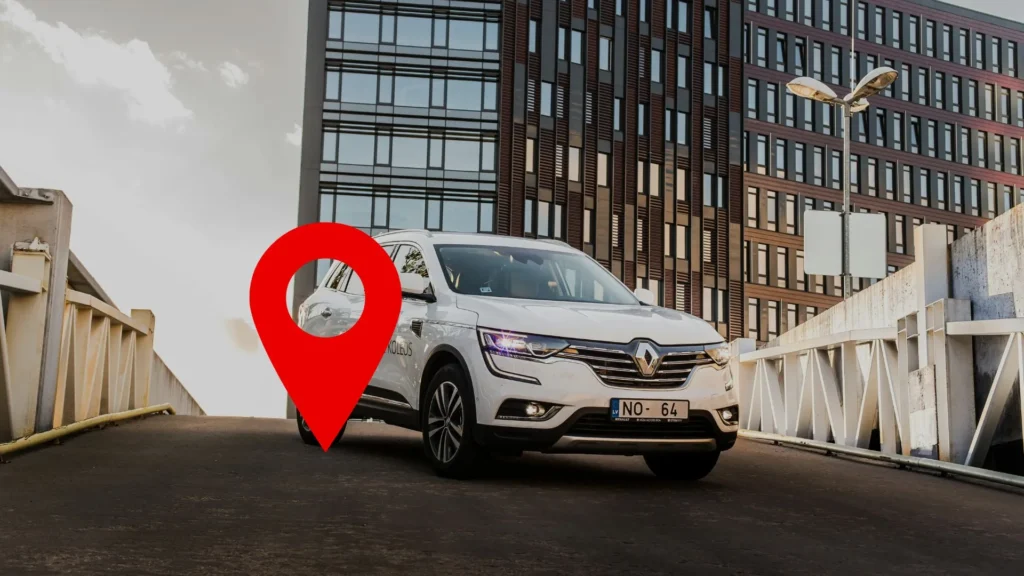
This paper defines vehicle tracking system, details its functionality, why it is important, the functionality of a tracking system, advantages, industries it is used in, and the process of selecting an appropriate system.
What is Vehicle Tracking System?
A vehicle tracking system is an intelligent technology that is based on using GPS, telematics, sensors, and mobile networks to monitor the real-time whereabouts of a vehicle. It enables you to know at any given time where your car is and how it is being operated, how many hours it remains inactive, and even where there is any suspicious activity.
Imagine it as an online guardian to your car, it will be on top of it, reporting and keeping an eye on it.
These systems are widely used in:
- Cars
- Bikes
- Trucks
- School buses
- Corporate fleets
- Delivery vehicles
- Public transport
A complete vehicle tracking system typically includes:
- A GPS device is installed inside the vehicle
- A SIM/network module for sending data
- Sensors for safety and performance
- A mobile app or web dashboard for monitoring
How Vehicle Tracking System Works
Although the technology of tracking appears complicated, the process of work is extremely easy to comprehend.
Step 1: GPS Device Tracks Location
The device installed in the vehicle continuously receives signals from GPS satellites to determine:
- Location
- Speed
- Direction
- Movement patterns
Step 2: Data is Sent to the Server
The device then sends this information to a secure cloud server using 4G/5G mobile networks.
Step 3: Dashboard or App Shows Real-Time Updates
You can open the app on your phone or computer and instantly see:
- Where the vehicle is
- What route does it take
- Whether the engine is ON/OFF
- Any alerts (theft, overspeed, towing, low battery, etc.)
This entire process happens almost instantly—within seconds.
Why Vehicle Tracking System are Important Today
The contemporary lifestyle requires security, transparency, and control. All three are achieved by the use of a vehicle tracking system.
Safety
The safety of vehicles is among the most important factors to families, businesses, and logistics companies. Tracing systems offer live tracking, emergency alarms, and theft insurance.
Cost Savings
Waste in fuel, misuse, or unauthorized flights may escalate costs. Tracking allows one to minimize unnecessary travel and enhance efficiency.
Productivity
The productivity of businesses with a vehicle tracking system is usually increased owing to optimization of routes, tracking the behaviour of drivers, and the execution of tasks in a short period.
Peace of Mind
Be it a school bus that your child is taking or be it a truck your employee is driving, it is always reassuring to know where they are in real-time.
Key Features of Vehicle Tracking System
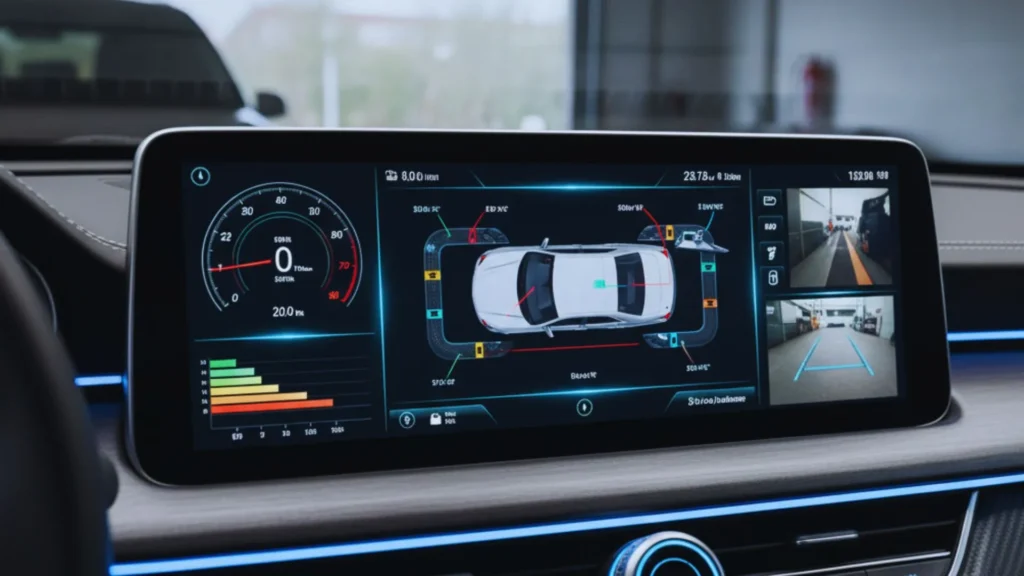
The modern systems are far more than the GPS tracking. They are fitted with sophisticated telematics and intelligent functions, which include:
1. Real-Time Location Tracking
View the position of your car on a live map that is updated after every few seconds.
2. Route History
Check the full travel history of each day, such as stops, speed, and time of travel.
3. Geo-Fencing
Establish virtual boundaries of certain areas.
You receive an immediate alert when the vehicle gets in or out of the zone.
4. Theft Protection, Anti-Tow Alerts.
You get notifications instantly in case someone attempts to tow, move, or steal the car.
5. Fuel Monitoring
The advanced tracking systems indicate the level of fuels, fuel theft, and fuel efficiency.
6. Driving Behaviour Monitoring
The system can detect:
- Harsh braking
- Sudden acceleration
- Sharp turns
- Overspeeding
This helps improve safety and reduce accidents.
7. Engine ON/OFF Alerts
You can see when the vehicle engine was switched ON or OFF—useful for businesses and personal tracking.
8. Maintenance Reminders
You get alerts for:
- Service due
- Oil change
- Tyre change
- Insurance renewal
9. SOS or Panic Button
In emergency situations, pressing the SOS button sends alerts to family members or the fleet manager.
Benefits of Vehicle Tracking System
1. Enhanced Safety
Tracking enables the instant execution in case the vehicle is in danger, an accident, or theft.
2. Reduced Fuel Costs and Operational Costs.
Optimal routes, minimized idling, and monitored driving behaviour lower the monthly fuel bills.
3. Prevents Misuse
You have the exact details of the location and use of the vehicle, which minimizes illegitimate journeys.
4. Quickened Response to Emergencies.
In case of an emergency, the owners or the rescue teams can find the vehicle immediately.
5. Better Fleet Management
Companies with multiple vehicles can easily:
- Assign jobs
- Track performance
- Monitor delivery timelines
- Improve coordination
6. Higher Customer Satisfaction
In the logistics and delivery industry, accurate tracking helps give customers real-time delivery updates.
7. Increased Productivity
Drivers follow planned routes and schedules, resulting in more timely deliveries and improved efficiency.
Types of Vehicle Tracking System
Not all systems are the same. They come in different types based on functions and needs.
1. Basic GPS Tracking
Shows live location and route history. Suitable for personal vehicles.
2. Advanced Telematics Tracking
Includes:
- Driving behavior
- Fuel monitoring
- Load monitoring
- Engine diagnostics
- Perfect for large fleets.
3. OBD Trackers
Plug-and-play devices that connect to the OBD port. Easy installation for small cars or bikes.
4. Hardwired Trackers
Installed permanently inside the vehicle for high security and continuous tracking.
5. Battery-Powered Trackers
Used for tracking:
- Assets
- Containers
- Construction machinery
- They work without needing vehicle power.
Industries that use Vehicle Tracking System
The application of vehicle tracking system is in various industries since they enhance safety, cost reduction, and productivity. The significant areas which these systems have a strong influence are as follows:
1. Logistics & Transportation
It is the largest industry that practices vehicle tracking system.
Companies Track:
- Trucks
- Containers
- Long-route vehicles
- Cargo movement
Tracking assists them in saving on the costs of fuel, route planning, and deliveries on time.
2. Delivery & Courier Services
Companies that utilize tracking to include:
- Monitor delivery vehicles
- Give customers live customer updates.
- Improve delivery time
- Reduce delays
3. School and Educational Institutes.
Tracking is used in schools for the safety of the students.
Tracking systems assist parents and schools:
- Real-time school bus position.
- Get alerts during delays
- Get notifications about the emergencies.
4. Car Rental & Ride-Hailing Companies
Tracking is used in cab companies and rental services to:
- Monitor trips
- Prevent vehicle misuse
- Ensure driver safety
- Track fuel and maintenance
5. Corporate & Employee Fleets
Big organisations monitor employee vehicles, shuttle vans and service vehicles to:
- Manage routes
- Monitor attendance and travel consumption.
- Improve accountability
- Reduce fuel wastage
6. Construction & Heavy Equipment
Tracking of machines used by construction companies includes:
- Excavators
- Loaders
- Bulldozers
- Cranes
Tracking eliminates theft and makes sure that machines are put to their right use.
7. Public Transport
Tracking of buses, taxis, and transport services is used to:
- Improve passenger safety
- Give real-time location to tourists.
- Monitor driver behaviour
8. Cold Chain & Refrigerated Transport
Very crucial to other industries such as food and pharmaceuticals.
Tracking helps monitor:
- Temperature
- Route
- Delivery time
This eliminates spoilage and ensures quality.
9. Emergency Services
Ambulance, fire truck, and police vehicles track with the aim of:
- Reach locations faster
- Optimize routes
- Organise in times of crisis.
10. Personal Vehicle Owners
Even people are usinga vehicle tracking system to:
- Theft protection
- Real-time updates
- Chauffeurs/family drivers Driver (family) monitoring.
How Vehicle Tracking System Improve Security
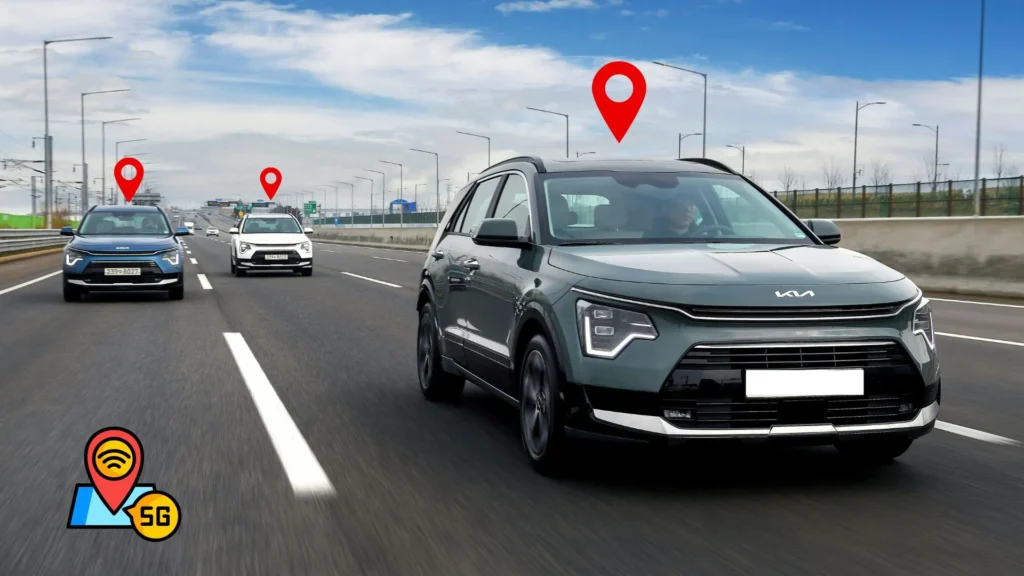
Vehicle tracking system contribute significantly to securing cars against theft, abuse and accidents. They become a 24/7 digital security guard that keeps a vigil on the vehicle and is able to send alerts whenever there is some sort of aberration. The way they improve security is in the following:
1. Real-Time Location Tracking
Live location tracking is the most significant security option.
At any moment, you can see:
- Where your vehicle is
- Whether it’s moving or parked
- Which route is it taking
This assists you in the prompt detection of suspicious activity.
2. Theft Prevention Alerts
Should an individual attempt to steal, tow, or forcefully move the vehicle, the system will automatically alert one like:
- Vibration alert
- Tow alert
- Ignition ON alert
- Illegal movement notification.
This provides the ability to act fast before the vehicle is driven off.
3. Remote Engine Immobilization
Most of the present-day tracking systems have engine lock options.
In case the vehicle is stolen, the owner can use the mobile application to disable the engine remotely.
This renders any additional movement of the vehicle impossible, which is likely to make it easier to be recovered.
4. Geo-Fencing for Safety
You are able to draw boundary lines in the map virtually.
When the car gets in or out of these areas, a notification appears immediately.
Useful for:
- Children’s school buses
- Delivery vehicles
- Company fleets
- Personal vehicles
Geo-fencing assists in ensuring that the vehicle remains in the safe zones.
5. Driver Behaviour Monitoring
Security risk is also unsafe driving.
Tracking systems monitor:
- Overspeeding
- Harsh braking
- Sharp turns
- Sudden acceleration
These warnings make owners correct risky driving behaviors.
In the case of business, it makes the driver, as well as the vehicle, safe.
6. Emergency (SOS) Alerts
The driver is in a position to press a panic/SOS button in case of an accident or an emergency.
This sends immediately a distress message to:
- Family
- Fleet managers
- Emergency teams
This rapid communication has the potential to save lives and minimise accidents.
7. 24/7 Monitoring & History Playback
You are always being monitored by the system even when you are asleep or when you are away.
Using route history, you have a chance to review:
- Suspicious routes
- Abnormal movements in the late-night.
- Unauthorized usage
This enhances accountability and security.
8. Tamper Alerts
In case one attempts to extract, destroy, or interfere with the GPS device, the system will provide an immediate notification.
This will make the tracker incapacitated to the criminals.
9. Faster Recovery of Stolen Vehicles
Since the system indicates the precise live position, the police are able to retrieve stolen cars at a much higher speed.
Real-time tracking helps in solving many cases of stolen cars and bikes in a shorter time.
10. Safety for Family & Employees
The people in the vehicle are also safe with the vehicle tracking system, and not the vehicle.
You can monitor:
- Chauffeur-driven cars
- Elderly parents travelling
- Children in school buses
- Workers in corporate cars.
This guarantees further human safety.
How Businesses Grow Faster with a Vehicle Tracking System
A vehicle tracking system is not only a system that indicates the position of a vehicle however, vehicle tracking system also assists businesses to save their finances, enhance efficiency, boost customer satisfaction, and make better decisions. Companies that employ the use of tracking technology have a faster growth and performance within all departments. Here’s how:
1. Low Fuel and operational expenses.
One of the highest costs of the business that relies on vehicles is fuel.
The vehicle tracking systems are used to minimize fuel consumption by:
- Reducing superfluous idling.
- Eliminating unauthorized trips.
- Optimizing routes
- Identifying fuel theft
The decreased fuel costs lead to increased profitability of the business.
2. Improved Delivery Speed and Efficiency
- Real-time tracking allows:
- Better route planning
- Avoiding traffic delays
- Delegation of the closest vehicle to employment.
This enhances the time of delivery, makes services faster, and businesses can deal with more work within a day.
3. Increased Productivity
Through tracking, the managers will be able to observe the use of vehicles throughout the day.
This helps reduce:
- Idle time
- Unplanned breaks
- Misuse of company vehicles
This makes work end up being done faster and more efficiently.
4. Enhanced Customer Satisfaction
The customers want to be served fast and correctly updated.
The tracking systems enable a business to:
- Share the live location of deliveries.
- Provide accurate ETA
- Offer faster response times
The increased customer satisfaction results in increased repeat business and enhanced trust.
5. Better Driver Discipline and Safety
Categories of driving behaviour that are monitored by the tracking systems include:
- Harsh braking
- Overspeeding
- Sudden acceleration
This will make the drivers adopt responsible and safe driving behaviors.
Safer driving reduces:
- Accidents
- Vehicle damage
- Insurance claims
This ends up saving money and enhancing the reliability of the business.
6. Smart Data-Driven Decisions
Tracking systems produce such valuable information as:
- Travel time
- Fuel usage
- Vehicle health
- Driver performance
This data can be analysed by businesses to:
- Improve operations
- Set better schedules
- Track vehicle performance
- Find cost reduction opportunities.
- Good decisions = expedited growth.
7. Prevents Theft and Provides Asset Security
Stealing is a significant loss to companies that have vehicles and goods that are of high value.
This is discouraged using tracking systems, which provide:
- Anti-theft alerts
- Geo-fencing
- Remote engine lock
- Real-time monitoring
This provides absolute dominance of company assets.
8. Lower Maintenance Costs
Systems are able to track the health of the vehicles and provide alerts about:
- Service due
- Oil change
- Battery health
- Engine issue detection
Routine maintenance minimizes the cost of repair and increases the life of a vehicle.
9. Handles More Jobs with the Same Fleet
Due to an improved planning system, it is possible to deliver more or services calls using the same number of vehicles.
This implies increased revenue, but the cost of operation is not raised.
10. Smooth Coordination Across Teams
The vehicle tracking system assists the managers in coordinating with:
- Drivers
- Dispatch teams
- Customers
- Operations staff
Working together enhances efficiency and minimizes mistakes in the workplace.
Choosing the Right Vehicle Tracking System
The choice of the appropriate vehicle tracking system (VTS) is critical to the fullest benefits of its usage, be it in the case of individual uses or the organization of a business fleet. The following are the main factors to be considered, and a piece of advice on how to go about making an informed decision.
1. Define Your Objectives
But ask yourself before you can even begin to compare systems:
- What would I like to accomplish with tracking? (Theft prevention, route optimization, driver behaviour, cost saving, compliance…
- How number of vehicles do I have to monitor? (1 car, 10 trucks, a vast fleet)
- How many years will I be using this system? The investment is a long-term contract with a short duration; 10 years with a 3-month term.
- How much can I afford in hardware and monthly subscription or data plans.
By having a clear idea of what you want to accomplish, you will be able to select a system that will suit your needs.
2. Tracking Accuracy & Real-Time Updates
A potential vehicle tracking system must offer:
- Accurate GPS positioning: The gadget is supposed to provide you with good location readings.
- Frequent updates: According to your need: In case fleet optimization is a key objective, you can have updates every few seconds; in case your primary objective is theft-prevention, less frequent updates can be sufficient, but real-time notifications are essential.
- Consistent connectivity: Make sure that the system can transfer the data reliably with the help of cellular networks (3G/4G/5G).
These will impact the usefulness of the system in the real world.
3. Type of Tracking Device
Tracking devices are of various types – select the one that suits your purpose:
- Hardwired Trackers: This is permanently fitted in the vehicle. Additionally, it is very reliable and difficult to tamper with. Ideal for fleet vehicles.
- OBD Plug-in Trackers: Plug in the vehicle’s OBD-II port. It is easy to install, and it fits cars and light vehicles.
- Battery-Powered Trackers: Ideal in cases when the asset does not have a power source, or the vehicle is not used regularly.
- Solar- or External-Powered Devices: These are applicable to trailers, heavy machinery or when you would like to have minimal maintenance.
4. Connection and Network Support.
Ensure that the device is compatible with the appropriate network connection:
- Cellular (2G/3G/4G/5G): To transmit live information.
- Wi-Fi or Bluetooth (optional): Sometimes handy in terms of local data transfer or economy.
- Backup Communication: Fallback mechanisms, in case the primary connectivity fails, are available on some devices (e.g., store-and-forward feature).
The other thing to look at is whether the system provider has local SIMs/data plans in case you plan to use it in a particular country or region.
5. Software Dashboard Features.
The interface (mobile application, web dashboard) is where you will be interacting with all your data. Key features to evaluate:
- Simple user interface: Simple to comprehend dashboards are essential to non-technical users.
- Live map: To track live.
- Geo-fencing & notifications: Develop geo-fences and receive notifications when a vehicle is switched in or out.
- History of route/playback: View the historical route of vehicles, their stoppage duration, the speed, etc.
- Analytics of driver behavior: Reports based on harsh braking, overspeed, idle time, etc.
- Service notices: A message when it is time to service the vehicle, or depending on the number of miles covered.
- Custom reports: Can export data in Excel, PDF, or custom format.
- User management: It allows assigning varying access privileges (e.g., managers, drivers, admins).
6. Security Features
In cases where enhancing security is the concern, look at systems that provide:
- Theft detection: Tow detection, Vibration detection, Iand gnition detection.
- Engine immobilization: engine cut-off remotely in case of theft.
- Tamper detection: Notification in case one opens or tampers with the tracking device.
- SOS / Panic button: In-car emergency.
- Safe data: Data encryption during transmission and storage to avoid hacking.
7. Maintenance & Reliability
- Quality of hardware: Put money into the hardware of a reputable provider. Inexpensive trackers could break down or provide wrong data.
- Warranty and durability: As long as the warranty, it can resist difficult conditions (vibration, heat, humidity).
- Service & Support: The vendor is expected to be a good customer, have good installation support, and a service network in your area.
- Battery Life (where present): In battery-powered devices, ensure that the devices are able to have long battery life or powerful power storage.
8. Cost Structure
Know the initial, as well as the recurring expenses:
- Cost of device: What is the cost of the hardware?
- Installation cost: Does it have a one-time cost of installation?
- Subscription fee: Monthly or annual subscription to data and software?
- SIM/data cost: Does subscription come with SIM, or would you have to manage this separately?
- Additional charges: Be aware of activation charges, cancellation charges, or excessive data usage charges.
It is crucial to compare the total cost of ownership (TCO) – it does not necessarily imply that a cheap device with a high monthly payment is a good offer.
9. Scalability
In case your business tends to expand, you would prefer a system with easy scaling:
- Will it be possible to add additional vehicles in the future without a massive expense?
- Is it able to add users or roles to the platform?
- How will the system react when you increase to 100 vehicles or more?
Scalable systems are economical and time-saving in the long term.
10. Compliance and Regulations
Depending on the location, there may be legal or regulatory requirements:
- Data privacy laws: Be assured that the system provider is in observance of local data privacy policies.
- Transport/logistics regulations: Several businesses (such as interstate transport) could be mandated with regard to tracking and reporting.
- Insurance incentives: certain insurers will offer discounts in case you use some of the vehicle tracking system; verify whether this system qualifies.
11. User Training and Onboarding.
- Ease of use: The system must be user-friendly such that drivers and managers can use it without undergoing a long technical training.
- Training support: The vendor must offer support, training materials or user manuals or onboarding.
- Change management: Implementation of a tracking system can necessitate a shift in the work signals of drivers and staff members – organize the communication and training.
12. Vendor Reputation and Reviews.
Your research concerns the company that sells the tracking system:
- Review and case studies of other consumers (particularly in your business).
- Request a demo or trial: A lot of good vendors allow you to trial their system, and then you can commit.
- Reference Check: Where possible, see existing clients to see what is happening in the field.
Future of Vehicle Tracking System
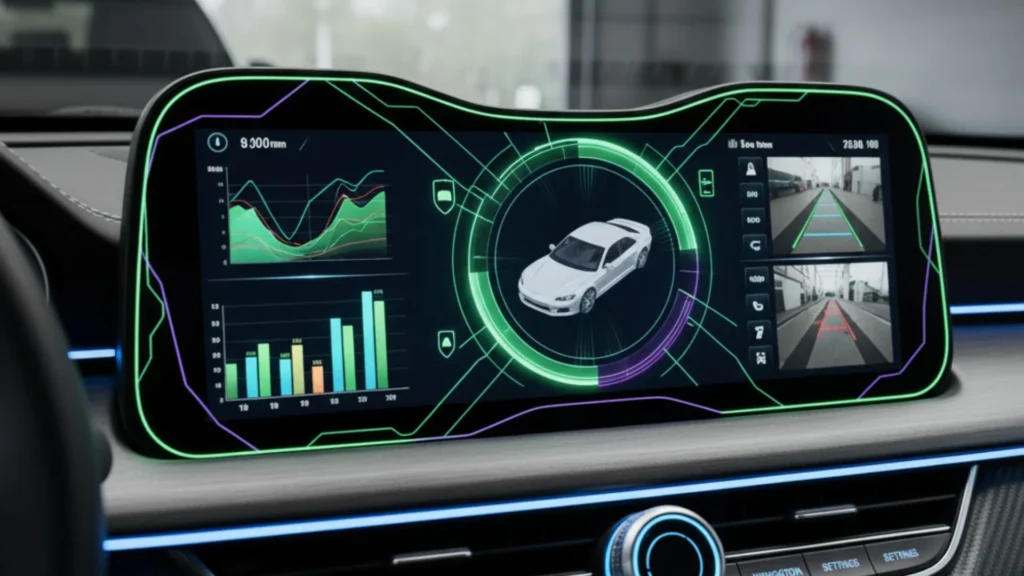
Technology is growing fast, and vehicle tracking system are becoming smarter with every update. Future advancements include:
- AI-based predictive maintenance
- Fuel and electric battery health monitoring
- Driver score-based insurance
- Advanced sensors
- Autonomous fleet management
- Integration with EV charging networks
In the coming years, vehicle tracking system will become a core technology for all vehicles—not just fleets but personal users too.