
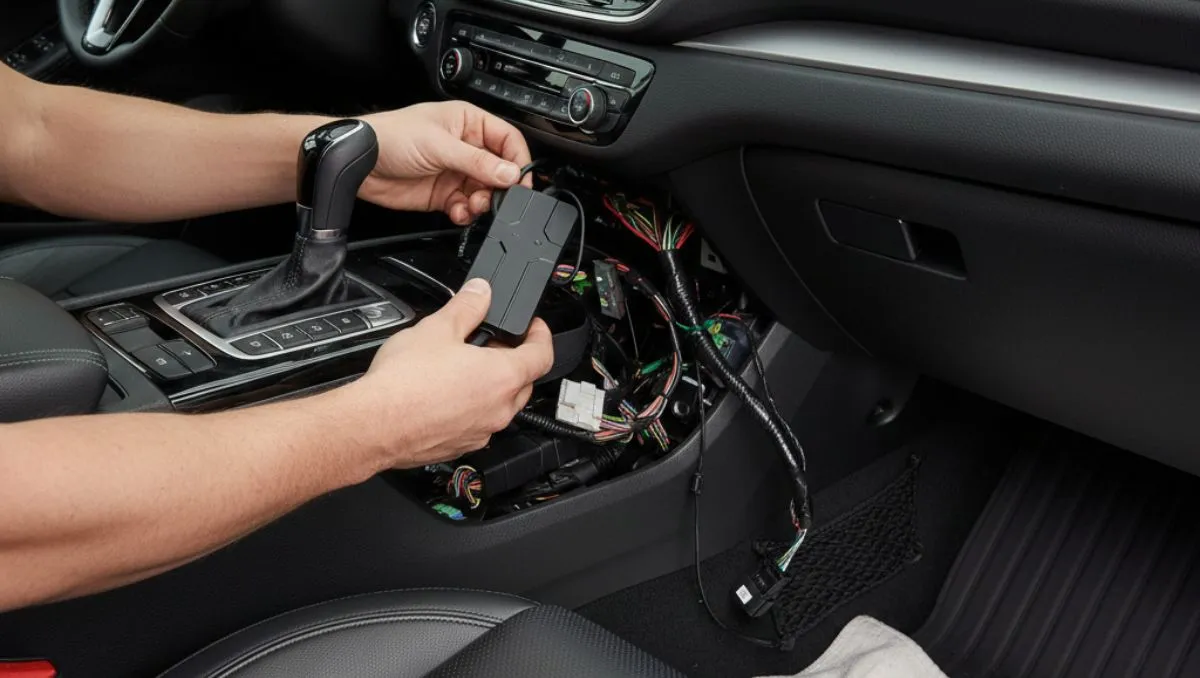
Introduction: How to Use a GPS Tracking Device
In today’s fast-moving digital world, vehicle safety and real-time monitoring have become essential for individuals and businesses alike. Whether you want to secure your personal car, monitor a school bus, manage a fleet of trucks, or track valuable assets, learning how to use a GPS tracking device can give you complete control and peace of mind.
A GPS tracking device works using the Global Positioning System (GPS), a satellite-based navigation system originally developed by the United States Department of Defense. Today, this technology is widely used across the globe for transportation, logistics, security, and fleet management. When you use a GPS tracking device, it connects to satellites, calculates the exact location of your vehicle or asset, and sends that data to a mobile app or web dashboard through a cellular network.
Understanding how to use a GPS tracking device properly is important to get maximum benefits. It is not just about installing the device inside your vehicle; it also involves activating the SIM card, configuring network settings, connecting to the tracking software, and monitoring real-time reports. When used correctly, a GPS tracker helps you monitor live location, track route history, receive instant alerts, and improve overall vehicle security.
For businesses, using a GPS tracking device can reduce fuel costs, improve driver discipline, prevent misuse of company vehicles, and enhance operational efficiency. For personal users, it adds an extra layer of protection against theft and allows family members to stay informed about vehicle movements.
With advancements in technology, modern GPS tracking systems now offer features such as geo-fencing, overspeed alerts, ignition status monitoring, and detailed analytics reports. This makes it easier than ever to use a GPS tracking device for both personal and commercial purposes.
In this comprehensive guide, you will learn everything you need to know about how to use a GPS tracking device effectively—from installation and activation to advanced features and best practices. By the end, you will clearly understand how GPS tracking technology can improve safety, efficiency, and control in your daily operations.
What Is a GPS Tracking Device?
To understand how to use a GPS tracking device, it is first important to know what it actually is and how it functions. A GPS tracking device is a compact electronic unit that uses the Global Positioning System (GPS) to determine the precise location of a vehicle, person, or asset in real time. This technology relies on a network of satellites orbiting the Earth, originally developed and maintained by the United States Department of Defense, to provide accurate positioning data anywhere in the world.
When you use a GPS tracking device, it communicates with multiple GPS satellites to calculate latitude, longitude, speed, and direction. The device then transmits this information through a cellular network (using a SIM card) to a secure cloud-based server. Users can access this data through a mobile application or web-based dashboard, allowing them to monitor movement and location instantly.
A GPS tracking device is commonly installed in cars, trucks, bikes, school buses, delivery vehicles, and even heavy machinery. Some models are wired directly into the vehicle’s electrical system, while others are wireless and operate on rechargeable batteries. Regardless of the type, the main purpose remains the same: to provide real-time tracking and visibility.
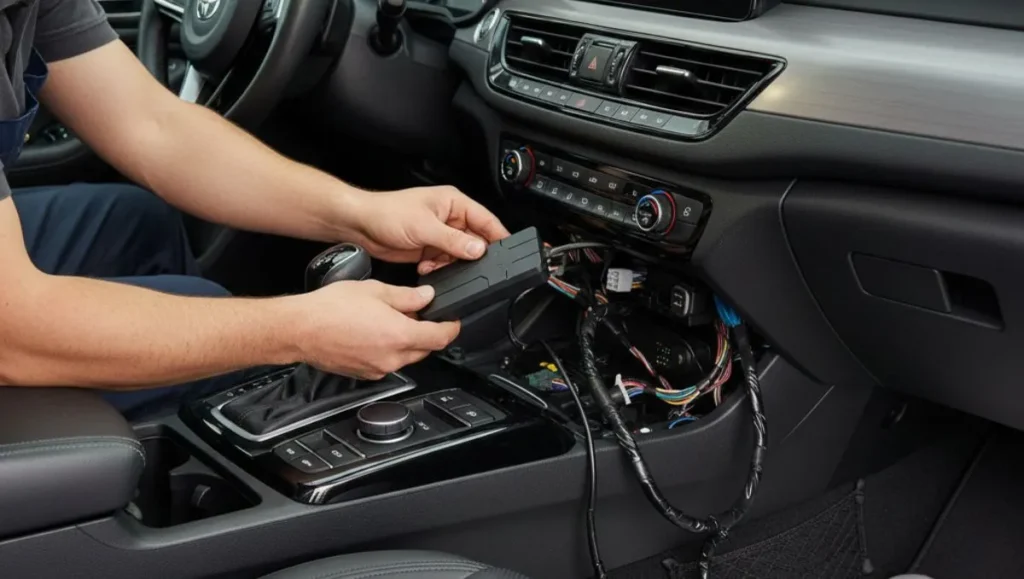
The primary reason people choose to use a GPS tracking device is for safety, security, and operational efficiency. Individuals use it to protect their personal vehicles from theft, while businesses rely on it to manage fleets, monitor driver behavior, and improve delivery performance. The device continuously collects location data and stores it for review, making it easier to analyze travel history and vehicle usage patterns.
Modern GPS tracking devices are designed with advanced technology that ensures high accuracy and reliable connectivity. With improvements in satellite communication and mobile networks, it has become easier than ever to use a GPS tracking device for both personal and commercial purposes.
Step-by-Step Guide to Use a GPS Tracking Device
If you want to properly use a GPS tracking device, it is important to understand the complete setup and configuration process. Whether you are tracking a personal vehicle, managing a fleet, or securing valuable assets, following the correct steps ensures accurate real-time monitoring and maximum performance.
A GPS tracking device works using the Global Positioning System, originally developed by the United States Department of Defense, to determine precise location coordinates. When installed and configured correctly, it allows users to monitor live movement, route history, and vehicle activity through a mobile app or web platform.
Below is a detailed, SEO-friendly, step-by-step guide to help you successfully use a GPS tracking device.
Step 1: Choose the Right GPS Tracking Device
Before you use a GPS tracking device, select the appropriate model based on your needs.
There are generally three main types:
- Wired GPS Tracker – Installed directly into the vehicle’s electrical system.
- Wireless GPS Tracker – Battery-operated and portable.
- OBD GPS Tracker – Plug-and-play device inserted into the vehicle’s OBD port.
For fleet businesses, wired trackers are often preferred. For personal use, wireless or OBD trackers are convenient.
Step 2: Insert and Activate the SIM Card
To use a GPS tracking device, you must insert an active SIM card with a data plan.
Make sure:
- The SIM card has internet data enabled.
- SMS service is active.
- PIN lock is disabled.
The SIM card allows the device to transmit location data to the server.
Step 3: Configure APN and Server Settings
After inserting the SIM card, configure the APN (Access Point Name) settings according to your telecom provider.
You may need to:
- Set APN name
- Enter server IP address
- Configure port number
Proper configuration ensures that the device communicates smoothly with the tracking platform.
Step 4: Install the GPS Tracking Device
Installation depends on the device type.
✔ For Wired GPS Tracker:
- Connect to vehicle battery (positive and negative wires).
- Connect ignition wire (if required).
- Hide the device securely inside the dashboard.
✔ For Wireless GPS Tracker:
- Fully charge the battery.
- Place the device in a concealed location.
- Ensure it has a clear signal path.
✔ For OBD GPS Tracker:
- Plug it directly into the vehicle’s OBD port.
- Ensure it fits securely.
Proper installation is essential to accurately use a GPS tracking device.
Step 5: Download and Install the Tracking App
To use a GPS tracking device effectively, download the official tracking application provided by your service provider.
You can access tracking data through:
- Android app
- iOS app
- Web-based dashboard
Install the app and log in using the provided device ID and password.
Step 6: Activate the Device
After installation:
- Turn on the GPS tracker.
- Wait for GPS and GSM signal indicators.
- Check the live location in the app.
If the location appears accurately on the map, your device is successfully activated.
Step 7: Set Tracking Preferences
When you use a GPS tracking device, you can customize settings such as:
- Real-time update interval (10 sec, 30 sec, 1 min, etc.)
- Geo-fence zones
- Overspeed alerts
- Ignition alerts
- Idle time alerts
Setting these preferences improves monitoring efficiency.
Step 8: Monitor Real-Time Tracking
Once everything is set up, you can now fully use a GPS tracking device to:
- View live vehicle location
- Track travel routes
- Monitor speed
- Check stop duration
- Review trip history
The dashboard provides complete visibility and control.
Step 9: Generate Reports and Analytics
Most GPS tracking platforms offer detailed reports such as:
- Daily distance reports
- Speed reports
- Driver behavior reports
- Route analysis
- Fuel usage reports (advanced systems)
Businesses can use these reports to improve productivity and reduce operational costs.
Step 10: Perform Regular Maintenance
To continuously use a GPS tracking device without issues:
- Keep SIM data plan active
- Recharge battery (for wireless trackers)
- Check wiring connections
- Update software regularly
Regular maintenance ensures accurate and uninterrupted tracking.
Troubleshooting Tips
If you face issues while trying to use a GPS tracking device:
- Move vehicle to an open area if GPS signal is weak.
- Check SIM recharge if device shows offline.
- Restart the device if location appears incorrect.
Simple troubleshooting can quickly resolve most problems.
Key Features When You Use a GPS Tracking Device
In India’s fast-growing transportation and logistics sector, more individuals and businesses are choosing to use a GPS tracking device for better vehicle security, fleet management, and operational control. From metro cities like Mumbai and Delhi to tier-2 and rural areas, GPS tracking technology is becoming essential for cars, trucks, school buses, taxis, and commercial fleets.
Modern GPS tracking devices operate using the Global Positioning System, developed by the United States Department of Defense, combined with Indian cellular networks such as 4G and emerging 5G services. When properly installed and configured, these devices offer powerful features specifically beneficial for Indian road conditions and business needs.
Below is a detailed explanation of the key features you get when you use a GPS tracking device in India.
1. Real-Time Live Location Tracking Across India
One of the most important reasons businesses and car owners in India use a GPS tracking device is real-time tracking.
This feature allows you to:
- Track vehicles live on Google Maps integration
- Monitor vehicles traveling across states
- Get location updates even on highways and rural routes
- Manage intercity logistics smoothly
For logistics companies operating between states like Maharashtra, Gujarat, Karnataka, and Tamil Nadu, real-time tracking ensures smooth coordination and timely delivery.
2. AIS-140 Compliance (Important for India)
In India, commercial vehicles such as school buses, public transport, and certain transport vehicles must follow AIS-140 norms (Automotive Industry Standard).
When you use a GPS tracking device that is AIS-140 compliant, you get:
- Government-approved tracking system
- Panic/SOS button integration
- Real-time tracking as per transport authority rules
- Emergency response support
This is especially important for school transport and passenger vehicles.
3. Geo-Fencing for Indian Business Locations
Geo-fencing is extremely useful for Indian businesses operating warehouses, factories, or delivery hubs.
When you use a GPS tracking device, you can:
- Create virtual boundaries around godowns or offices
- Get alerts when vehicles enter or leave a location
- Prevent unauthorized usage
- Monitor vehicle movement during working hours
For e-commerce and courier services in India, geo-fencing improves operational control.
4. Overspeed Alerts for Highway Safety
India has many national highways and expressways where overspeeding is common.
When you use a GPS tracking device, you can:
- Set speed limits as per Indian road rules
- Receive instant overspeed alerts
- Improve driver accountability
- Reduce accident risks
Fleet owners can enforce safe driving practices across cities and highways.
5. Ignition On/Off and Idle Time Monitoring
Fuel costs in India are high, which makes fuel management very important.
When you use a GPS tracking device, you can monitor:
- Engine start and stop timing
- Excessive idle time
- Unauthorized vehicle usage
- After-hours driving
This feature helps businesses reduce fuel wastage and improve profitability.
6. Route Optimization for Indian Traffic Conditions
Indian cities often face heavy traffic congestion.
When businesses use a GPS tracking device, they can:
- Analyze route history
- Identify traffic-prone areas
- Optimize delivery routes
- Reduce travel time
This is especially useful for delivery companies, food aggregators, and logistics providers operating in metro cities.
7. Theft Protection in High-Risk Areas
Vehicle theft is a concern in many parts of India.
When you use a GPS tracking device, you can:
- Track stolen vehicles in real time
- Share location details with police
- View last parked location
- Remotely disable engine (if supported)
This significantly increases recovery chances.
8. SOS Emergency Feature for Safety
Safety is a growing priority in India, especially for school children and women passengers.
When you use a GPS tracking device with an SOS button:
- Emergency alerts are sent instantly
- Location is shared with predefined contacts
- Quick action can be taken
This feature is mandatory in many commercial transport vehicles under Indian regulations.
9. Detailed Reports for Indian Fleet Businesses
Fleet operators in India benefit from detailed reporting features.
When you use a GPS tracking device, you can generate:
- Daily running reports
- Kilometer tracking reports
- Fuel usage summaries
- Driver performance reports
- State-wise vehicle movement data
These reports help businesses reduce operational costs and improve efficiency.
10. Mobile App & Cloud Access Anywhere in India
Modern GPS tracking systems offer:
- Android app access
- iOS app support
- Web dashboard login
- Cloud-based data storage
This allows fleet owners to monitor vehicles from anywhere in India, whether they are in the office or traveling.
11. Multi-Vehicle Fleet Monitoring
For transport companies operating multiple vehicles, you can use a GPS tracking device system to:
- Monitor all vehicles from a single dashboard
- Assign drivers to vehicles
- Track trip completion status
- Manage dispatch operations
This improves productivity and coordination.
Benefits of Using a GPS Tracking Device
In today’s fast-paced transportation and logistics environment, more individuals and businesses are choosing to use a GPS tracking device for improved safety, monitoring, and operational efficiency. Whether it is for personal vehicle security or fleet management, GPS tracking technology offers multiple advantages that go beyond simple location tracking.
A GPS tracking device works through the Global Positioning System, originally developed by the United States Department of Defense, which allows accurate real-time positioning anywhere in the world. When you use a GPS tracking device correctly, it becomes a powerful tool for control, transparency, and cost management.
Below are the major benefits explained in detail.
1. Enhanced Vehicle Security
One of the biggest reasons people use a GPS tracking device is to protect their vehicles from theft.
With real-time tracking, you can:
- Monitor the exact live location of your vehicle
- Receive alerts if unauthorized movement is detected
- Track stolen vehicles instantly
- Share location details with authorities
This significantly increases the chances of recovery and provides peace of mind.
2. Real-Time Location Monitoring
When you use a GPS tracking device, you get instant access to live location updates through a mobile app or web dashboard.
This helps you:
- Track vehicle movement 24/7
- Monitor long-distance travel
- Manage delivery vehicles efficiently
- Stay updated on arrival and departure times
Real-time monitoring improves coordination and reduces uncertainty.
3. Improved Driver Discipline
For businesses managing fleets, driver behavior directly impacts safety and fuel consumption.
When companies use a GPS tracking device, they can:
- Monitor overspeeding
- Detect harsh braking or rapid acceleration
- Track unnecessary idle time
- Ensure adherence to assigned routes
This promotes responsible driving and reduces accident risks.
4. Reduced Fuel Costs
Fuel is one of the largest operational expenses for fleet owners.
When you use a GPS tracking device, you can:
- Monitor route efficiency
- Reduce idle engine time
- Prevent unauthorized trips
- Analyze fuel consumption patterns
Optimized routes and better monitoring lead to noticeable fuel savings.
5. Increased Operational Efficiency
Businesses that use a GPS tracking device gain better control over daily operations.
Benefits include:
- Faster dispatch management
- Accurate delivery timelines
- Route optimization
- Reduced manual tracking work
This improves overall productivity and customer satisfaction.
6. Accurate Route History and Reporting
Another important advantage when you use a GPS tracking device is access to detailed historical data.
You can review:
- Past travel routes
- Distance covered
- Stop duration
- Trip summaries
This data helps in performance evaluation and planning future operations.
7. Geo-Fencing for Better Control
Geo-fencing allows you to set virtual boundaries around specific areas.
When you use a GPS tracking device with geo-fencing:
- You receive alerts when a vehicle enters or exits a defined zone
- You can restrict vehicles to specific operational areas
- You can monitor warehouse or office entry and exit times
This improves security and operational monitoring.
8. Better Customer Service
In industries like logistics, transportation, and delivery services, customers expect timely updates.
When businesses use a GPS tracking device, they can:
- Provide accurate estimated arrival times (ETA)
- Share live tracking links
- Respond quickly to delays
This builds trust and improves brand reputation.
9. Emergency Support and Safety
Many GPS tracking devices include emergency features such as SOS alerts.
When you use a GPS tracking device with emergency functionality:
- Instant alerts are sent during emergencies
- Location details are shared immediately
- Quick response becomes possible
This enhances safety for drivers and passengers.
10. Asset and Equipment Protection
GPS tracking is not limited to vehicles.
When you use a GPS tracking device, you can also monitor:
- Construction equipment
- Rental machinery
- High-value assets
- Cargo shipments
This prevents loss, misuse, or unauthorized relocation.
11. Better Decision-Making Through Data
Modern GPS tracking systems provide detailed analytics and reports.
When businesses use a GPS tracking device, they gain:
- Data-driven insights
- Performance analysis
- Cost optimization strategies
- Long-term operational planning support
Data transparency leads to smarter business decisions.
12. Peace of Mind for Personal Users
For individual vehicle owners, the biggest benefit when you use a GPS tracking device is peace of mind.
You always know:
- Where your vehicle is located
- Whether it is being used properly
- If any suspicious movement occurs
This adds an extra layer of safety and control.
Where Can You Use a GPS Tracking Device?
In today’s technology-driven world, more individuals and businesses are choosing to use a GPS tracking device for better monitoring, safety, and operational control. GPS tracking technology works through the Global Positioning System, developed by the United States Department of Defense, which allows accurate real-time location tracking anywhere with satellite coverage.
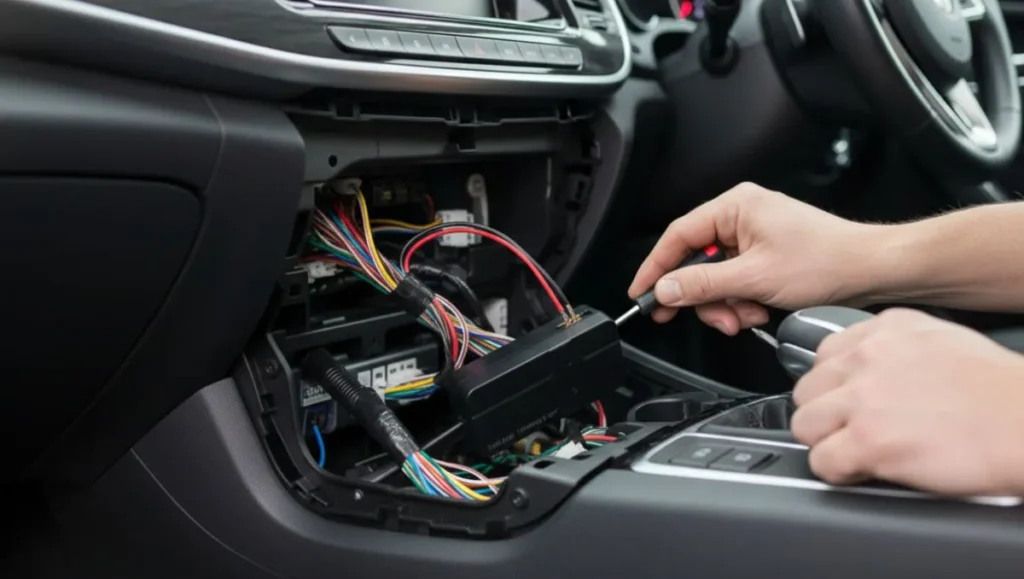
But many people still ask: Where exactly can you use a GPS tracking device?
The answer is simple — GPS tracking devices can be used in multiple industries and personal applications. Below is a detailed explanation of the most common and effective use cases.
1. Personal Vehicles (Cars and Bikes)
One of the most common places to use a GPS tracking device is in personal vehicles.
Car and bike owners use GPS trackers to:
- Monitor real-time location
- Protect against theft
- Track family vehicle usage
- Receive movement alerts
If a vehicle is stolen, the live tracking feature increases recovery chances. For families, it also provides peace of mind when loved ones are traveling.
2. Fleet Management Companies
Fleet operators widely use a GPS tracking device to manage multiple vehicles efficiently.
This includes:
- Logistics companies
- Transport businesses
- Taxi services
- Courier companies
Fleet managers can monitor all vehicles from a single dashboard, track route efficiency, reduce fuel costs, and improve delivery timelines.
3. School Buses and Passenger Transport
Educational institutions and passenger transport services use GPS tracking for safety.
When schools use a GPS tracking device in buses, they can:
- Monitor bus location in real time
- Ensure driver discipline
- Provide live tracking to parents
- Improve child safety
Many transport authorities also require GPS tracking for public vehicles.
4. Trucks and Long-Distance Transport
Long-haul trucks often travel across states or regions. Businesses use a GPS tracking device in trucks to:
- Monitor intercity travel
- Track delivery progress
- Prevent route deviations
- Reduce fuel misuse
Real-time monitoring helps companies maintain better supply chain control.
5. Rental and Leasing Vehicles
Car rental and vehicle leasing companies use GPS tracking to protect assets.
When they use a GPS tracking device, they can:
- Prevent unauthorized vehicle usage
- Track vehicle location at all times
- Monitor mileage
- Reduce theft risks
This ensures asset security and business stability.
6. Construction Equipment and Heavy Machinery
GPS tracking is not limited to cars and trucks. Businesses also use a GPS tracking device for:
- Excavators
- Cranes
- Bulldozers
- Agricultural machinery
Tracking heavy equipment prevents theft and misuse, especially at large project sites
7. Delivery and E-Commerce Vehicles
E-commerce and food delivery companies use GPS tracking devices to:
- Provide accurate estimated arrival times
- Optimize delivery routes
- Improve customer satisfaction
- Reduce delays
Real-time tracking enhances customer trust and operational transparency.
8. Government and Public Sector Vehicles
Government departments often use GPS tracking devices for:
- Municipal vehicles
- Public transport buses
- Emergency vehicles
- Utility service vehicles
This improves accountability and ensures better service management.
9. Asset and Cargo Tracking
Businesses dealing with high-value goods use a GPS tracking device to monitor cargo shipments.
This helps:
- Track container movement
- Prevent cargo theft
- Ensure timely delivery
- Monitor supply chain flow
Asset tracking reduces financial risk.
10. Emergency and Security Services
Emergency service providers use GPS tracking to improve response times.
When they use a GPS tracking device, they can:
- Locate nearest response vehicle
- Dispatch quickly
- Monitor patrol movement
- Ensure safety compliance
This improves public safety and operational efficiency.
11. Agricultural Applications
Farmers and agribusinesses use GPS tracking devices to:
- Track tractors and farm vehicles
- Monitor field operations
- Prevent equipment theft
Technology adoption in agriculture is growing rapidly.
Best Practices to Use a GPS Tracking Device Effectively
If you want to maximize the benefits when you use a GPS tracking device, simply installing it is not enough. Proper configuration, monitoring, and maintenance are essential to ensure accurate tracking, better performance, and long-term reliability.
A GPS tracking device works using the Global Positioning System, originally developed by the United States Department of Defense, and transmits location data through cellular networks to a cloud-based platform. To get the most value from this technology, you must follow certain best practices.
Below is a detailed guide to help individuals and businesses use a GPS tracking device effectively.
1. Choose the Right Device for Your Needs
Before you use a GPS tracking device, make sure you select the correct type:
- Wired GPS Tracker for commercial vehicles and fleets
- Wireless GPS Tracker for personal vehicles or temporary tracking
- OBD GPS Tracker for easy plug-and-play installation
Selecting the appropriate model ensures better performance and reduces technical issues.
2. Install the Device Properly
Proper installation is critical when you use a GPS tracking device.
For best results:
- Install in a hidden but signal-friendly location
- Avoid placing it under thick metal surfaces
- Ensure secure wiring connections (for wired trackers)
- Keep antennas positioned correctly
Incorrect installation can lead to weak GPS signals or inaccurate tracking.
3. Maintain a Stable Internet Connection
Since GPS trackers rely on cellular networks, always ensure:
- The SIM card has an active data plan
- SMS service is enabled
- Network coverage is strong in operating areas
Without stable connectivity, you cannot effectively use a GPS tracking device for real-time monitoring.
4. Configure Alerts and Notifications
One of the smartest ways to use a GPS tracking device effectively is to enable alerts.
Set up:
- Overspeed alerts
- Geo-fence entry/exit notifications
- Ignition on/off alerts
- Idle time alerts
- Low battery warnings
Proper alert configuration helps you stay informed without constantly checking the dashboard.
5. Optimize Tracking Interval Settings
Most GPS tracking systems allow you to adjust how frequently location updates are sent.
For example:
- 10–30 seconds for high-precision tracking
- 1–5 minutes for battery saving
Choose shorter intervals for fleet management and longer intervals for personal use to balance accuracy and cost.
6. Regularly Monitor Reports and Analytics
When businesses use a GPS tracking device, data analysis becomes important.
Review:
- Daily distance reports
- Speed reports
- Route deviation reports
- Idle time reports
- Fuel consumption data (if supported)
Consistent monitoring improves operational efficiency and reduces unnecessary expenses.
7. Keep the Device Updated
Software updates improve performance and security.
To effectively use a GPS tracking device:
- Update firmware when available
- Use the latest version of the mobile app
- Maintain secure login credentials
Updated systems provide better tracking accuracy and enhanced features.
Security is very important when you use a GPS tracking device.
8. Protect Login Credentials and Data
Best practices include:
- Change default passwords
- Use strong, unique passwords
- Restrict access to authorized users
- Enable two-factor authentication if available
This prevents unauthorized access and protects sensitive tracking data.
9. Perform Regular Maintenance Checks
Routine checks help avoid unexpected issues.
Make sure to:
- Inspect wiring connections
- Recharge wireless devices regularly
- Check SIM card validity
- Verify signal strength
Preventive maintenance ensures uninterrupted tracking performance.
10. Train Drivers and Staff
If you operate a fleet, educate drivers about GPS monitoring.
Explain:
- The purpose of tracking
- Safe driving expectations
- Compliance requirements
- Alert policies
Transparency improves cooperation and encourages responsible driving behavior.
11. Use Geo-Fencing Strategically
Geo-fencing is powerful when used correctly.
To use a GPS tracking device effectively:
- Set boundaries around warehouses or offices
- Monitor restricted areas
- Track entry and exit timings
Strategic geo-fencing improves control and reduces misuse.
12. Act Quickly on Alerts
Receiving alerts is not enough—you must respond promptly.
For example:
- Contact the driver during overspeed alerts
- Investigate unauthorized movement
- Respond immediately to SOS notifications
Quick action maximizes the safety benefits of GPS tracking.
Common Mistakes to Avoid When You Use a GPS Tracking Device
Many individuals and businesses invest in tracking technology to improve security and efficiency. However, simply installing a tracker is not enough. To properly use a GPS tracking device, you must avoid common mistakes that can reduce performance, accuracy, and reliability.
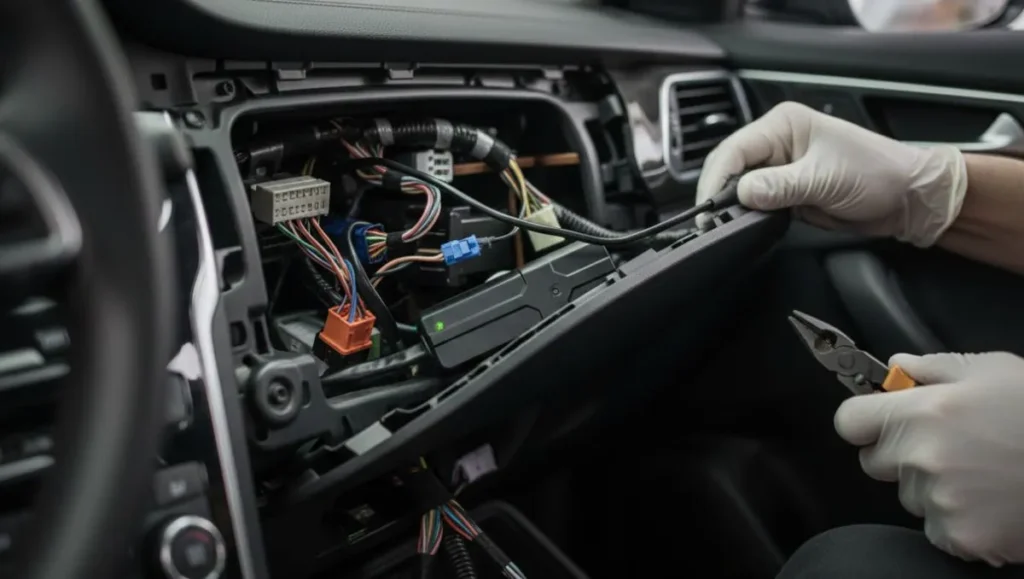
A GPS tracking device operates using the Global Positioning System, originally developed by the United States Department of Defense, and relies on cellular networks to transmit data. Even small errors in installation or configuration can affect its effectiveness.
Below are the most common mistakes to avoid when you use a GPS tracking device.
1. Incorrect Installation
One of the biggest mistakes people make when they use a GPS tracking device is improper installation.
Common installation errors include:
- Placing the device under thick metal surfaces
- Hiding it in areas with weak GPS signals
- Loose wiring connections (in wired devices)
- Blocking the antenna
Improper installation can cause weak signal reception or inaccurate location data. Always ensure the device has clear satellite access and secure placement.
2. Ignoring SIM Card and Data Plan Issues
A GPS tracker depends on a working SIM card with active data.
Mistakes include:
- Letting the data plan expire
- Not disabling SIM PIN lock
- Using a SIM without sufficient internet balance
- Poor network provider selection
If the SIM is inactive, you cannot effectively use a GPS tracking device for real-time monitoring.
3. Not Configuring Alerts Properly
Many users fail to configure important notifications.
When you use a GPS tracking device without enabling alerts, you may miss:
- Overspeed warnings
- Geo-fence entry/exit alerts
- Ignition on/off notifications
- SOS emergency signals
Without alerts, you lose one of the most powerful benefits of GPS tracking.
4. Setting Incorrect Tracking Intervals
Tracking intervals determine how frequently location updates are sent.
Common mistakes include:
- Setting extremely short intervals unnecessarily
- Using long intervals when high accuracy is needed
- Not balancing accuracy with battery life (for wireless devices)
To properly use a GPS tracking device, choose intervals based on your usage needs.
5. Neglecting Regular Monitoring
Installing a tracker but not reviewing data is another common mistake.
Some users:
- Ignore daily reports
- Do not check route history
- Fail to analyze driver behavior
- Overlook idle time reports
If you do not monitor the dashboard regularly, you cannot fully benefit when you use a GPS tracking device.
6. Weak Password and Security Practices
Security is critical when handling tracking data.
Mistakes include:
- Using default passwords
- Sharing login credentials publicly
- Not updating passwords regularly
To safely use a GPS tracking device, protect your login information and restrict access to authorized users only.
7. Not Updating Software or Firmware
Technology improves over time, and updates enhance performance.
Some users:
- Ignore firmware updates
- Use outdated mobile applications
- Skip system improvements
Keeping software updated ensures better accuracy and security.
8. Placing Wireless Devices Without Charging
For battery-operated trackers, poor battery management is a common issue.
Mistakes include:
- Forgetting to recharge
- Not enabling power-saving mode
- Ignoring low battery alerts
A dead battery makes it impossible to use a GPS tracking device effectively.
9. Not Informing Drivers (For Fleet Businesses)
In fleet management, transparency matters.
Some companies:
- Install tracking secretly
- Do not explain monitoring policies
- Fail to train drivers
Lack of communication can lead to mistrust and resistance. Proper training improves cooperation and discipline.
10. Expecting GPS to Work Indoors or Underground
GPS signals require open sky visibility.
Mistakes include:
- Expecting accurate tracking inside underground parking
- Using trackers in signal-blocked warehouses
- Assuming real-time tracking in low-network zones
Understanding technical limitations helps you use a GPS tracking device more realistically.
11. Ignoring Legal and Compliance Requirements
In some cases, tracking without consent may lead to legal complications.
To responsibly use a GPS tracking device:
- Inform employees if vehicles are monitored
- Follow local regulations
- Use tracking data ethically
Compliance protects your business reputation.
Is It Legal to Use a GPS Tracking Device?
Many individuals and businesses want to use a GPS tracking device for vehicle security, fleet monitoring, or asset protection. However, one common and important question arises: Is it legal to use a GPS tracking device?
The answer depends on how, where, and why the device is being used. GPS tracking technology operates through the Global Positioning System, developed by the United States Department of Defense, and allows real-time monitoring of location data. While the technology itself is legal, its usage must comply with privacy and data protection laws.
Let’s explore the legal aspects in detail.
Is It Legal to Use a GPS Tracking Device on Your Own Vehicle?
In most countries, it is completely legal to use a GPS tracking device on a vehicle that you own.
If you are the legal owner of the vehicle, you can:
- Install a GPS tracker
- Monitor real-time location
- Track travel history
- Use the device for theft protection
Using a GPS tracker for personal security or vehicle management is generally allowed.
Is It Legal for Businesses to Track Company Vehicles?
Yes, businesses can legally use a GPS tracking device in company-owned vehicles. However, transparency is very important.
Employers should:
- Inform employees that vehicles are being tracked
- Clearly explain the purpose of tracking
- Use the data only for operational and safety reasons
- Avoid monitoring outside working hours (if not required)
Tracking company vehicles for safety, route optimization, and fuel management is typically legal when done ethically and transparently.
Is It Legal to Track Someone Without Their Consent?
This is where legal concerns arise.
In most jurisdictions, it is illegal to:
- Install a GPS tracker on someone else’s vehicle without permission
- Secretly monitor a person’s movements
- Use tracking data for harassment or stalking
Before you use a GPS tracking device, you must ensure that you have legal ownership or proper authorization.
Unauthorized tracking can lead to:
- Criminal charges
- Legal penalties
- Privacy violation lawsuits
Consent and lawful ownership are key factors.
Data Privacy and Legal Responsibilities
When you use a GPS tracking device, you collect location data. Location data may be considered sensitive under data protection laws in many countries.
To remain compliant:
- Store tracking data securely
- Restrict access to authorized users
- Avoid sharing data without permission
- Follow local data protection regulations
Businesses especially must ensure proper data handling practices.
Special Regulations for Commercial Transport
In some regions, commercial transport vehicles such as school buses, taxis, and public transport vehicles are required to have approved tracking systems.
When companies use a GPS tracking device in regulated sectors, they must:
- Follow government compliance standards
- Install certified devices
- Ensure emergency alert features if required
Compliance varies by country and industry.
Legal Use in Personal vs. Commercial Context
Here is a simple breakdown:
✔ Legal:
- Tracking your own vehicle
- Tracking company-owned vehicles with employee awareness
- Using GPS for fleet management and security
❌ Illegal (in most cases):
- Tracking a spouse, partner, or employee without consent
- Installing a tracker on someone else’s vehicle secretly
- Using tracking for harassment or unlawful surveillance
When you properly use a GPS tracking device within legal boundaries, you protect:
Why Legal Compliance Matters
- Your personal safety
- Your business reputation
- Employee trust
- Customer confidence
Ignoring legal guidelines can result in serious consequences.
Conclusion: How to Use a GPS Tracking Device
Understanding how to properly use a GPS tracking device is essential for maximizing its benefits in both personal and commercial applications. From installation and configuration to monitoring and compliance, every step plays a vital role in ensuring accurate tracking, improved security, and operational efficiency.
A GPS tracking device works through the Global Positioning System, originally developed by the United States Department of Defense, allowing precise real-time location monitoring anywhere with satellite coverage. When combined with cellular connectivity and cloud-based software, it becomes a powerful tool for vehicle management and asset protection.
To successfully use a GPS tracking device, you must begin by selecting the right type of tracker—whether wired, wireless, or OBD-based—based on your specific needs. Proper installation is crucial to ensure strong GPS signals and uninterrupted performance. Once installed, configuring the SIM card, activating the device, and connecting it to a mobile app or web dashboard allows you to access real-time tracking data instantly.
Beyond setup, effective usage requires enabling smart features such as geo-fencing, overspeed alerts, ignition monitoring, and route history tracking. Regularly reviewing reports and analytics helps individuals and businesses make informed decisions, reduce fuel costs, improve driver discipline, and enhance overall productivity.
Equally important is maintaining the device through regular updates, monitoring SIM data validity, and securing login credentials. Legal compliance and transparency should always be prioritized, especially when tracking company vehicles or managing fleets.
In conclusion, learning how to use a GPS tracking device correctly transforms it from a simple tracking tool into a comprehensive management solution. Whether you are protecting a personal vehicle, supervising a fleet, or monitoring valuable assets, proper usage ensures better control, increased safety, and long-term operational success.