
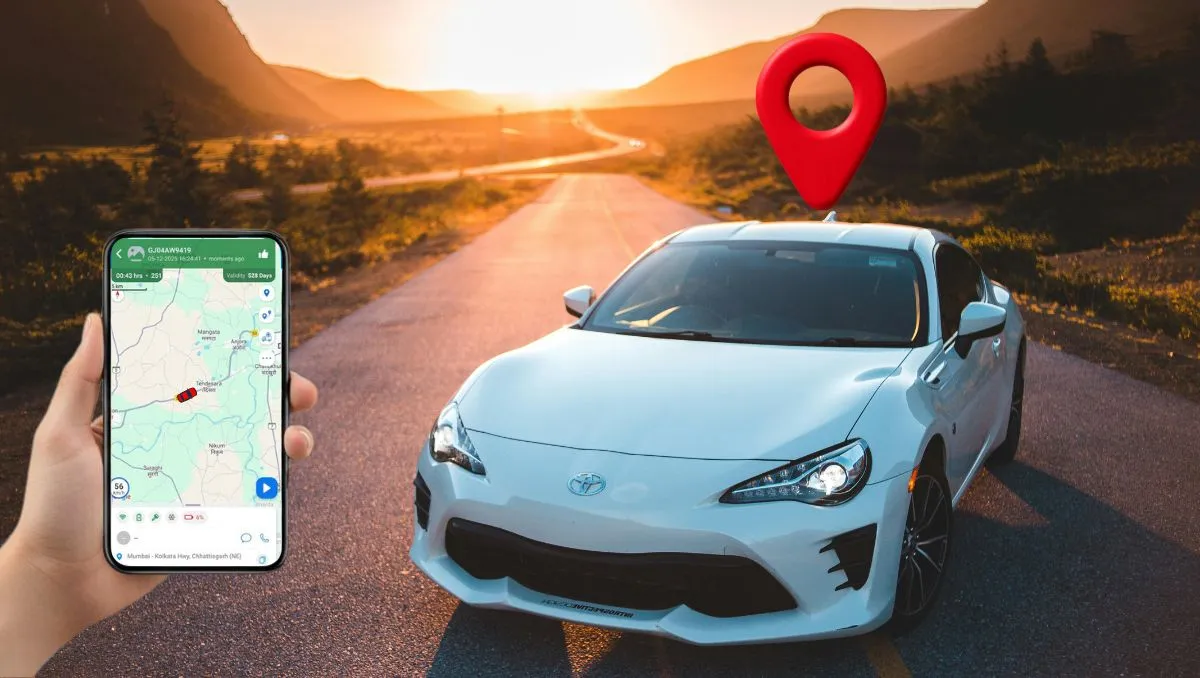
Introduction: How Does a GPS Tracking Device Work?
In today’s digital world, vehicle security and real-time tracking have become essential for both individuals and businesses. One of the most common questions people ask before investing in tracking technology is: does a GPS tracking device work and how reliable is it? Understanding the answer is important, especially for car owners, fleet operators, logistics companies, and parents who want enhanced safety and control.
To clearly explain does a GPS tracking device work, we need to look at the technology behind it. A GPS tracking device uses satellite signals from the Global Positioning System to determine the exact location of a vehicle, person, or asset. These satellites continuously orbit the Earth and transmit signals that help the device calculate precise coordinates such as latitude, longitude, speed, and direction.
Once the location is determined, the tracking device sends this information through a GSM or mobile data network to a cloud-based server. From there, users can access real-time location updates, route history, speed alerts, and other important data through a mobile app or web dashboard. This seamless communication between satellites, network providers, and software platforms is what makes GPS tracking highly effective and accurate.
When people wonder does a GPS tracking device work in real-time, the answer is yes — provided the device has proper satellite visibility and network connectivity. Modern GPS trackers are designed to deliver accurate updates within seconds, making them extremely useful for fleet management, anti-theft protection, and route optimization.
Additionally, advancements in IoT (Internet of Things) technology have made GPS tracking devices smarter and more efficient. They now offer advanced features such as geo-fencing, engine cut-off alerts, fuel monitoring, driver behavior analysis, and emergency SOS notifications. These capabilities go far beyond simple location tracking and provide complete vehicle management solutions.
In simple terms, if you are asking does a GPS tracking device work effectively for security and monitoring, the answer is absolutely yes. With the combination of satellite positioning, mobile data transmission, and cloud-based monitoring systems, GPS tracking devices have become a powerful tool for safety, transparency, and operational efficiency.
What is a GPS Tracking Device?
To clearly understand does a GPS tracking device work, we must first explore what a GPS tracking device actually is, how it is structured, and why it has become a critical technology in modern transportation and security systems.
A GPS tracking device is an advanced electronic tracking system that determines the precise location of a vehicle, person, or asset by using satellite-based navigation technology. It communicates with the Global Positioning System, which consists of a network of satellites orbiting the Earth. These satellites continuously transmit signals containing their position and time data. The GPS tracking device receives signals from multiple satellites and calculates its exact location using a mathematical process called trilateration.
When people search online asking does a GPS tracking device work, they are often curious about whether the device can truly provide accurate, real-time information. The answer lies in the device’s ability to perform three key functions:
- Location Detection – It captures satellite signals to calculate latitude, longitude, altitude, speed, and direction.
- Data Processing – A built-in microcontroller processes the collected information.
- Data Transmission – The device sends this data via a SIM card using GSM, 4G, or 5G networks to a cloud server.
Once transmitted, users can access the information through a mobile app or web-based dashboard. This makes tracking seamless, efficient, and accessible from anywhere.
A GPS tracking device is not just a location tool; it is a smart monitoring system. Modern devices often include additional sensors and features such as:
- Ignition status monitoring
- Speed alerts
- Geo-fencing (virtual boundary alerts)
- Route history playback
- Engine cut-off capability
- Fuel monitoring integration
- SOS emergency alerts
These advanced capabilities help answer the question does a GPS tracking device work effectively for vehicle management? Yes, because it goes beyond simple tracking and provides complete operational insights.
Structurally, a GPS tracking device typically contains:
- GPS Module – Receives satellite signals
- Communication Module – Transfers data via mobile networks
- SIM Card Slot – Enables network connectivity
- Antenna System – Enhances signal strength
- Power Source – Either wired to a vehicle battery or powered by an internal rechargeable battery
There are different types of GPS tracking devices available in the market, including wired trackers, wireless trackers, OBD plug-and-play trackers, and portable asset trackers. Each type is designed to meet specific tracking needs, whether for personal vehicles, commercial fleets, school buses, or logistics operations.
In simple terms, if you are wondering does a GPS tracking device work in real-world conditions, the answer is yes — provided it has proper satellite visibility and network connectivity. It works by combining satellite positioning technology with mobile communication systems to provide accurate, real-time location monitoring.
Ultimately, a GPS tracking device is a powerful security and management tool that enhances vehicle safety, improves operational efficiency, and offers peace of mind to users.
2. How Does a GPS Tracking Device Work? (Step-by-Step Process)
When people search online asking does a GPS tracking device work, they usually want to understand the complete technical process behind real-time vehicle tracking. A GPS tracking device works through a combination of satellite positioning, internal data processing, wireless communication, and cloud-based software systems. Below is a detailed, step-by-step explanation of how the entire system functions.
Step 1: Satellite Signal Transmission
The foundation of how does a GPS tracking device work begins in space. The device connects to the Global Positioning System, a satellite navigation network made up of multiple satellites orbiting the Earth.
Each satellite continuously broadcasts:
- Its exact orbital position
- The precise time the signal was transmitted
- System status information
These signals travel at the speed of light and reach GPS receivers on Earth within milliseconds.
Step 2: Signal Reception by the GPS Receiver
Inside every GPS tracking device is a GPS receiver module. This module constantly listens for satellite signals. To calculate an accurate 2D position (latitude and longitude), the device needs signals from at least three satellites. For a more precise 3D position (including altitude), it requires signals from four or more satellites.
The stronger and clearer the satellite visibility (open sky, fewer tall buildings), the more accurate the location data will be.
Step 3: Distance Calculation Using Time Measurement
Now comes the core technical process that answers the question: does a GPS tracking device work accurately?
The device calculates how far it is from each satellite by measuring how long the signal took to arrive. Since radio signals travel at a known speed (the speed of light), the device converts travel time into distance.
For example:
- If a signal takes longer to reach the device, the satellite is farther away.
- If it arrives quickly, the satellite is closer.
By calculating distance from multiple satellites, the tracker determines its exact geographic location through trilateration.
Step 4: Determining Speed and Direction
A GPS tracking device does more than just detect location. It continuously updates its position at set intervals (for example, every 5–10 seconds). By comparing position changes over time, it calculates:
- Vehicle speed
- Travel direction
- Distance covered
- Idle time
This continuous data recording is one reason why does a GPS tracking device work for fleet management is answered with confidence — it provides movement intelligence, not just static location.
Step 5: Internal Data Processing
Once raw location data is captured, the device’s microcontroller processes it. Modern GPS trackers may also collect additional inputs from:
- Ignition sensors
- Fuel level sensors
- Door sensors
- Temperature sensors
- Panic/SOS buttons
The internal processor organizes this information into structured data packets ready for transmission.
Step 6: Data Transmission Through Mobile Network
After processing, the device sends the data to a remote server. This is where many people clarify their doubt about does a GPS tracking device work in real time.
The tracker uses:
- GSM network
- GPRS technology
- 4G or 5G SIM connectivity
The SIM card inside the device acts like a mobile phone connection, allowing it to transmit data to a cloud-based server instantly.
If the network is temporarily unavailable (for example, inside tunnels), the device stores the data internally and uploads it once connectivity is restored.
Step 7: Cloud Server Data Storage and Analysis
Once transmitted, the data reaches a secure cloud server. Here, the system:
- Stores location history
- Processes route details
- Generates reports
- Triggers alerts (speed violation, geo-fence breach, engine ON/OFF)
Advanced tracking platforms use intelligent algorithms to convert raw GPS coordinates into readable maps and meaningful analytics.
Step 8: User Access Through Mobile App or Web Dashboard
The final step in understanding does a GPS tracking device work effectively is how users access the information.
Through a:
- Smartphone application
- Web-based tracking portal
Users can view:
- Live vehicle location on a digital map
- Route playback history
- Real-time speed
- Driver behavior reports
- Alert notifications
This instant visibility allows vehicle owners and fleet managers to make quick decisions and improve safety.
Real-Time vs. Stored Tracking
It is important to understand that GPS signal reception itself does not require internet. However, for real-time monitoring:
- GPS → Determines location
- Mobile network → Sends data
- Cloud platform → Displays data
If mobile data is unavailable, tracking continues internally, and updates are synchronized later.
3. Main Components of a GPS Tracking Device
To fully understand does a GPS tracking device work, it is important to examine the internal hardware and system architecture that make tracking possible. A GPS tracking device is not a single-function gadget; it is an integrated electronic system where multiple components work together in a synchronized manner. Each part has a specific role in receiving satellite signals, processing location data, transmitting information, and ensuring continuous operation.
Let’s explore the main components in greater technical detail.
1. GPS Receiver Module (Positioning Engine)
The GPS receiver module is the most critical component in determining whether does a GPS tracking device work accurately. This module communicates with satellites from the Global Positioning System.
Its primary functions include:
- Capturing satellite signals
- Measuring signal travel time
- Calculating latitude, longitude, and altitude
- Determining ground speed
- Identifying travel direction (heading)
- Providing time synchronization
Modern GPS modules often support high-sensitivity receivers, allowing them to work even in challenging environments such as urban areas with tall buildings. The better the GPS chipset, the higher the positioning accuracy and faster signal acquisition (known as Time to First Fix – TTFF).
2. Cellular Communication Module (GSM / LTE Module)
After the GPS receiver determines the location, the data must be transmitted. This is where the cellular communication module plays a vital role.
This module:
- Connects to mobile networks (2G, 3G, 4G, LTE, or 5G)
- Uses GPRS or mobile internet protocols
- Sends tracking data to a remote server
- Receives commands from the monitoring platform
A SIM card is installed in the device, enabling two-way communication. This is especially important when answering does a GPS tracking device work in real time, because live tracking depends entirely on stable cellular connectivity.
Some advanced devices also support multi-network roaming to maintain connectivity in different regions.
3. Microcontroller Unit (MCU) – The Brain of the Device
The microcontroller or processor manages the overall operation of the tracking device. It acts as the central control unit, coordinating between GPS, communication, and sensor modules.
Its responsibilities include:
- Processing raw GPS coordinates
- Formatting data into structured packets
- Managing power consumption
- Handling firmware operations
- Executing remote commands
- Storing data when offline
A high-performance MCU ensures faster processing, lower latency, and improved reliability. If someone asks, does a GPS tracking device work smoothly under continuous operation, the answer largely depends on the quality of this processing unit.
4. Antenna System (Signal Reception & Transmission)
A GPS tracking device typically contains two separate antennas:
a) GPS Antenna
- Receives satellite signals
- Designed for high sensitivity
- Works best with clear sky visibility
b) GSM/LTE Antenna
- Sends and receives mobile network data
- Ensures strong network connectivity
Signal strength plays a major role in device performance. Weak antennas can reduce tracking accuracy or delay real-time updates. High-quality antenna design improves reliability in urban and remote environments.
5. Power Management System
The power system determines whether does a GPS tracking device work continuously without interruption.
There are generally two types of power configurations:
- Wired GPS Trackers – Connected directly to a vehicle’s battery for continuous power supply
- Wireless GPS Trackers – Powered by rechargeable lithium-ion batteries
Advanced devices include power management circuits that:
- Prevent battery drainage
- Detect vehicle ignition status
- Switch to sleep mode when idle
- Send low-battery alerts
Efficient power management ensures long-term operation and stable tracking performance.
6. Internal Memory Storage
Internal memory acts as a backup system. If mobile connectivity is lost (such as inside tunnels or low-signal areas), the device:
- Stores location data locally
- Saves time-stamped coordinates
- Automatically uploads stored data once network reconnects
This feature ensures data continuity and prevents tracking gaps.
7. Sensor Interfaces and I/O Ports
Modern GPS tracking devices go beyond basic location tracking. They include input/output ports for additional monitoring features.
Common sensor integrations include:
- Ignition detection wires
- Fuel level sensors
- Temperature sensors (cold chain vehicles)
- Door open/close sensors
- Vibration or motion sensors
- SOS panic button
These integrations help answer the broader question: does a GPS tracking device work only for location tracking? The answer is no — it works as a comprehensive vehicle monitoring solution.
8. Firmware and Embedded Software
The embedded firmware controls how the device operates. It manages:
- Data transmission frequency
- Server communication protocols
- Alert triggers
- Over-the-air (OTA) updates
Regular firmware updates improve performance, security, and compatibility with newer network technologies.
How All Components Work Together
To clearly understand does a GPS tracking device work efficiently, it’s important to see how all components function as a single system:
- GPS module receives satellite signals.
- Microcontroller processes and organizes location data.
- Sensors collect additional vehicle information.
- Communication module transmits data via mobile network.
- Cloud server stores and analyzes information.
- User accesses data through mobile app or dashboard.
This continuous cycle repeats every few seconds, enabling accurate and real-time monitoring.
A GPS tracking device works because of the seamless integration of satellite technology, communication networks, internal processing systems, and cloud-based platforms. Each component — from the GPS receiver to the power management circuit — plays a critical role in delivering reliable tracking performance.
So, if you are wondering does a GPS tracking device work effectively in real-world conditions, the answer depends on the strength, quality, and synchronization of these core components. When designed properly, they work together flawlessly to provide accurate location tracking, enhanced security, and complete vehicle visibility.
4. Types of GPS Tracking Devices
When people search online asking does a GPS tracking device work, they are often also trying to understand which type of device is best for their needs. GPS tracking devices are available in different forms, each designed for specific applications such as personal vehicles, commercial fleets, logistics, asset tracking, or security monitoring.
To clearly understand does a GPS tracking device work effectively, it is important to know that performance can vary depending on the type of device, installation method, power source, and connectivity options. Below is a detailed explanation of the main types of GPS tracking devices available today.
1. Wired GPS Tracking Devices
Wired GPS trackers are permanently installed inside a vehicle and connected directly to the vehicle’s battery.
How They Work:
These devices receive location data from the Global Positioning System and transmit it via a SIM-based mobile network. Since they are directly connected to the vehicle’s electrical system, they provide continuous power and uninterrupted tracking.
Key Features:
- Real-time tracking
- Ignition status monitoring
- Engine cut-off capability
- Geo-fencing alerts
- Fuel monitoring integration
Best For:
- Commercial fleets
- Logistics companies
- School buses
- Taxi services
When businesses ask does a GPS tracking device work for fleet management, wired trackers are often the most reliable solution due to their continuous power supply and advanced features.
2. Wireless GPS Tracking Devices
Wireless GPS trackers operate on an internal rechargeable battery and do not require complex wiring.
How They Work:
These devices still receive satellite signals and transmit data via mobile networks, but they rely on battery power instead of a direct vehicle connection.
Key Features:
- Easy installation
- Portable and movable
- Magnetic mounting options
- Long battery backup
Best For:
- Personal vehicles
- Asset tracking
- Temporary tracking needs
- Rental vehicles
If someone wonders does a GPS tracking device work without professional installation, wireless trackers provide a simple plug-and-play solution.
3. OBD (On-Board Diagnostics) GPS Trackers
OBD GPS trackers plug directly into a vehicle’s OBD port, which is usually located under the dashboard.
How They Work:
They draw power from the OBD port and collect both location data and vehicle diagnostic information.
Key Features:
- Plug-and-play setup
- Real-time tracking
- Engine diagnostics
- Vehicle health monitoring
- Driver behavior reports
Best For:
- Car owners
- Small fleet operators
- Vehicle health monitoring
These devices clearly show that does a GPS tracking device work beyond location tracking — yes, it can also provide vehicle performance data.
4. Portable GPS Trackers
Portable GPS trackers are compact, battery-operated devices that can be placed inside bags, vehicles, or cargo shipments.
Key Features:
- Lightweight and compact
- Rechargeable battery
- SOS button (in some models)
- Ideal for temporary tracking
Best For:
- Personal safety
- Child or elderly monitoring
- Parcel tracking
- High-value goods
Portable devices are useful when flexibility and mobility are priorities.
5. Asset GPS Trackers
Asset tracking devices are specially designed for non-powered equipment such as containers, trailers, construction machinery, and heavy equipment.
Key Features:
- Long battery life (months or years)
- Rugged and weatherproof design
- Low-power operation
- Periodic location updates
These devices prove that does a GPS tracking device work even without continuous vehicle power — yes, asset trackers are optimized for low-energy performance.
6. Advanced IoT-Enabled GPS Trackers
Modern IoT-based GPS tracking devices integrate advanced sensors and cloud-based analytics.
Key Features:
- AI-based driver behavior analysis
- Real-time alerts
- Fuel theft detection
- Temperature monitoring
- Integration with fleet management software
These smart trackers are widely used in enterprise-level fleet operations and logistics management.
Choosing the Right Type
Understanding the different types helps answer the practical question: does a GPS tracking device work effectively for every situation?
The answer depends on:
- Your purpose (personal vs. commercial)
- Installation preference
- Power requirements
- Budget
- Required features
For example:
- If you need permanent tracking with advanced control, choose wired devices.
- If you need flexibility and easy installation, wireless or OBD devices are ideal.
- For cargo or equipment monitoring, asset trackers are best.
5. Features of a GPS Tracking Device
When people ask does a GPS tracking device work, they are not only interested in how it functions but also in what features make it effective and reliable. Modern GPS tracking devices are no longer limited to simple location tracking. They now offer advanced monitoring, reporting, and security capabilities that make them powerful tools for both personal and commercial use.
Understanding the features of a GPS tracker helps you clearly evaluate does a GPS tracking device work efficiently for security, monitoring, and fleet management. Below is a detailed explanation of the key features available in modern GPS tracking devices.
1. Real-Time Location Tracking
The most important feature of any GPS tracking device is real-time tracking. The device receives signals from the Global Positioning System and continuously updates the vehicle’s location.
With real-time tracking, users can:
- Monitor live vehicle movement
- View exact position on digital maps
- Track speed and direction
- Get instant updates every few seconds
This feature directly answers the question does a GPS tracking device work in real time — yes, it provides continuous visibility of your vehicle or asset.
2. Route History and Playback
GPS tracking devices store movement history, allowing users to:
- View past travel routes
- Check total distance traveled
- Analyze idle time
- Review stops and travel duration
This feature is especially useful for businesses that need detailed trip records for operational or billing purposes.
3. Geo-Fencing Alerts
Geo-fencing allows users to create virtual boundaries on a map. When a vehicle enters or exits the defined area, the system sends instant notifications.
This feature is commonly used for:
- Monitoring restricted zones
- School bus safety
- Delivery route compliance
- Preventing unauthorized vehicle usage
Geo-fencing enhances security and operational control.
4. Speed Monitoring and Overspeed Alerts
Speed tracking is a critical safety feature. GPS devices can:
- Monitor real-time speed
- Set maximum speed limits
- Send alerts for overspeeding
For fleet managers, this ensures driver accountability and helps reduce accident risks.
5. Ignition Status Monitoring
Advanced GPS trackers can detect whether the vehicle ignition is turned ON or OFF. This helps in:
- Tracking vehicle usage hours
- Preventing unauthorized use
- Monitoring driver shifts
Ignition tracking plays a major role in answering does a GPS tracking device work for business operations — yes, it provides detailed vehicle activity insights.
6. Engine Cut-Off (Remote Immobilization)
Some GPS tracking devices offer remote engine cut-off functionality. This allows the vehicle owner to:
- Disable the engine remotely
- Prevent theft
- Stop unauthorized movement
This feature adds an extra layer of vehicle security.
7. Fuel Monitoring Integration
Modern GPS systems can integrate with fuel sensors to monitor:
- Fuel consumption
- Fuel refilling events
- Sudden fuel drops (possible theft)
Fuel monitoring is especially valuable for logistics companies aiming to reduce operational costs.
8. Driver Behavior Monitoring
Advanced tracking devices can analyze:
- Harsh braking
- Sudden acceleration
- Sharp turns
- Excessive idling
Driver behavior reports help improve safety and reduce vehicle wear and tear.
9. SOS Emergency Alert
Some GPS trackers include a panic or SOS button. When pressed, it:
- Sends instant alerts
- Shares live location
- Notifies predefined contacts
This feature is particularly useful for personal safety and emergency response.
10. Mobile App and Web Dashboard Access
Modern GPS tracking devices come with user-friendly platforms that allow:
- Live tracking through smartphones
- Real-time notifications
- Detailed analytics reports
- Multi-vehicle monitoring
This accessibility ensures that users can monitor their assets anytime, anywhere.
11. Tamper Alerts
GPS devices can send alerts if:
- The device is disconnected
- The power supply is cut
- The SIM card is removed
Tamper alerts protect against unauthorized interference.
12. Cloud-Based Data Storage
Most modern GPS trackers use cloud technology to:
- Store tracking history
- Generate automated reports
- Provide secure data access
Cloud integration ensures long-term data availability and easy access.
Why Features Matter
When evaluating does a GPS tracking device work effectively, the answer depends on the features it offers. A basic tracker may provide only location updates, while advanced devices offer complete vehicle management solutions including fuel monitoring, driver analysis, and security alerts.
The more advanced the features, the more control and visibility users gain over their vehicles or assets.
6. How Accurate is a GPS Tracking Device?
When evaluating tracking technology, one of the most important questions people ask is: does a GPS tracking device work accurately in real-world conditions? Accuracy determines how reliable the tracking information is, whether for vehicle security, fleet management, logistics monitoring, or personal safety.
Modern GPS tracking devices are highly advanced and engineered to provide precise positioning. However, their level of accuracy depends on multiple technical and environmental factors. Let’s explore this topic in greater depth.
Standard GPS Accuracy Levels
In ideal outdoor conditions, most modern GPS tracking devices provide:
- 3 to 5 meters accuracy with high-quality GPS chipsets
- 5 to 10 meters accuracy in normal open environments
- Slightly reduced precision in dense urban areas
This means the device can usually identify the correct road, lane, or parking location. For most vehicle tracking and fleet management purposes, this level of accuracy is more than sufficient.
The accuracy comes from signals transmitted by satellites within the Global Positioning System, which continuously broadcast time and position data.
How GPS Accuracy is Calculated
To properly answer does a GPS tracking device work precisely, it’s important to understand how location is calculated.
- The GPS receiver inside the device listens for signals from multiple satellites.
- Each satellite transmits its exact time and orbital position.
- The device measures how long the signal took to arrive.
- Using this time difference, it calculates distance from each satellite.
- By comparing distances from at least four satellites, the device determines its exact position using trilateration.
The more satellites available, the more accurate the result.
Factors That Affect GPS Tracking Accuracy
1. Satellite Visibility
Clear visibility of satellites greatly improves precision. Accuracy is highest when:
- The vehicle is outdoors
- There is an open sky
- No tall buildings or dense tree cover are blocking signals
Accuracy may temporarily decrease in:
- Underground parking areas
- Tunnels
- Dense city centers with skyscrapers
This is sometimes referred to as the “urban canyon effect.”
2. Number of Connected Satellites
The GPS device needs:
- 3 satellites for basic 2D positioning
- 4 or more satellites for 3D positioning (including altitude)
Modern trackers often connect to 8–12 satellites simultaneously, improving accuracy and stability.
3. Quality of GPS Chipset
Not all GPS tracking devices are built the same. High-quality devices include advanced GPS chipsets that:
- Lock onto satellite signals faster
- Maintain stable connections
- Reduce signal noise
- Improve positioning accuracy
When someone asks, does a GPS tracking device work better with premium hardware, the answer is yes. Device quality significantly impacts precision.
4. Environmental and Atmospheric Conditions
Satellite signals can be influenced by:
- Heavy rain or storms
- Solar radiation
- Ionospheric disturbances
Although these factors can cause minor delays, modern GPS systems are designed to compensate for most atmospheric interference.
5. Signal Multipath Errors
In urban areas, GPS signals can bounce off buildings before reaching the device. This reflection (called multipath error) may slightly reduce positioning accuracy. Advanced GPS trackers use filtering algorithms to minimize this effect.
Advanced Technologies That Improve Accuracy
Modern GPS tracking devices often include additional systems to enhance positioning:
Assisted GPS (A-GPS)
Uses mobile network data to help the device acquire satellite signals faster, especially in weak signal conditions.
Multi-Constellation Support
Some trackers support additional satellite systems beyond the primary GPS network, improving satellite availability and precision.
Dead Reckoning
Uses motion sensors and vehicle speed data to estimate location when GPS signal is temporarily lost (for example, in tunnels).
Wi-Fi and Cellular Positioning
In some advanced systems, Wi-Fi hotspots and cellular towers assist in improving indoor or urban accuracy.
These enhancements ensure that does a GPS tracking device work reliably in complex environments is answered with confidence.
Real-Time Accuracy vs. Update Frequency
It’s important to differentiate between location accuracy and update frequency:
- Location accuracy = How precise the position is
- Update frequency = How often the position updates
Some devices update every 5–10 seconds, while others may update every 30–60 seconds to save data or battery. Faster update intervals provide smoother real-time tracking.
Accuracy in Business and Fleet Applications
For commercial use, GPS accuracy of 5–10 meters is more than sufficient to:
- Monitor exact routes
- Detect unauthorized stops
- Analyze driver behavior
- Prevent fuel misuse
- Recover stolen vehicles
Fleet managers rely on this level of accuracy daily for operational efficiency.
Indoor and Underground Limitations
GPS signals struggle to penetrate thick concrete and metal structures. As a result:
- Underground parking may delay live updates
- Tunnels may temporarily interrupt signals
- Indoor storage areas may reduce satellite visibility
However, most devices store data during signal loss and automatically sync when connectivity resumes.
7. Where Are GPS Tracking Devices Used?
When users search for does a GPS tracking device work, they often want practical proof — real-world examples of where and how the technology is used. GPS tracking devices are now integrated into almost every major industry that depends on mobility, transportation, security, or asset management.
Because these devices receive positioning data from satellites within the Global Positioning System and transmit it through mobile networks, they provide reliable, real-time visibility across multiple sectors.
Let’s explore in detail where GPS tracking devices are commonly used and why they are essential in each field.
1. Fleet Management and Transportation Companies
Fleet management is one of the largest users of GPS tracking technology.
How It Is Used:
- Real-time vehicle monitoring
- Route optimization
- Fuel consumption tracking
- Driver behavior analysis
- Maintenance scheduling
Why It Matters:
Fleet operators need complete visibility over their vehicles to reduce operational costs and improve efficiency. GPS tracking helps prevent route deviations, excessive idling, and unauthorized usage.
This clearly demonstrates that does a GPS tracking device work for large-scale operations — yes, it is a backbone technology in modern fleet management.
2. Logistics and Supply Chain Industry
In logistics, time and transparency are critical.
Applications:
- Tracking cargo shipments
- Monitoring cross-border transportation
- Delivery route planning
- Theft prevention
- Real-time customer updates
E-commerce and courier companies rely heavily on GPS tracking to ensure on-time deliveries and to provide live tracking links to customers.
Without GPS tracking, modern logistics systems would struggle to maintain efficiency.
3. School and College Transportation
Educational institutions use GPS tracking in school buses to improve student safety.
Key Uses:
- Real-time bus tracking for parents
- Route monitoring
- Arrival and departure alerts
- Unauthorized route detection
This adds a layer of safety and transparency for parents and administrators alike.
4. Taxi, Ride-Sharing, and Passenger Transport
Ride-sharing platforms and taxi operators depend on GPS tracking for both safety and operational management.
Uses Include:
- Live driver tracking
- Trip recording
- Passenger safety monitoring
- Dispute resolution
- Dispatch coordination
GPS tracking ensures accountability and improves service quality.
5. Personal Vehicle Security
Individual vehicle owners install GPS tracking devices to enhance security.
Common Uses:
- Vehicle theft recovery
- Monitoring teenage drivers
- Tracking unauthorized vehicle usage
- Locating parked vehicles
When someone asks does a GPS tracking device work for anti-theft protection, personal vehicle use provides a clear and practical example — it significantly increases recovery chances.
6. Construction and Heavy Equipment Monitoring
Construction companies use GPS tracking to monitor expensive machinery and equipment.
Applications:
- Tracking bulldozers, cranes, and loaders
- Monitoring equipment usage hours
- Preventing asset theft
- Improving maintenance scheduling
Heavy equipment is often moved between job sites, making tracking essential for operational control.
7. Asset and Container Tracking
GPS tracking devices are widely used for non-powered assets such as:
- Shipping containers
- Trailers
- Rental machinery
- Agricultural equipment
These devices often have long battery life and rugged designs to withstand harsh conditions.
This proves that does a GPS tracking device work beyond vehicles — yes, it works for nearly any movable asset.
8. Emergency and Public Safety Services
Emergency response teams rely on GPS tracking to improve response time.
Used By:
- Ambulance services
- Fire departments
- Law enforcement agencies
GPS tracking helps dispatch the nearest available vehicle and optimize routes during emergencies.
9. Cold Chain and Temperature-Sensitive Transport
Industries such as pharmaceuticals and food distribution use GPS tracking combined with temperature monitoring.
Benefits:
- Real-time cargo location
- Temperature compliance monitoring
- Alert notifications for temperature deviations
This ensures product safety and regulatory compliance.
10. Rental and Leasing Companies
Vehicle rental companies use GPS tracking for risk management.
Key Uses:
- Monitoring rental vehicle location
- Limiting unauthorized travel
- Tracking mileage
- Recovering stolen vehicles
GPS tracking reduces financial risk and improves operational control.
11. Agriculture and Farming
Modern farming operations use GPS tracking for:
- Tractor monitoring
- Field mapping
- Livestock tracking
- Fuel management
Precision agriculture relies on accurate location data to improve productivity.
12. Personal Safety and Family Monitoring
Portable GPS trackers are used for:
- Tracking children
- Monitoring elderly individuals
- Pet tracking
- Emergency SOS alerts
These devices provide peace of mind for families.
13. Government and Municipal Services
Government agencies use GPS tracking to monitor:
- Garbage collection vehicles
- Public transport systems
- Utility service vehicles
- Road maintenance fleets
This improves accountability and service efficiency.
Why GPS Tracking Is Used So Widely
The widespread adoption of GPS tracking devices across industries clearly answers the question: does a GPS tracking device work effectively in practical environments?
Yes — because it provides:
- Real-time visibility
- Operational transparency
- Cost control
- Improved safety
- Theft prevention
- Data-driven decision-making
The technology has proven reliable across transportation, logistics, education, public safety, agriculture, and personal security sectors.
8. Benefits of Using a GPS Tracking Device
When people search does a GPS tracking device work, they are usually trying to understand whether investing in one truly delivers value. The simple answer is yes — and the benefits go far beyond just tracking a vehicle’s location.
A GPS tracking device connects to satellites through the Global Positioning System and transmits real-time data using cellular networks. This powerful combination enables businesses and individuals to monitor, manage, and protect their vehicles and assets efficiently.
Let’s explore the major benefits in detail.
1. Real-Time Location Tracking
The most important advantage of a GPS tracking device is live location monitoring.
Why It Matters:
- Know the exact location of vehicles or assets
- Track movement history
- Monitor routes in real-time
- Reduce uncertainty
This directly answers the question: does a GPS tracking device work for real-time tracking? Yes, it provides accurate, instant updates through web or mobile apps.
2. Improved Vehicle Security
Vehicle theft is a major concern for businesses and individual car owners.
Security Benefits:
- Instant alerts for unauthorized movement
- Geo-fencing notifications
- Engine cut-off feature (in supported devices)
- Faster vehicle recovery
A GPS tracking device significantly increases the chances of recovering stolen vehicles.
3. Reduced Fuel Costs
Fuel is one of the biggest operational expenses for fleet-based businesses.
How GPS Helps:
- Detects excessive idling
- Identifies route deviations
- Optimizes routes
- Monitors fuel usage patterns
When businesses evaluate does a GPS tracking device work to reduce expenses, fuel savings alone often justify the investment.
4. Better Driver Behavior Monitoring
GPS tracking devices provide insights into driving patterns.
Monitored Activities:
- Overspeeding
- Harsh braking
- Rapid acceleration
- Long idle times
This data helps improve driver discipline, reduce accidents, and lower maintenance costs.
5. Increased Operational Efficiency
For fleet owners and logistics companies, efficiency is everything.
Benefits Include:
- Smarter route planning
- Faster deliveries
- Reduced downtime
- Improved dispatch management
By using tracking data effectively, businesses can handle more work with the same number of vehicles.
6. Enhanced Customer Satisfaction
Customers today expect transparency and real-time updates.
With GPS tracking:
- Delivery ETAs can be shared
- Live tracking links can be provided
- Delays can be communicated instantly
This builds trust and improves customer experience.
7. Accurate Record Keeping
A GPS tracking device stores trip history and movement data.
Useful For:
- Mileage reports
- Trip logs
- Billing verification
- Tax documentation
For companies managing multiple vehicles, this data ensures accountability and transparency.
8. Better Maintenance Planning
Regular vehicle maintenance prevents breakdowns and costly repairs.
GPS tracking systems can:
- Monitor engine hours
- Track mileage
- Send maintenance reminders
Preventive maintenance extends vehicle lifespan and reduces unexpected failures.
9. Geo-Fencing and Zone Alerts
Geo-fencing allows you to create virtual boundaries.
When Activated:
- Receive alerts when vehicles enter or exit specific zones
- Prevent unauthorized route deviations
- Monitor restricted area access
This is especially useful for school buses, rental vehicles, and commercial fleets.
10. Emergency Assistance and SOS Features
Some GPS tracking devices include SOS buttons and emergency alerts.
Advantages:
- Immediate notification during emergencies
- Faster response times
- Improved personal safety
This makes GPS tracking useful not only for vehicles but also for personal safety applications.
11. Theft Prevention for Assets and Equipment
GPS tracking devices are widely used for:
- Construction machinery
- Shipping containers
- Agricultural equipment
- Rental assets
This proves that does a GPS tracking device work beyond vehicles? Absolutely — it protects high-value assets across industries.
12. Data-Driven Business Decisions
Modern GPS tracking systems provide detailed reports and analytics.
Insights Include:
- Utilization reports
- Driver performance metrics
- Fuel efficiency analysis
- Route performance data
Businesses can use this data to improve strategy, reduce waste, and increase profitability.
13. Peace of Mind
For personal users, GPS tracking offers reassurance.
- Monitor teenage drivers
- Track family vehicles
- Locate parked vehicles
- Ensure elderly safety
Knowing the real-time location of loved ones or assets provides mental comfort.
Does a GPS Tracking Device Work? The Real Benefit Perspective
The wide range of benefits clearly demonstrates that does a GPS tracking device work is no longer a question of doubt. It works effectively in:
- Cost reduction
- Security enhancement
- Operational improvement
- Safety monitoring
- Business optimization
Whether for personal use or enterprise-level fleet management, GPS tracking devices deliver measurable and practical advantages.
9. Does a GPS Tracking Device Work Without Internet?
One of the most common questions people ask is: does a GPS tracking device work without internet? The answer depends on how you define “work.” A GPS tracking device can calculate location without internet, but transmitting that location in real-time usually requires a network connection.
To understand this clearly, let’s break down how GPS technology functions and what role the internet actually plays.
Understanding How GPS Works
A GPS tracking device receives signals from satellites operated by the Global Positioning System. These satellites continuously broadcast signals containing time and positioning data.
The device:
- Receives signals from multiple satellites
- Calculates its exact position using trilateration
- Determines latitude, longitude, speed, and direction
Importantly, this process does not require internet.
So technically, does a GPS tracking device work without internet?
Yes — for location calculation, it absolutely does.
What Happens Without Internet?
While GPS satellites provide location data, the internet (or mobile network) is used to:
- Send real-time location updates to a mobile app or web dashboard
- Deliver alerts and notifications
- Store cloud-based tracking history
If there is no internet or cellular network:
- The device can still calculate location
- Real-time tracking may stop
- Data may be stored internally and uploaded later
This means the tracking device continues working, but live monitoring becomes temporarily unavailable.
Two Key Functions: GPS vs Internet
To fully answer does a GPS tracking device work, it’s important to separate two technologies:
1. GPS (Satellite System)
- Provides positioning data
- Does NOT require internet
- Works anywhere with satellite visibility
2. Internet / Cellular Network
- Sends location data to users
- Enables live tracking
- Allows cloud storage
So GPS works independently, but online tracking depends on network connectivity.
Types of GPS Devices and Internet Dependency
1. Real-Time GPS Trackers (SIM-Based)
These devices use cellular networks (2G/4G/5G) to send data.
Without internet or network:
- They record data internally
- They upload stored data once signal returns
These are commonly used in fleet management and vehicle tracking.
2. Offline GPS Loggers
These devices:
- Record location history internally
- Do not provide live tracking
- Require manual data download
They work completely without internet.
3. Satellite GPS Trackers
Some advanced devices use satellite communication instead of cellular networks.
These can:
- Work in remote areas
- Operate in forests, mountains, or oceans
- Transmit data without mobile network
However, they are more expensive.
What Happens in No-Network Areas?
In tunnels, underground parking, or remote areas:
- GPS signals may weaken
- Cellular networks may disappear
- Real-time tracking may pause
But once the signal is restored:
- Stored data syncs automatically
- Route history becomes visible
This shows that does a GPS tracking device work in poor network areas? Yes — but with limited live functionality.
Factors That Affect Offline GPS Performance
- Satellite visibility
- Device quality
- Internal storage capacity
- Battery power
- Signal obstruction (buildings, tunnels)
High-quality GPS devices maintain better performance even in challenging environments.
Does a GPS Tracking Device Work Without Internet? Final Answer
Yes — but with limitations.
- GPS positioning works without internet
- Real-time monitoring requires network connectivity
- Data syncing happens when the connection is restored
So when asking does a GPS tracking device work, the accurate answer is:
✔ It works independently for location calculation
✔ It stores data without internet
✔ It needs a network for live updates
10. Is GPS Tracking Legal?
When users search does a GPS tracking device work, they often want to know not only about performance but also about legality. GPS tracking technology is legal in most countries, including India — but its use must follow privacy, ownership, and consent laws.
The device itself is not illegal. What matters is how, where, and why it is used.
How GPS Tracking Technology Operates
A GPS tracker receives signals from satellites operated by the Global Positioning System. It calculates the device’s location using satellite data and then transmits that information via mobile networks to a web platform or mobile application.
The technology simply gathers location data. Legal concerns arise when this data is collected without proper authorization or consent.
Is GPS Tracking Legal in India?
In India, GPS tracking is widely used in:
- Commercial fleets
- School buses
- Logistics companies
- Public transportation
- Rental vehicles
The Indian government has even mandated GPS tracking in certain public transport and commercial vehicles to improve passenger safety.
However, legality depends on ownership and consent.
Legal Scenarios Explained in Detail
1. Tracking Your Own Vehicle – Legal
If you own a vehicle, you can legally install a GPS tracker in it. This includes:
- Personal cars
- Two-wheelers
- Commercial vehicles registered in your name
- Fleet vehicles owned by your company
Since you own the asset, tracking it is completely legal.
2. Employers Tracking Company Vehicles – Legal (With Transparency)
Businesses can legally track company-owned vehicles used by employees.
However, best practices include:
- Informing employees in writing
- Including tracking policy in employment contracts
- Using tracking only during working hours
- Protecting collected data
Transparency is important to avoid privacy disputes.
This shows that when companies ask does a GPS tracking device work, it not only works technically but also works legally when implemented properly.
3. School Bus Tracking – Legal and Encouraged
Many Indian schools use GPS tracking for:
- Student safety
- Live tracking for parents
- Route monitoring
- Emergency alerts
In this case, tracking enhances security and is legally acceptable.
4. Tracking Rental Vehicles – Legal
Rental and leasing companies can track their vehicles because:
- The vehicle is company-owned
- Tracking is mentioned in rental agreements
- It protects company assets
Customers are usually informed about tracking during documentation.
When GPS Tracking Becomes Illegal
1. Tracking Without Ownership
Placing a GPS tracker on:
- Someone else’s private car
- A spouse’s vehicle without consent
- A friend’s vehicle
- A colleague’s car
can be considered illegal surveillance.
Unauthorized tracking may violate privacy rights and could lead to criminal charges.
2. Stalking or Harassment
Using GPS tracking to monitor someone’s movements secretly for harassment or stalking purposes is illegal and punishable under law.
3. Hidden Tracking Without Consent
Even in workplaces, secretly installing tracking devices without employee knowledge can create legal problems.
Privacy and Data Protection Considerations
Modern GPS tracking systems store data in cloud servers. This raises privacy concerns regarding:
- Location history
- Driver behavior data
- Route records
- Personal movement patterns
India’s digital and data protection regulations require businesses to handle such data responsibly.
Companies must:
- Protect stored information
- Prevent unauthorized access
- Avoid misuse of data
Improper data handling can result in penalties.
Legal Differences Between Personal and Commercial Use
| Situation | Legal Status | Conditions |
|---|---|---|
| Tracking your own car | Legal | Ownership confirmed |
| Tracking company fleet | Legal | Employee informed |
| Tracking minor child’s vehicle | Legal | Parent ownership |
| Tracking spouse secretly | Illegal | No consent |
| Tracking someone else’s car | Illegal | No ownership |
Court and Government View on GPS Tracking
Courts generally consider:
- Reasonable expectation of privacy
- Consent
- Ownership rights
- Purpose of tracking
If tracking protects property or ensures safety, it is often considered valid. If it invades privacy, it becomes problematic.
Does a GPS Tracking Device Work Within Legal Boundaries?
Yes — when used correctly.
When businesses or individuals ask does a GPS tracking device work, legality depends on:
- Proper authorization
- Ethical use
- Clear communication
- Data protection compliance
The device works technically, but users must ensure it works legally too.
Best Practices to Stay Legally Safe
To avoid legal trouble:
- Always track vehicles you own
- Inform employees about tracking policies
- Include tracking clauses in agreements
- Avoid secret installations
- Protect collected data
- Use tracking only for security or operational purposes
These steps ensure safe and legal usage.
11. Future of GPS Tracking Technology
As more individuals and businesses ask does a GPS tracking device work, the conversation is no longer limited to basic location tracking. Today, GPS tracking technology is evolving rapidly with advancements in artificial intelligence, IoT, 5G connectivity, and smart analytics.
The future of GPS tracking goes far beyond simply showing a vehicle’s position on a map. It is becoming a powerful, data-driven ecosystem that enhances safety, automation, efficiency, and predictive intelligence.
Let’s explore what the future holds.
1. Smarter Satellite Systems and Higher Accuracy
GPS devices rely on satellites operated by the Global Positioning System. In the future:
- Satellite upgrades will improve positioning accuracy
- Multi-constellation support (GPS, GLONASS, Galileo) will become standard
- Accuracy may improve to centimeter-level precision
This means when someone asks does a GPS tracking device work accurately, future systems will deliver even better precision in urban and remote environments.
2. Integration with IoT (Internet of Things)
The future of GPS tracking is closely linked with IoT technology.
GPS devices will increasingly connect with:
- Engine control units
- Fuel sensors
- Temperature sensors
- Tire pressure monitoring systems
- Smart dashboards
Instead of just tracking location, devices will provide complete vehicle health monitoring.
For fleet businesses, this means real-time operational intelligence, not just route visibility.
3. Artificial Intelligence and Predictive Analytics
AI-powered GPS tracking systems will transform how businesses operate.
Future Capabilities:
- Predict vehicle breakdowns
- Identify risky driver behavior automatically
- Suggest fuel-saving routes
- Analyze long-term performance trends
- Detect anomalies instantly
Rather than reacting to problems, businesses will prevent them before they happen.
This strengthens the answer to does a GPS tracking device work for business growth? Yes — and even more effectively in the future.
4. 5G and Faster Data Transmission
With the expansion of 5G networks:
- Data transmission will become almost instant
- Real-time tracking delays will reduce
- Live video integration with GPS may become common
- Smart city integration will improve
This will enable smoother fleet monitoring and enhanced safety systems.
5. Enhanced Vehicle Security Systems
Future GPS trackers may include:
- Biometric vehicle access
- Facial recognition integration
- Smart immobilization
- Tamper detection alerts
- Real-time theft prevention algorithms
Vehicle security will become more proactive rather than reactive.
6. Autonomous Vehicle Integration
As autonomous and semi-autonomous vehicles grow, GPS tracking will play a crucial role in:
- Navigation support
- Fleet coordination
- Traffic optimization
- Smart routing
Autonomous systems depend heavily on accurate positioning data. GPS tracking will remain a foundational technology in this ecosystem.
7. Smart Cities and Government Integration
Future smart cities will rely on GPS tracking data for:
- Traffic management
- Public transport monitoring
- Emergency vehicle dispatch
- Waste management optimization
- Urban planning
Governments will increasingly integrate GPS tracking systems into city infrastructure.
8. Improved Indoor and Underground Tracking
One current limitation of GPS tracking is reduced performance in:
- Underground parking
- Tunnels
- Indoor warehouses
Future technology may combine:
- GPS
- Wi-Fi positioning
- Bluetooth beacons
- Ultra-wideband (UWB) systems
This hybrid approach will allow more accurate indoor tracking.
9. Longer Battery Life and Solar Charging
Battery technology is improving rapidly.
Future GPS devices may feature:
- Ultra-low power consumption
- Solar charging capability
- Extended battery life for months or years
- Smart sleep modes
This is especially useful for asset tracking and container monitoring.
10. Blockchain-Based Data Security
Data privacy concerns are growing worldwide.
Future GPS systems may use:
- Blockchain for secure data storage
- Encrypted communication protocols
- Decentralized tracking platforms
This ensures tamper-proof tracking records and enhanced transparency.
11. Advanced Personal Safety Applications
GPS tracking devices will evolve in personal safety areas, including:
- Wearable GPS trackers
- Elderly monitoring systems
- Child tracking devices
- Emergency SOS integrations
These solutions will offer faster response times and more reliable connectivity.
12. AI-Powered Driver Scoring and Automation
Future GPS systems will automatically:
- Score driver performance
- Provide real-time voice alerts
- Recommend training programs
- Generate automated compliance reports
Fleet managers will rely more on intelligent dashboards than manual monitoring.
Does a GPS Tracking Device Work in the Future?
Yes — and it will work better than ever before.
The future of GPS tracking technology is moving toward:
- Higher accuracy
- Smarter analytics
- Faster communication
- Greater security
- Full vehicle integration
- Smart city connectivity
When people ask does a GPS tracking device work, today’s answer is yes. But tomorrow’s answer will be even stronger — it will not only work, but it will predict, prevent, analyze, and optimize operations automatically.
Conclusion: How Does a GPS Tracking Device Work?
After understanding all the technical aspects, components, features, and applications, the final question remains — does a GPS tracking device work? The clear and practical answer is yes. A GPS tracking device works by combining satellite positioning technology with wireless communication to provide accurate, real-time location data.
At its core, a GPS tracking device receives signals from satellites operated by the Global Positioning System. These satellites continuously transmit timing and positioning signals to Earth. The tracking device captures signals from multiple satellites and uses a mathematical method called trilateration to calculate its precise location, including latitude, longitude, speed, and direction.
Once the device determines its position, it transmits the data through a cellular network (such as 4G or 5G) to a cloud-based server. From there, users can access the information through a mobile app or web dashboard. This process happens within seconds, allowing real-time monitoring of vehicles, assets, or individuals.
So, when someone asks does a GPS tracking device work, it is important to understand that it operates through three essential steps:
- Receiving satellite signals
- Calculating accurate location data
- Transmitting the information to the user
This system works independently of Wi-Fi because GPS relies on satellite signals, not internet connectivity, for location calculation. However, internet or cellular networks are required to display live tracking data remotely.
The effectiveness of a GPS tracking device depends on factors such as satellite visibility, network strength, device quality, and installation accuracy. In open areas, accuracy can range within a few meters. Even in challenging environments, modern devices are designed to store data and sync automatically once connectivity is restored.
From fleet management and logistics to personal vehicle security and asset monitoring, the technology has proven reliable across industries. Businesses use it to reduce fuel costs, improve operational efficiency, and enhance driver accountability. Individuals rely on it for theft recovery and safety monitoring.
In conclusion, does a GPS tracking device work? Yes — it works through advanced satellite technology, precise positioning calculations, and real-time data transmission systems. It is a dependable, scalable, and efficient solution for modern tracking needs. Whether used for commercial operations or personal safety, GPS tracking devices continue to deliver accurate location intelligence in today’s connected world.