
Introduction: How Dash Cam Works in Car
In today’s fast-moving world, road safety and evidence protection have become more important than ever. Whether you drive a personal car, operate a taxi, or manage a fleet of vehicles, having reliable proof during accidents or disputes is essential. This is where many people start asking — how dash cam works in car and why it has become a must-have device for modern drivers.
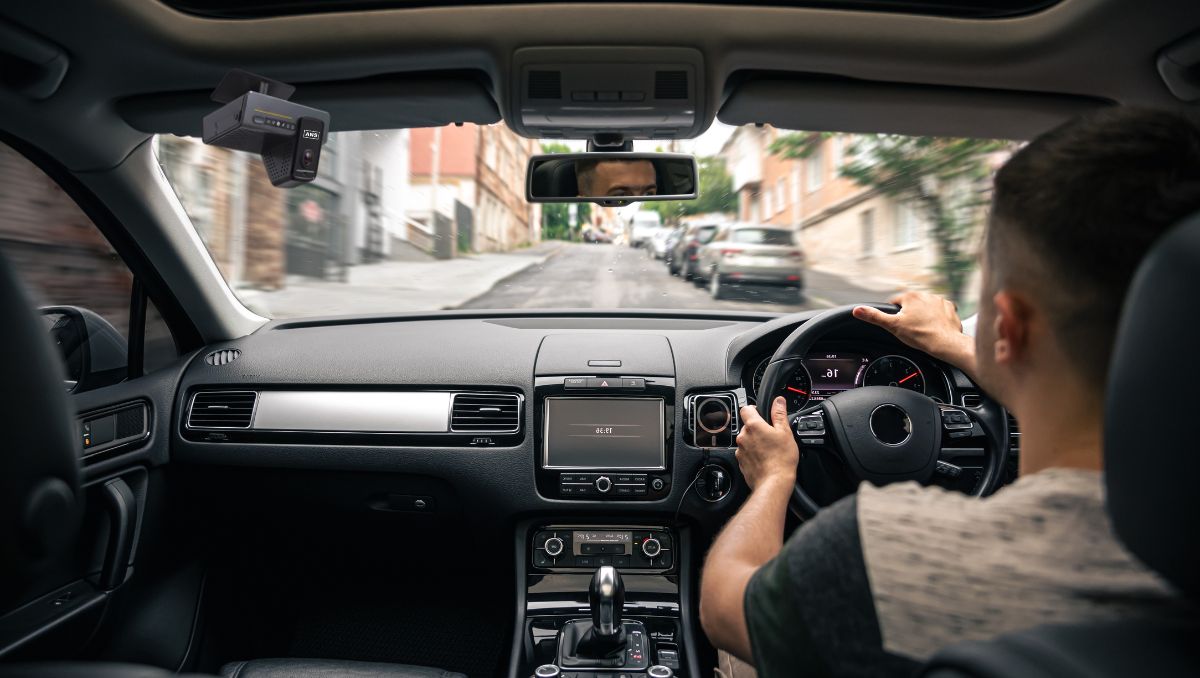
A dash cam, short for dashboard camera, is a compact recording device installed inside a vehicle, usually on the front windshield. It continuously captures video footage of the road while you drive. Some advanced models also record the rear view or even the interior of the car. But understanding how dash cam works in car goes beyond just knowing that it records video. It involves understanding its power system, recording technology, storage method, and safety features.
When the car engine starts, the dash cam automatically powers on and begins recording. It captures high-quality video using a wide-angle lens and stores the footage on a memory card. Most dash cams use loop recording technology, which means they automatically overwrite old footage when the storage is full. This ensures uninterrupted recording without any manual effort.
One of the key reasons why people want to understand how dash cam works in car is its role in accident protection. Many dash cams come equipped with a built-in G-sensor that detects sudden impacts. In case of a collision, the device automatically locks the recorded footage so it cannot be deleted. This feature is extremely helpful for insurance claims and legal evidence.
Additionally, modern dash cams offer advanced features such as parking mode, night vision, GPS tracking, and mobile app connectivity. These features allow drivers to monitor their vehicles even when parked and access recordings instantly through their smartphones.
As traffic congestion and road incidents increase, more vehicle owners in India and around the world are installing dash cams for safety and peace of mind. Knowing exactly how dash cam works in car helps drivers choose the right model and use it effectively.
What is a Dash Cam?
To clearly understand dash cam works in car, it is first important to know what a dash cam actually is and why it has become such an essential device for modern vehicles.
A dash cam, short for dashboard camera, is a compact digital video recording device that is installed inside a car, usually on the front windshield or dashboard. Its main purpose is to continuously record the road ahead while the vehicle is in motion. Some advanced dash cams also record the rear view or the interior cabin, depending on the model and features.
In simple terms, a dash cam acts like a silent eyewitness inside your car. It captures everything happening on the road — traffic conditions, accidents, sudden braking, reckless driving, and unexpected incidents. This recorded footage can later be used as evidence in case of disputes, insurance claims, or legal matters.
When discussing how dash cam works in car, it is important to understand that it is designed for automatic operation. Once connected to the vehicle’s power source, the dash cam turns on when the engine starts and begins recording without needing manual control. It saves the footage onto a memory card and uses loop recording technology to ensure continuous video capture.
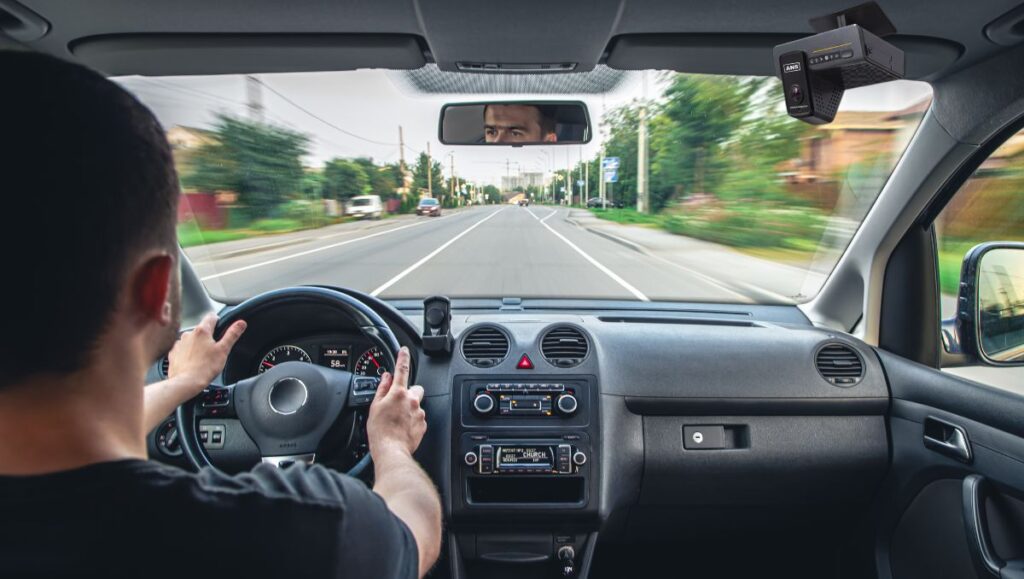
Modern dash cams are equipped with high-resolution cameras, wide-angle lenses, night vision capabilities, and motion sensors. Some models also include GPS tracking, speed recording, and Wi-Fi connectivity for easy access through mobile apps. These advanced features enhance safety and provide detailed information about each journey.
Dash cams are commonly used by personal car owners, taxi drivers, commercial vehicle operators, and fleet managers. In countries like India, where traffic congestion and road accidents are common, dash cams are becoming increasingly popular as a safety and security tool.
Understanding what a dash cam is helps drivers better appreciate how dash cam works in car and why it plays a vital role in protecting both the vehicle and the driver. It is not just a recording device — it is a reliable security companion for every journey.
How Dash Cam Works in Car – Step-by-Step Process
Understanding dash cam works in car becomes much easier when we break it down into a clear, step-by-step process. A dash cam is not just a simple camera; it is a smart recording system that automatically captures, saves, and protects important footage while you drive. Below is a detailed explanation of how the entire process works inside your vehicle.
Step 1: Power Activation
The first step in how dash cam works in car begins with power supply. Most dash cams are connected to the car’s 12V cigarette lighter socket or hardwired to the vehicle’s fuse box. When you start the engine, the dash cam automatically turns on. There is no need to manually press a record button. The system is designed to function automatically every time the car starts.
In some advanced models, built-in batteries or supercapacitors help maintain recording stability and protect saved files.
Step 2: Automatic Video Recording
Once powered on, the dash cam immediately starts recording video through its wide-angle lens. The camera captures the road ahead, nearby vehicles, traffic signals, pedestrians, and unexpected incidents. High-quality dash cams record in Full HD, 2K, or even 4K resolution to ensure clear and detailed footage.
This continuous recording is the core function that explains how dash cam works in car during everyday driving.
Step 3: Video Processing and Compression
After capturing the footage, the internal processor inside the dash cam compresses and converts the video into a digital file format. This helps reduce file size while maintaining good video quality. The processed video is then prepared for storage on the memory card.
This step ensures efficient storage management and smooth performance.
Step 4: Storage in MicroSD Card
The recorded footage is saved onto a MicroSD card inserted into the dash cam. Most dash cams support memory cards ranging from 32GB to 256GB or more. The larger the storage capacity, the longer the device can record before older files are overwritten.
Without a memory card, the dash cam cannot store recordings, which is an important part of understanding how dash cam works in car.
Step 5: Loop Recording System
One of the most important technologies behind how dash cam works in car is loop recording. Instead of recording one long video file, the dash cam saves footage in short clips, usually 1 to 5 minutes long.
When the memory card becomes full, the system automatically deletes the oldest footage and replaces it with new recordings. This ensures uninterrupted recording without requiring manual deletion.
Step 6: G-Sensor Impact Detection
Dash cams are equipped with a built-in G-sensor that detects sudden impacts, sharp braking, or collisions. If an accident occurs, the sensor immediately locks the current video file to prevent it from being deleted during loop recording.
This feature protects important evidence and is one of the main reasons drivers want to understand how dash cam works in car for safety purposes.
Step 7: Parking Mode Monitoring
Many advanced dash cams continue working even when the car is parked. If the dash cam is hardwired or supported by a battery, it can activate parking mode. In this mode, the device remains on standby and starts recording if it detects motion or vibration.
This step ensures vehicle protection even when the engine is turned off.
Step 8: GPS and Data Recording (Optional Feature)
Some dash cams include built-in GPS modules. This allows the device to record additional data such as:
- Vehicle speed
- Exact location
- Route history
- Date and time stamps
This information is embedded into the video file, making it more reliable for legal or insurance purposes.
Step 9: Viewing and Accessing Footage
The final step in understanding how dash cam works in car involves accessing the recorded footage. Users can:
- Remove the memory card and insert it into a computer
- Connect the dash cam directly via USB
- Use Wi-Fi or a mobile app to download videos
This makes it easy to review, share, or save important recordings when needed.
Main Components of a Dash Cam
To fully understand dash cam works in car, it is important to know the main components that make this smart device function smoothly. A dash cam is not just a simple camera attached to your windshield. It is a compact system made up of several important parts that work together to record, process, and store video footage efficiently. Each component plays a key role in ensuring continuous and reliable recording while driving.
1. Camera Lens
The camera lens is one of the most important components of a dash cam. It captures the visual footage of the road ahead. Most dash cams come with a wide-angle lens, typically ranging between 120° to 170°, allowing a broader field of view. This wide coverage ensures that multiple lanes, traffic signals, and surrounding vehicles are recorded clearly.
The quality of the lens directly affects how clearly dash cam works in car, especially in capturing important details like number plates and road signs.
2. Image Sensor
The image sensor works behind the lens and converts light into digital signals. It determines video clarity, color accuracy, and low-light performance. A high-quality image sensor allows the dash cam to perform well during night driving or in poor weather conditions.
Without a good image sensor, the recording quality may appear blurry or unclear.
3. Processor (Chipset)
The processor, also known as the chipset, acts as the brain of the dash cam. It processes video data captured by the image sensor and converts it into digital video files. It also manages features like loop recording, G-sensor detection, GPS tracking, and Wi-Fi connectivity.
A powerful processor ensures smooth performance and explains how efficiently dash cam works in car without lag or recording failure.
4. MicroSD Card Slot
Storage is a crucial component in understanding how dash cam works in car. The MicroSD card slot allows the device to store recorded footage. Most dash cams support memory cards ranging from 32GB to 256GB.
The storage capacity determines how many hours of video can be recorded before old files are overwritten through loop recording.
5. Power Supply System
A dash cam needs a stable power source to function properly. It can receive power through:
- A 12V cigarette lighter socket
- Hardwiring to the vehicle’s fuse box
- Built-in battery or supercapacitor
The power system ensures that the dash cam automatically turns on when the car starts and shuts down safely when the engine is turned off.
6. G-Sensor (Gravity Sensor)
The G-sensor detects sudden movements such as impact, collision, or harsh braking. When an accident occurs, this sensor automatically locks the current recording to prevent it from being deleted during loop recording.
This component is very important for safety and legal evidence.
7. GPS Module (Optional)
Some dash cams include a built-in GPS module. This component records:
- Vehicle speed
- Driving route
- Location coordinates
- Date and time stamps
GPS data adds credibility to video footage and helps in insurance or legal cases.
8. Display Screen
Many dash cams come with a small LCD screen. This screen allows users to:
- View live recording
- Adjust settings
- Replay saved footage
- Check camera angle
Although some compact models operate without screens, having a display makes it easier to manage recordings.
9. Wi-Fi or Connectivity Module
Modern dash cams include Wi-Fi or Bluetooth modules. These allow users to connect the device to a smartphone app. Through the app, users can:
- View real-time footage
- Download videos
- Change camera settings
- Share recordings instantly
This feature makes the overall system more convenient and user-friendly.
10. Mounting Bracket
The mounting bracket secures the dash cam to the windshield or dashboard. A strong mount ensures stability and reduces vibrations, resulting in clearer video footage.
Proper installation is essential to ensure how effectively dash cam works in car during daily driving.
Benefits of Understanding How Dash Cam Works in Car
In today’s traffic-heavy environment, installing a dash camera is becoming increasingly common among car owners. However, simply installing the device is not enough. Knowing exactly dash cam works in car provides several important advantages that go beyond basic usage. When drivers understand the working mechanism, features, and technical functions of a dash cam, they can use it more effectively and gain maximum benefits.
Better Purchase Decisions
One major benefit of understanding dash cam works in car is making smarter buying decisions. The market offers various models with different features such as Full HD recording, 4K resolution, GPS tracking, parking mode, and Wi-Fi connectivity. When you know how the device operates, you can choose a dash cam that matches your driving needs, budget, and vehicle type.
For example, if you frequently drive at night, you may prioritize a dash cam with a strong image sensor and night vision. If you manage a fleet, you might prefer a model with GPS tracking and data logging.
Proper Installation and Setup
Knowing how dash cam works in car ensures correct installation. Some dash cams require simple plug-and-play setup, while others may need hardwiring to enable parking mode. Understanding the power connection, camera angle positioning, and memory card requirements helps avoid common mistakes that could affect performance.
Correct installation ensures stable recording, better video clarity, and long-term reliability.
Effective Use of Features
Modern dash cams come with advanced features such as loop recording, G-sensor protection, motion detection, and mobile app connectivity. When drivers understand how these features function, they can use them properly.
For instance, knowing how the G-sensor locks accident footage prevents important files from being overwritten. Understanding loop recording helps manage storage efficiently. Awareness of parking mode ensures your vehicle remains protected even when the engine is off.
Improved Safety and Legal Protection
Another key benefit of understanding dash cam works in car is enhanced legal awareness. In case of road accidents, disputes, or insurance claims, dash cam footage acts as reliable evidence. When drivers understand how recordings are saved and protected, they can quickly retrieve and present the necessary video files.
This knowledge can save time, reduce stress, and strengthen your case during legal proceedings.
Better Maintenance and Longevity
Understanding the internal components and working process of a dash cam also helps in proper maintenance. Regularly formatting the memory card, updating firmware, and checking the power connection can extend the life of the device.
Drivers who know how dash cam works in car are less likely to face recording failures or data loss because they maintain the device properly.
Enhanced Vehicle Security
Dash cams are not only useful during driving but also during parking. When you understand how parking mode and motion detection work, you can configure the device to monitor your car even when it is unattended. This provides extra protection against theft, vandalism, or hit-and-run incidents.
Greater Confidence While Driving
Finally, one of the biggest benefits of understanding dash cam works in car is peace of mind. Knowing that your vehicle is continuously recording and protecting you from false claims or fraud gives drivers greater confidence on the road.
Do Dash Cams Work When the Car Is Off?
One of the most common questions car owners ask is whether a dash cam continues recording after the engine is turned off. To fully understand this, it is important to first know how dash cam works in car under different power conditions. While most dash cams are designed to operate automatically when the vehicle is running, their ability to function when the car is off depends on the model and installation type.
Standard Dash Cams and Engine Power
In most basic setups, a dash cam is connected to the car’s 12V cigarette lighter socket. This socket typically supplies power only when the ignition is on. As a result, when the engine is turned off, the dash cam also shuts down automatically. In such cases, the device does not record while the car is parked.
This setup is common in entry-level models and is sufficient for drivers who only want recording during active driving.
Parking Mode Feature
Advanced dash cams are equipped with a feature called parking mode. This feature allows the camera to monitor the vehicle even when the engine is off. To activate parking mode, the dash cam must be either hardwired to the car’s fuse box or supported by a battery pack.
Parking mode works in two main ways:
- Motion Detection: The dash cam starts recording when it detects movement near the vehicle.
- Impact Detection: The built-in G-sensor activates recording if it senses vibration or collision.
This explains how dash cam works in car even when it is parked, offering additional protection against theft, vandalism, or hit-and-run incidents.
Hardwiring for Continuous Power
For dash cams to work when the car is off, hardwiring is often required. In this setup, the device is connected directly to the vehicle’s electrical system. A hardwire kit usually includes a low-voltage protection feature to prevent the car battery from draining completely.
This setup ensures that the dash cam can remain on standby and record only when necessary, without damaging the vehicle battery.
Built-In Battery or Supercapacitor
Some dash cams include a small built-in battery or supercapacitor. However, these are generally designed to safely save footage after the engine is turned off, not to provide long-term recording. The internal battery typically supports recording for a short period only.
Therefore, understanding how dash cam works in car helps clarify that built-in batteries are mainly for emergency backup rather than extended parking surveillance.
External Battery Packs
For users who want extended parking monitoring without risking battery drain, external battery packs are available. These batteries charge while driving and power the dash cam when the vehicle is parked. This option is popular among premium car owners and fleet operators.
Important Considerations
Before enabling recording when the car is off, drivers should consider:
- Battery health and capacity
- Installation quality
- Climate conditions (extreme heat can affect batteries)
- Storage capacity for extended recording
Proper setup ensures that how dash cam works in car remains efficient and reliable at all times.
Is Dash Cam Legal in India?
With the rising demand for vehicle safety and accident evidence, many drivers are installing dashboard cameras in their cars. However, before purchasing one, a common question arises — is a dash cam legal in India? To answer this properly, it is also important to understand how dash cam works in car and how it is used responsibly within legal boundaries.
Legal Status of Dash Cams in India
As of now, dash cams are legal in India for personal use. There is no specific law that bans installing or using a dash cam in a private or commercial vehicle. In fact, many car owners, taxi drivers, and fleet operators use dash cams for safety, security, and proof in case of accidents.
Understanding how dash cam works in car helps clarify that it is simply a recording device that captures road activity while driving. It functions automatically and records video footage for safety purposes, not for illegal surveillance.
Use as Legal Evidence
Dash cam footage can be used as supporting evidence in:
- Road accident disputes
- Insurance claims
- Hit-and-run cases
- Fraud prevention
Indian courts may consider dash cam footage as valid evidence if it is authentic and not tampered with. Since dash cams record date, time, and sometimes GPS data, the footage can help establish facts during legal proceedings.
Privacy Considerations
Although dash cams are legal, privacy laws must be respected. India recognizes the Right to Privacy as a fundamental right under Article 21 of the Constitution. Therefore, drivers should avoid:
- Recording inside private properties without permission
- Misusing footage on social media
- Sharing videos that violate someone’s privacy
When understanding how dash cam works in car, it is clear that its purpose is road safety and protection — not spying or invading privacy.
Restrictions in Sensitive Areas
While dash cams are legal, recording may be restricted in certain sensitive or high-security areas, such as:
- Military zones
- Government security premises
- Defense installations
In such locations, authorities may prohibit video recording for security reasons. Drivers should always follow local rules and signage.
Commercial Vehicles and Fleet Usage
Many taxi services, ride-sharing drivers, and transport companies in India use dash cams to improve passenger and driver safety. In commercial settings, it is advisable to inform passengers if cabin recording is enabled. Transparency helps maintain trust and legal compliance.
Responsible Usage Is Key
The legality of dash cams in India largely depends on responsible usage. Since dash cam works in car by continuously recording surroundings, users must ensure the footage is used ethically and only for safety purposes.
Avoid editing or misrepresenting recordings, and always handle video data carefully to prevent misuse.
Why Dash Cam Is Becoming Popular in India
In recent years, dash cameras have rapidly gained popularity among Indian car owners. From personal vehicles to commercial fleets, more drivers are investing in this small yet powerful device. To understand this growing trend, it is helpful to first know how dash cam works in car and why it has become an essential safety tool on Indian roads.
Rising Road Accidents and Traffic Congestion
India has one of the highest numbers of road accidents in the world. With increasing vehicles, heavy traffic, and unpredictable driving behavior, disputes and collisions have become common. Because dash cam works in car by continuously recording the road, it provides reliable video proof during accidents. This recorded footage helps drivers protect themselves from false claims and legal complications.
As awareness about accident documentation increases, more drivers are installing dash cams for safety and evidence.
Protection Against Insurance Fraud
Insurance fraud and staged accidents are growing concerns in many cities. Some individuals intentionally cause minor accidents to demand money from innocent drivers. Since dash cam works in car by capturing real-time footage, it becomes a strong defense against such scams.
Clear video evidence makes insurance claim processes smoother and prevents unnecessary financial losses.
Increased Awareness Through Social Media
Dash cam videos often go viral on social media platforms, showing accidents, reckless driving, or unexpected road incidents. These real-life examples have increased awareness about the importance of in-car recording systems.
When people see how effectively dash cam works in car to capture critical moments, they realize its practical value and consider installing one for their own protection.
Growing Ride-Sharing and Taxi Services
With the rise of ride-sharing platforms like Ola and Uber, both drivers and passengers are prioritizing safety. Many taxi drivers install dash cams to record both front-road activity and cabin interactions. This ensures transparency and security for both parties.
Since dash cam works in car automatically without manual operation, it becomes a convenient safety solution for commercial drivers.
Affordable Technology and Easy Installation
Earlier, dash cams were considered expensive accessories. Today, they are available in various price ranges, making them affordable for middle-class car owners. Plug-and-play models make installation simple without requiring professional help.
As people learn how dash cam works in car, they realize that it is not a complicated device but a user-friendly safety tool.
Parking Safety and Vehicle Security
Car owners in India often park their vehicles on streets or in open areas. Hit-and-run damage and vandalism are common issues. Advanced dash cams with parking mode continue monitoring even when the engine is off.
This feature explains why understanding how dash cam works in car is important — it provides protection not only while driving but also while parked.
Legal and Evidence Support
Dash cam footage is increasingly being accepted as supporting evidence in legal and insurance cases. Drivers feel more confident knowing that they have recorded proof in case of disputes. This sense of security is one of the biggest reasons for the growing demand in India.
Final Thoughts: How Dash Cam Works in Car
Understanding dash cam works in car gives drivers more than just technical knowledge — it provides confidence, security, and smarter control over vehicle safety. A dash cam is not simply a small camera attached to the windshield; it is a complete recording system designed to automatically capture, store, and protect important road footage every time you drive.
At its core, the way dash cam works in car is simple yet powerful. The device connects to the vehicle’s power source, turns on automatically when the engine starts, and begins recording the road ahead. Using loop recording technology, it continuously saves video clips on a memory card and overwrites old files when storage becomes full. In case of sudden impact or collision, the built-in G-sensor locks important footage to prevent deletion. This ensures that critical evidence is always protected.
Modern dash cams go beyond basic recording. Features like night vision, wide-angle lenses, GPS tracking, parking mode, and mobile app connectivity make them advanced safety tools. These functions allow the dash cam to monitor not only while driving but also when the car is parked. This comprehensive protection is one of the key reasons why more drivers are learning how dash cam works in car and choosing to install one.
For Indian road conditions — where traffic congestion, unexpected incidents, and insurance disputes are common — having recorded proof can make a significant difference. Dash cams help prevent fraud, support insurance claims, and provide clarity in legal matters. They also encourage responsible driving, as drivers know their journeys are being recorded.
Another important point is ease of use. Once installed, a dash cam requires very little daily management. It operates automatically, stores footage efficiently, and can be accessed easily through memory cards or smartphone apps. This user-friendly design makes it suitable for personal cars, taxis, and commercial fleets alike.
In conclusion, knowing how dash cam works in car highlights why it has become an essential vehicle accessory rather than a luxury gadget. It combines technology, safety, and convenience into one compact device. For any driver seeking protection, transparency, and peace of mind on the road, a dash cam is a smart and practical investment.