
Introduction: Smart Waste Management System in India
India’s rapid urban growth, increasing population, and rising consumption have led to a significant increase in solid waste generation. Managing this waste using traditional methods has become inefficient, costly, and environmentally harmful. This is where a smart waste management system in India plays a critical role. By integrating advanced technologies such as IoT, GPS tracking, sensors, and data analytics, smart waste management offers a modern, scalable solution to India’s growing waste challenges.
A smart waste management system in India focuses on real-time monitoring of waste levels, optimized collection routes, and transparent operations. Unlike conventional waste collection, which relies on fixed schedules and manual supervision, smart systems collect data automatically and enable authorities to make informed decisions. This results in cleaner cities, reduced operational costs, and improved public health outcomes.
Government initiatives like the Swachh Bharat Mission and Smart Cities Mission have further accelerated the adoption of smart waste management solutions across urban and semi-urban areas. These systems help municipalities and organizations maintain hygiene standards, reduce landfill pressure, and support sustainable development goals.
ANS IT India is a smart waste management system company providing technology-driven solutions tailored for Indian conditions. With expertise in IoT-enabled waste monitoring, GPS-based vehicle tracking, and centralized dashboards, ANS IT India helps municipalities, industries, and commercial spaces implement reliable and efficient smart waste management systems. Their solutions are designed to improve efficiency, ensure accountability, and create cleaner, smarter cities across India.
In today’s digital era, adopting a smart waste management system in India is no longer an option but a necessity for sustainable urban living and environmental protection.
What is a Smart Waste Management System in India?
A smart waste management system in India is a technology-enabled approach to collecting, monitoring, and managing waste in a more efficient, transparent, and sustainable way. As Indian cities continue to grow rapidly, traditional waste management methods struggle with issues such as overflowing bins, delayed collection, high operational costs, and environmental pollution. Smart waste management systems address these challenges by using digital tools and real-time data to improve the entire waste handling process.
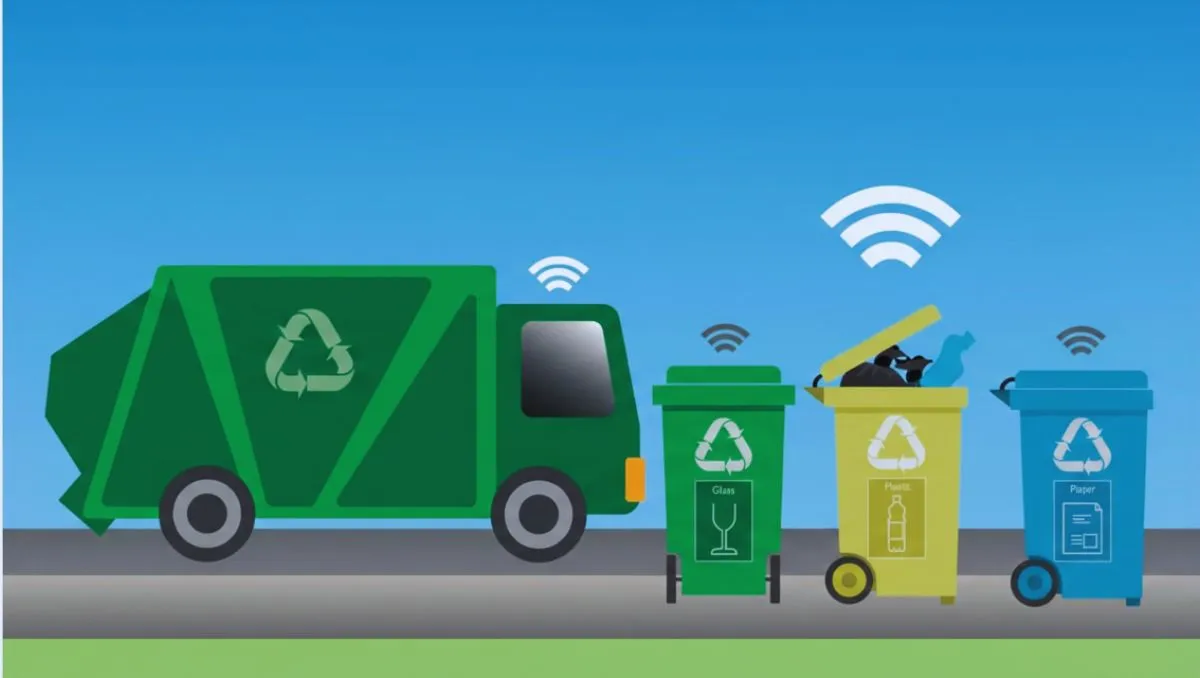
At its core, a smart waste management system uses IoT-based sensors installed in waste bins to monitor fill levels, temperature, and movement. These sensors send real-time data to a centralized platform, allowing authorities to know exactly when and where waste needs to be collected. This eliminates guesswork and fixed schedules, ensuring that bins are emptied only when required.
Another key feature of a smart waste management system in India is GPS-enabled vehicle tracking. Waste collection vehicles are monitored in real time, helping municipal bodies track routes, verify collection activities, and prevent fuel misuse or route deviation. Advanced software also enables route optimization, ensuring that collection vehicles follow the most efficient paths, saving time and fuel.
The system is managed through a centralized dashboard, where officials can view live data, generate reports, analyze waste patterns, and measure operational performance. This data-driven approach improves accountability and supports better planning for future waste infrastructure.
Smart waste management systems play a vital role in national initiatives such as the Swachh Bharat Mission and the Smart Cities Mission, helping cities improve cleanliness, reduce landfill burden, and lower carbon emissions. They are widely used by municipal corporations, housing societies, industrial zones, hospitals, and commercial complexes.
Key Components of a Smart Waste Management System in India
A smart waste management system in India is built on advanced technologies that work together to improve waste collection efficiency, reduce costs, and support sustainable urban development. Instead of relying on manual processes and fixed schedules, smart systems use real-time data and automation to manage waste effectively. Below are the key components that make a smart waste management system reliable and future-ready in the Indian context.
1. Smart Waste Bins
Smart waste bins are the foundation of a smart waste management system in India. These bins are equipped with sensors that detect fill levels, weight, and sometimes temperature. When the bin reaches a certain capacity, it automatically sends alerts to the control system, ensuring timely collection and preventing overflow.
Benefits:
- Avoids overflowing garbage
- Improves hygiene in public areas
- Reduces unnecessary collection trips
2. IoT Sensors and Connectivity
IoT (Internet of Things) sensors collect real-time data from waste bins and transmit it to a centralized platform. These sensors work using GSM, NB-IoT, or other wireless networks suitable for Indian urban and semi-urban environments. Continuous connectivity ensures that waste status is always visible to authorities.
Benefits:
- Real-time monitoring
- Faster response to issues
- Reliable performance across locations
3. GPS-Based Vehicle Tracking
GPS tracking is a critical component of a smart waste management system in India. It allows real-time monitoring of waste collection vehicles, helping authorities track routes, collection points, and stoppage times. This improves accountability and ensures that all assigned areas are properly serviced.
Benefits:
- Prevents route deviation
- Reduces fuel misuse
- Enhances operational transparency
4. Centralized Monitoring Dashboard
All data from bins, sensors, and vehicles is displayed on a centralized digital dashboard. Municipal officials and system administrators can monitor live operations, generate reports, and analyze performance from a single interface.
Benefits:
- Easy decision-making
- Performance tracking
- Data-driven planning
5. Route Optimization and Scheduling Software
Smart software analyzes bin fill-level data and vehicle locations to create optimized collection routes. This reduces travel distance and time, making waste collection more efficient and cost-effective.
Benefits:
- Lower fuel consumption
- Reduced operational costs
- Faster waste collection
6. Alerts and Notification System
Automated alerts notify operators about full bins, missed collections, vehicle delays, or system faults. This ensures quick action and minimizes service disruptions.
Benefits:
- Quick issue resolution
- Improved service reliability
- Reduced manual follow-ups
7. Data Analytics and Reporting Tools
Data analytics tools help authorities study waste generation trends, identify high-waste zones, and plan infrastructure improvements. Reports also support audits and compliance with government cleanliness standards.
Benefits:
- Better long-term planning
- Improved policy decisions
- Measurable performance outcomes
Role of Smart Waste Management System in Smart Cities Mission
The Smart Cities Mission aims to transform urban living in India by improving infrastructure, sustainability, and quality of life through technology-driven solutions. One of the most critical pillars of this initiative is urban cleanliness and environmental management. In this context, the smart waste management system in India plays a vital role in helping cities become cleaner, more efficient, and more livable.
Supporting the Core Objectives of Smart Cities Mission
The Smart Cities Mission focuses on smart governance, sustainable development, and efficient use of resources. A smart waste management system in India directly supports these objectives by replacing manual waste collection with automated, data-driven processes. Real-time monitoring and digital control help city authorities manage waste proactively instead of reacting to complaints.
Improving Urban Cleanliness and Hygiene
Clean public spaces are essential for smart cities. Smart waste management systems use sensor-enabled bins to prevent overflow and ensure timely waste collection. This reduces foul odors, pest problems, and health risks, contributing to better hygiene standards across cities.
Enabling Data-Driven Urban Governance
One of the defining features of a smart city is data-based decision-making. A smart waste management system in India generates valuable data on waste generation patterns, collection efficiency, and resource usage. This data helps municipal corporations plan better infrastructure, allocate budgets wisely, and measure the performance of service providers.
Optimizing Municipal Resources
Smart cities aim to use resources efficiently. With GPS tracking and route optimization, smart waste management reduces fuel consumption, manpower costs, and vehicle wear and tear. This leads to significant cost savings for urban local bodies while improving service delivery.
Enhancing Transparency and Accountability
Transparency is a key requirement of the Smart Cities Mission. A smart waste management system in India provides real-time visibility into waste collection activities. Authorities can track vehicles, verify collection routes, and ensure no area is neglected. This builds public trust and improves accountability.
Supporting Environmental Sustainability
Smart cities are designed to be environmentally responsible. Smart waste management systems help reduce carbon emissions by minimizing unnecessary vehicle movement and encouraging efficient waste handling. They also support waste segregation, recycling, and scientific disposal, reducing landfill pressure.
Integration with Integrated Command and Control Centers (ICCC)
Many smart cities operate Integrated Command and Control Centers. A smart waste management system in India can be seamlessly integrated into these centers, allowing city officials to monitor waste operations alongside traffic, water, and public safety systems.
Use Cases of Smart Waste Management System in India
The rapid expansion of cities, industries, and infrastructure has made waste management one of India’s biggest urban challenges. Traditional waste collection methods are often inefficient, costly, and difficult to monitor. A smart waste management system in India addresses these issues by using technology such as IoT sensors, GPS tracking, and data analytics to manage waste in a more organized and sustainable way. Below are the key use cases where smart waste management systems are making a measurable impact across the country.
Municipal Corporations and Urban Local Bodies
One of the largest use cases of a smart waste management system in India is in municipal waste management. Cities generate enormous volumes of solid waste daily, and managing this manually is impractical. Smart bins with real-time fill-level monitoring help municipalities plan waste collection efficiently. GPS-enabled vehicles and centralized dashboards ensure timely collection, reduced fuel consumption, and improved accountability.
Smart Cities and Integrated Command Centers
Under the Smart Cities Mission, many cities operate Integrated Command and Control Centers. A smart waste management system in India integrates seamlessly with these centers, allowing city officials to monitor waste operations alongside traffic, water supply, and public safety. This centralized control improves urban governance and service coordination.
Residential Societies and Gated Communities
Large housing societies and townships generate significant amounts of household waste. Smart waste management systems help society management monitor bin status, ensure timely pickup, and maintain hygiene standards. Data insights also support waste segregation and recycling initiatives, making residential areas cleaner and more sustainable.
Industrial Areas and Manufacturing Units
Industrial zones generate different types of waste, including hazardous and non-hazardous materials. A smart waste management system in India enables industries to track waste generation, ensure compliance with environmental regulations, and maintain accurate records. Real-time monitoring reduces the risk of improper disposal and improves operational efficiency.
Commercial Complexes and Business Parks
Shopping malls, office complexes, IT parks, and SEZs experience high footfall and produce large volumes of waste daily. Smart waste systems ensure bins do not overflow during peak hours and help facility managers optimize cleaning and collection schedules. This enhances cleanliness and improves visitor experience.
Hospitals and Healthcare Facilities
Healthcare facilities require strict waste handling due to biomedical waste risks. A smart waste management system in India supports controlled collection, monitoring, and reporting of waste movement within hospital premises. This improves hygiene, reduces health risks, and supports compliance with biomedical waste management rules.
Educational Institutions
Schools, colleges, and universities generate diverse waste types, including paper, plastic, and food waste. Smart waste management systems help institutions monitor waste generation patterns, promote segregation at source, and maintain a clean campus environment. These systems also support sustainability education initiatives.
Airports, Railway Stations, and Transport Hubs
Public transport hubs experience constant passenger movement and high waste generation. A smart waste management system in India ensures continuous monitoring of bins, rapid response to full containers, and optimized cleaning schedules. This improves sanitation and passenger satisfaction.
Hotels, Restaurants, and Hospitality Sector
The hospitality industry generates food waste and packaging waste on a large scale. Smart waste systems help track waste volumes, identify reduction opportunities, and ensure timely disposal. This supports cost control and sustainable hospitality practices.
Public Events and Large Gatherings
Festivals, exhibitions, and public events generate sudden spikes in waste. A smart waste management system in India enables temporary deployment of smart bins and real-time monitoring, ensuring quick collection and cleaner event spaces without excessive manpower.
Government and Public Sector Facilities
Government offices, courts, and public buildings use smart waste management systems to maintain cleanliness standards, improve transparency, and demonstrate leadership in adopting digital governance and sustainability practices.
Challenges in Traditional Waste Management in India
India’s fast-growing population and rapid urbanization have placed immense pressure on existing waste management systems. Despite continuous efforts by municipal bodies, traditional waste management practices are struggling to keep pace with the increasing volume and complexity of waste. These challenges highlight why the smart waste management system in India is becoming a necessary alternative rather than an option.
Lack of Real-Time Monitoring
One of the biggest limitations of traditional waste management is the absence of real-time visibility. Waste bins are collected based on fixed schedules rather than actual need. This often leads to overflowing bins in busy areas and unnecessary collection trips in low-waste zones. Without live data, authorities are unable to respond quickly to on-ground issues.
Inefficient Waste Collection Routes
Traditional systems rely on predefined routes that do not change based on waste volume. Collection vehicles often travel long distances without full loads, resulting in higher fuel consumption, increased operational costs, and unnecessary carbon emissions. This inefficiency directly impacts municipal budgets and service quality.
High Operational and Maintenance Costs
Manual monitoring, excess fuel usage, and inefficient manpower deployment make traditional waste management expensive. With limited budgets, many local bodies struggle to maintain consistent service quality. These rising costs make it difficult to scale operations as cities expand.
Poor Accountability and Transparency
In traditional setups, it is challenging to track whether waste collection vehicles have covered all assigned areas. Missed pickups, route deviations, and delayed services often go unnoticed. This lack of transparency reduces public trust and creates opportunities for inefficiencies and mismanagement.
Overflowing Bins and Public Health Risks
Overflowing waste bins are a common sight in many Indian cities. Accumulated waste attracts insects, rodents, and stray animals, increasing the risk of disease spread. Poor waste handling also contributes to unpleasant odors and environmental pollution, affecting the overall quality of urban life.
Limited Waste Segregation and Recycling
Traditional waste management systems often mix all types of waste—organic, recyclable, and hazardous—into a single stream. This makes recycling difficult and increases dependence on landfills. As a result, valuable resources are lost, and landfill sites continue to expand.
Inadequate Data for Planning and Policy
Without accurate data on waste generation patterns, authorities find it difficult to plan infrastructure, allocate resources, or improve policies. Decisions are often based on estimates rather than actual data, leading to inefficient long-term planning.
Difficulty in Managing Rapid Urban Growth
As cities expand and new residential and commercial areas develop, traditional waste management systems fail to scale effectively. The lack of automation and technology makes it difficult to manage increased waste volumes efficiently.
Why Smart Waste Management Is the Way Forward
These challenges clearly demonstrate the limitations of conventional waste handling methods. A smart waste management system in India addresses these issues by offering real-time monitoring, optimized routing, improved transparency, and data-driven decision-making. By adopting smart solutions, cities can reduce costs, improve cleanliness, and support sustainable urban development.
Growing Need for Smart Waste Management in India
India is witnessing rapid urbanization, population growth, and changing consumption patterns. While these developments support economic progress, they also create a serious challenge—managing the ever-increasing volume of waste. Traditional waste handling methods are no longer sufficient to address today’s urban realities. This has led to a growing demand for a smart waste management system in India that is efficient, transparent, and environmentally sustainable.
Rising Urban Population and Waste Generation
India’s cities are expanding faster than ever. With more people comes more household, commercial, and industrial waste. Conventional waste collection systems, which rely on fixed schedules and manual supervision, struggle to cope with this surge. A smart waste management system in India helps cities handle growing waste volumes through real-time monitoring and automated processes.
Limitations of Traditional Waste Management
Overflowing bins, irregular collection, and poor route planning are common problems in traditional waste management. These issues lead to unhygienic conditions, public complaints, and higher operational costs. Without real-time data, authorities are forced to operate reactively. Smart waste management systems eliminate these inefficiencies by using technology to track and manage waste intelligently.
Increasing Focus on Cleanliness and Public Health
Public awareness about cleanliness and hygiene has increased significantly in recent years. Improper waste handling contributes to the spread of diseases, air pollution, and water contamination. A smart waste management system in India ensures timely waste collection, reduces health risks, and helps maintain cleaner living environments.
Support from Government Initiatives
National programs such as the Swachh Bharat Mission and the Smart Cities Mission emphasize technology-driven urban management. Smart waste management systems align perfectly with these initiatives by enabling digital governance, performance monitoring, and sustainable waste practices. As more cities participate in these programs, the demand for smart solutions continues to grow.
Need for Cost Efficiency and Resource Optimization
Municipal bodies operate under tight budgets. Rising fuel prices, manpower costs, and maintenance expenses make traditional systems financially unsustainable. A smart waste management system in India optimizes collection routes, reduces unnecessary trips, and ensures better utilization of resources, leading to long-term cost savings.
Environmental Sustainability and Climate Concerns
Waste mismanagement contributes to landfill overflow, greenhouse gas emissions, and environmental degradation. Smart waste management systems reduce carbon emissions by optimizing vehicle movement and encouraging recycling and waste segregation. These systems play a crucial role in helping cities meet sustainability and climate goals.
Demand for Transparency and Accountability
Citizens today expect better services and greater accountability from local authorities. Smart waste management systems provide real-time tracking, digital records, and performance reports. This transparency builds public trust and improves service delivery across urban and semi-urban areas.
Technology Behind Smart Waste Management Systems
The effectiveness of modern urban cleanliness initiatives depends heavily on technology. A smart waste management system in India uses a combination of digital tools, automation, and data analytics to overcome the limitations of traditional waste handling methods. These technologies work together to ensure efficient collection, reduced costs, and sustainable waste disposal across cities and towns.
Internet of Things (IoT) Sensors
IoT technology forms the backbone of a smart waste management system in India. Smart bins are equipped with ultrasonic or weight sensors that continuously measure fill levels. Some sensors also monitor temperature and movement to detect fire risks or tampering. This real-time data allows authorities to know exactly when bins need to be emptied, preventing overflow and unnecessary collection.
Wireless Communication Networks
Collected data is transmitted through reliable communication technologies such as GSM, NB-IoT, LoRa, or LTE. These networks ensure uninterrupted data flow even in dense urban areas or semi-urban locations. Strong connectivity is essential for maintaining real-time visibility and system reliability.
GPS and Vehicle Tracking Technology
GPS-enabled tracking systems monitor waste collection vehicles in real time. This technology allows authorities to track vehicle location, speed, route history, and stoppage points. In a smart waste management system in India, GPS tracking improves accountability, prevents route deviation, and ensures complete area coverage.
Route Optimization Algorithms
Advanced software uses AI-based algorithms to analyze bin fill levels, traffic conditions, and vehicle availability. Optimized routes are then generated to minimize travel distance and collection time. This technology significantly reduces fuel consumption and operational costs while improving service efficiency.
Centralized Cloud-Based Platforms
Cloud computing enables centralized storage and processing of large volumes of data generated by sensors and vehicles. A smart waste management system in India uses cloud-based dashboards to provide real-time insights, historical reports, and performance analytics accessible from anywhere.
Data Analytics and Reporting Tools
Data analytics converts raw data into actionable insights. Authorities can identify high-waste zones, predict waste generation trends, and plan infrastructure accordingly. Reports generated by analytics tools support compliance, audits, and long-term policy decisions.
Mobile and Web Applications
Mobile and web apps allow field staff, supervisors, and administrators to interact with the system in real time. Notifications, task updates, and issue reporting can be managed easily, improving coordination and response times.
Integration with Smart City Infrastructure
Smart waste management systems are designed to integrate with Integrated Command and Control Centers (ICCC) and other smart city platforms. This integration enables city authorities to manage waste alongside traffic, water, and public safety systems, creating a unified urban management framework.
Optimized Waste Collection and Transportation
Efficient waste collection and transportation are the backbone of urban cleanliness. In India, traditional waste collection methods often suffer from poor planning, high fuel consumption, and inconsistent service quality. A smart waste management system in India addresses these challenges by introducing technology-driven optimization that improves both collection efficiency and transportation logistics.
Limitations of Conventional Waste Collection
Traditional waste collection follows fixed schedules and predefined routes, regardless of actual waste volume. This results in overflowing bins in high-density areas and unnecessary trips in low-waste zones. Such inefficiencies increase operational costs, strain manpower, and contribute to environmental pollution.
Role of Smart Waste Management in Optimizing Collection
A smart waste management system in India uses sensor-enabled bins to monitor waste levels in real time. Collection is triggered based on actual need rather than assumptions. This demand-based approach ensures that bins are emptied at the right time, maintaining cleanliness and preventing overflow.
Route Optimization Through Data Analytics
Smart systems analyze real-time data from bins, vehicles, and traffic conditions to create optimized collection routes. Vehicles are assigned routes that minimize travel distance and time, reducing fuel consumption and vehicle wear. This intelligent routing significantly lowers operational costs while improving service reliability.
GPS-Enabled Waste Transportation
GPS tracking plays a vital role in waste transportation under a smart waste management system in India. Authorities can monitor vehicle movement, verify route adherence, and ensure timely waste transfer to processing or disposal sites. This improves transparency and accountability throughout the transportation process.
Improved Fleet Utilization
Optimized scheduling ensures that waste collection vehicles are used efficiently. Smart systems balance workloads, prevent overuse of certain vehicles, and reduce idle time. This extends vehicle lifespan and reduces maintenance expenses.
Environmental and Economic Benefits
Optimized waste collection and transportation reduce carbon emissions by minimizing unnecessary vehicle movement. Lower fuel usage directly contributes to cost savings and supports environmental sustainability goals, aligning with national initiatives for cleaner cities.
Support for Government Initiatives Through Smart Waste Management Systems in India
India’s government has launched several large-scale initiatives to improve cleanliness, public health, and urban infrastructure. However, achieving the goals of these programs requires more than awareness campaigns and manual efforts—it demands technology-driven solutions. This is where a smart waste management system in India plays a crucial role. By combining digital tools with on-ground operations, smart waste management systems strongly support and strengthen key government initiatives in a way that people can easily understand and experience in daily life.
Strengthening the Swachh Bharat Mission
The Swachh Bharat Mission focuses on making India clean, open-defecation free, and hygienic. One of the biggest challenges under this mission is ensuring regular and timely waste collection. A smart waste management system in India helps by monitoring waste bins in real time and alerting authorities before they overflow. This ensures cleaner streets, markets, and residential areas, directly supporting the core objective of Swachh Bharat—clean surroundings for every citizen.
For the public, this means fewer garbage piles, reduced bad odor, and healthier neighborhoods.
Supporting the Smart Cities Mission
The Smart Cities Mission aims to use technology to improve urban living. A smart waste management system in India fits perfectly into this vision by enabling digital monitoring, automated decision-making, and transparent operations. Waste data collected through sensors and GPS systems can be integrated into city command centers, allowing officials to manage waste alongside traffic, water, and public safety systems.
For citizens, this translates into faster service, fewer complaints, and a more organized city environment.
Enabling Digital Governance and Transparency
Government initiatives increasingly focus on transparency and accountability. Traditional waste management often lacks clear records of collection activities. A smart waste management system in India creates digital logs, real-time tracking, and performance reports. This makes it easier for authorities to monitor contractors, verify work completion, and ensure public funds are used effectively.
From a people’s perspective, this builds trust, as services become visible and measurable.
Helping Achieve Environmental and Climate Goals
India has committed to reducing carbon emissions and promoting sustainable development. Inefficient waste collection leads to excessive fuel usage and higher emissions. Smart waste management systems optimize routes and reduce unnecessary vehicle movement, helping cities lower their environmental footprint.
For communities, this means cleaner air, reduced pollution, and a healthier environment.
Supporting Urban Local Bodies (ULBs)
Urban Local Bodies often operate with limited resources and manpower. A smart waste management system in India helps them do more with less by automating monitoring and planning. This reduces dependence on manual supervision and improves service coverage without increasing costs.
For residents, this results in more consistent waste collection and better service quality.
Improving Compliance and Reporting
Government programs require regular reporting and performance evaluation. Smart waste management systems generate accurate data and reports that help municipalities comply with regulatory requirements. This simplifies audits and improves policy planning.
People benefit indirectly as better compliance leads to improved services and long-term infrastructure planning.
ANS IT India: A Smart Waste Management System
As Indian cities continue to grow, managing waste efficiently has become one of the biggest challenges for municipalities, industries, and communities. Traditional waste collection methods often lead to overflowing bins, delayed pickups, and high operational costs. This is why the smart waste management system is gaining importance—and ANS IT India stands out as a trusted company delivering these modern solutions in a practical, people-friendly way.
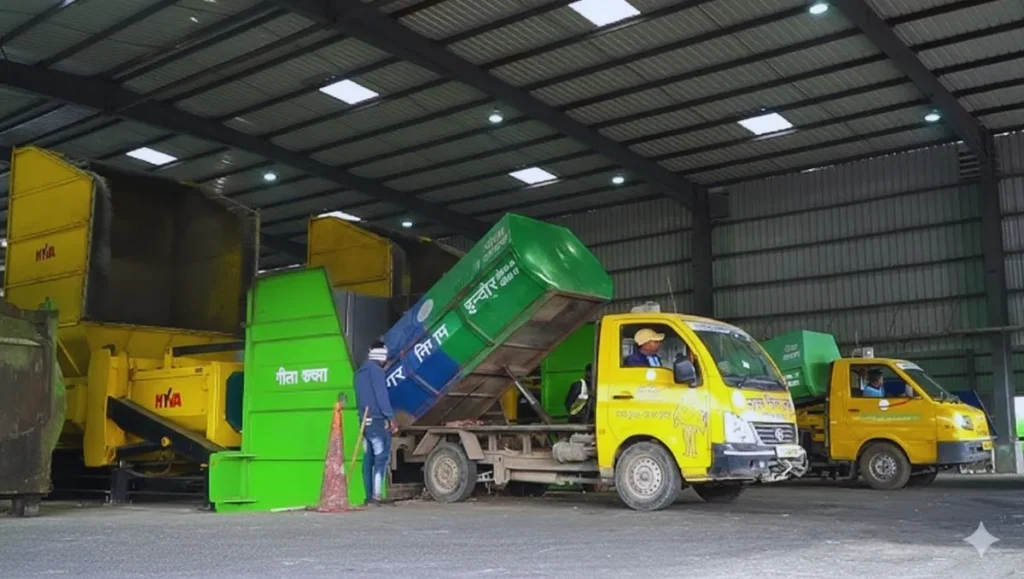
Understanding the Real Problem on the Ground
In many Indian cities and towns, people face common waste-related issues: garbage piles near homes, unpleasant odors, health risks, and irregular waste collection. These problems are not just about cleanliness; they affect daily life, public health, and the environment. ANS IT India understands these ground-level challenges and designs solutions that work in real Indian conditions, not just on paper.
Who is ANS IT India?
ANS IT India is a technology-driven company providing smart waste management system solutions for municipalities, smart cities, residential societies, industries, and commercial spaces. The company focuses on using reliable technology to make waste collection smarter, cleaner, and more transparent.
Rather than complicated systems, ANS IT India offers easy-to-use platforms that help authorities and organizations manage waste efficiently without increasing workload or costs.
How ANS IT India’s Smart Waste Management System Works
ANS IT India’s solution uses sensor-enabled waste bins that monitor garbage levels in real time. When bins start filling up, alerts are automatically sent to a central system. This ensures waste is collected at the right time, preventing overflow and foul smell.
The system also includes GPS tracking for waste collection vehicles. Authorities can see where vehicles are, which routes they follow, and whether collections are completed on time. All information is displayed on a centralized dashboard that is simple to understand, even for non-technical users.
This practical approach makes the smart waste management system in India effective and user-friendly.
Benefits for Municipalities and Local Authorities
For municipal bodies, managing waste with limited resources is a constant challenge. ANS IT India helps by:
- Reducing unnecessary waste collection trips
- Lowering fuel and manpower costs
- Improving service coverage and accountability
- Providing clear digital reports for monitoring and audits
This allows officials to focus more on planning and less on daily operational issues.
Benefits for Citizens and Communities
People benefit directly from ANS IT India’s smart waste solutions. Timely collection means cleaner streets, fewer health risks, and better living conditions. Residential societies experience improved hygiene, and public spaces remain cleaner and more organized.
When waste is managed properly, communities feel the difference in their daily lives.
Supporting Government Initiatives
ANS IT India’s smart waste management system aligns with national initiatives such as the Swachh Bharat Mission and Smart Cities Mission. By offering digital monitoring and transparent reporting, the company helps cities meet government standards and sustainability goals.
Why ANS IT India is a Trusted Smart Waste Management System
ANS IT India stands out because it focuses on:
- India-specific solution design
- Reliable IoT and GPS technology
- Easy integration with existing systems
- Scalable solutions for small towns and large cities
- Dedicated technical support
The company’s approach ensures long-term success rather than short-term fixes.
Why Choose ANS IT India for Smart Waste Management System?
Managing waste efficiently is not just a technical challenge—it directly affects daily life, public health, and the cleanliness of cities. As India moves toward smarter and more sustainable urban development, choosing the right technology partner becomes essential. When it comes to implementing a reliable smart waste management system in India, ANS IT India stands out as a trusted and people-focused solution provider.
Deep Understanding of Indian Waste Management Challenges
Waste management problems in India are unique. High population density, mixed waste types, narrow roads, and limited municipal resources require solutions designed specifically for Indian conditions. ANS IT India understands these realities and develops smart waste management system in India solutions that work effectively on the ground, not just in theory.
Simple and Easy-to-Use Technology
One of the biggest concerns for municipalities and organizations is handling complex technology. ANS IT India designs systems that are simple to operate and easy to understand. The centralized dashboard clearly shows bin status, vehicle movement, and collection reports, making daily operations smooth even for non-technical users.
Real-Time Monitoring for Better Cleanliness
ANS IT India’s smart waste management system in India uses sensor-enabled bins to monitor waste levels in real time. This ensures garbage is collected before bins overflow, helping maintain cleaner streets, residential areas, and public spaces. For citizens, this means better hygiene and a healthier environment.
GPS-Based Vehicle Tracking and Accountability
With GPS tracking, ANS IT India ensures complete transparency in waste collection. Authorities can track vehicle routes, verify collections, and avoid missed pickups. This improves accountability and builds trust between service providers, authorities, and the public.
Cost-Effective and Resource-Efficient Solutions
Budget constraints are a reality for many urban local bodies. ANS IT India focuses on optimizing routes, reducing fuel consumption, and minimizing unnecessary trips. This makes their smart waste management system in India a cost-effective long-term solution rather than a short-term expense.
Strong Support for Government Initiatives
ANS IT India’s solutions align with major government programs such as the Swachh Bharat Mission and Smart Cities Mission. Their systems support digital governance, performance reporting, and sustainability goals, helping cities meet government standards efficiently.
Scalable Solutions for All Types of Users
Whether it is a small town, a large municipal corporation, a residential society, or an industrial area, ANS IT India offers scalable solutions. The system can grow as waste volumes and service areas increase, ensuring long-term usability.
Reliable Support and After-Sales Service
Technology is only effective when supported by strong service. ANS IT India provides dependable technical support, system maintenance, and ongoing assistance. This ensures uninterrupted performance and peace of mind for users.
Future of Smart Waste Management System in India
India is moving rapidly toward urbanization, digital governance, and sustainable development. With growing cities and increasing waste generation, managing waste efficiently will be one of the most important challenges of the future. This is where the smart waste management system in India will play a transformative role. The future of waste management is not just about collecting garbage—it is about using technology to create cleaner, healthier, and smarter living environments for people.
Shift from Manual to Fully Digital Waste Management
In the coming years, waste management in India will move away from manual supervision toward fully digital systems. A smart waste management system in India will provide real-time visibility of waste bins, vehicles, and disposal processes. This shift will reduce human errors, improve service consistency, and ensure faster response to on-ground issues.
For citizens, this means fewer complaints, better cleanliness, and more reliable services.
Greater Use of Artificial Intelligence and Automation
The future of smart waste management will see increased use of artificial intelligence. AI will help predict waste generation patterns, identify high-waste areas, and automatically plan collection schedules. Automation will also reduce dependency on manual decision-making, making operations faster and more accurate.
This will help cities manage growing waste volumes without increasing operational costs.
Smart Waste Segregation and Recycling
Waste segregation will become a major focus in the future. Advanced sensors and smart systems will help separate wet, dry, and recyclable waste at the source or during collection. A smart waste management system in India will support recycling initiatives and reduce dependency on landfills, helping protect the environment.
People will benefit from cleaner surroundings and better use of natural resources.
Integration with Smart City Infrastructure
As more cities develop Integrated Command and Control Centers, smart waste management systems will become part of a larger urban management network. Waste data will be monitored alongside traffic, water supply, and public safety systems, enabling better coordination and faster decision-making.
This integration will make cities more organized and responsive.
Strong Focus on Environmental Sustainability
The future of the smart waste management system in India will strongly align with environmental goals. Optimized routes will reduce fuel usage and carbon emissions. Data-driven planning will help cities adopt greener waste disposal methods, supporting national climate commitments.
This will lead to cleaner air, reduced pollution, and healthier living conditions.
Increased Citizen Participation and Awareness
Future smart waste management systems will encourage citizen involvement through mobile apps and digital platforms. People will be able to report issues, track collection schedules, and participate in cleanliness initiatives. This two-way communication will strengthen community responsibility and awareness.
Wider Adoption Across Urban and Semi-Urban Areas
Currently, smart waste systems are more common in major cities. In the future, smaller towns and semi-urban areas will also adopt these solutions. Scalable and affordable technology will make the smart waste management system in India accessible across regions, ensuring nationwide impact.
Conclusion: What is Smart Waste Management System in India?
As India continues to grow and modernize, managing waste efficiently has become one of the most important responsibilities for cities, communities, and organizations. Traditional waste management methods are no longer enough to handle increasing waste volumes, rising public expectations, and environmental concerns. This is why the smart waste management system in India has emerged as a practical and future-ready solution.
A smart waste management system in India uses technology such as sensors, GPS tracking, data analytics, and centralized monitoring to make waste collection cleaner, faster, and more reliable. Instead of waiting for garbage to overflow or relying on fixed schedules, waste is collected based on real-time need. This simple change makes a big difference in maintaining cleanliness and public hygiene.
For people, the benefits are easy to see and understand—cleaner streets, fewer bad smells, reduced health risks, and more organized cities. For authorities, smart waste management brings better planning, cost savings, transparency, and accountability. It also supports important government initiatives like the Swachh Bharat Mission and Smart Cities Mission by turning cleanliness goals into measurable results.
Most importantly, the smart waste management system in India supports environmental sustainability. By optimizing routes, reducing fuel consumption, and encouraging proper waste handling, it helps lower pollution and reduce pressure on landfills. This creates a healthier environment for present and future generations.