
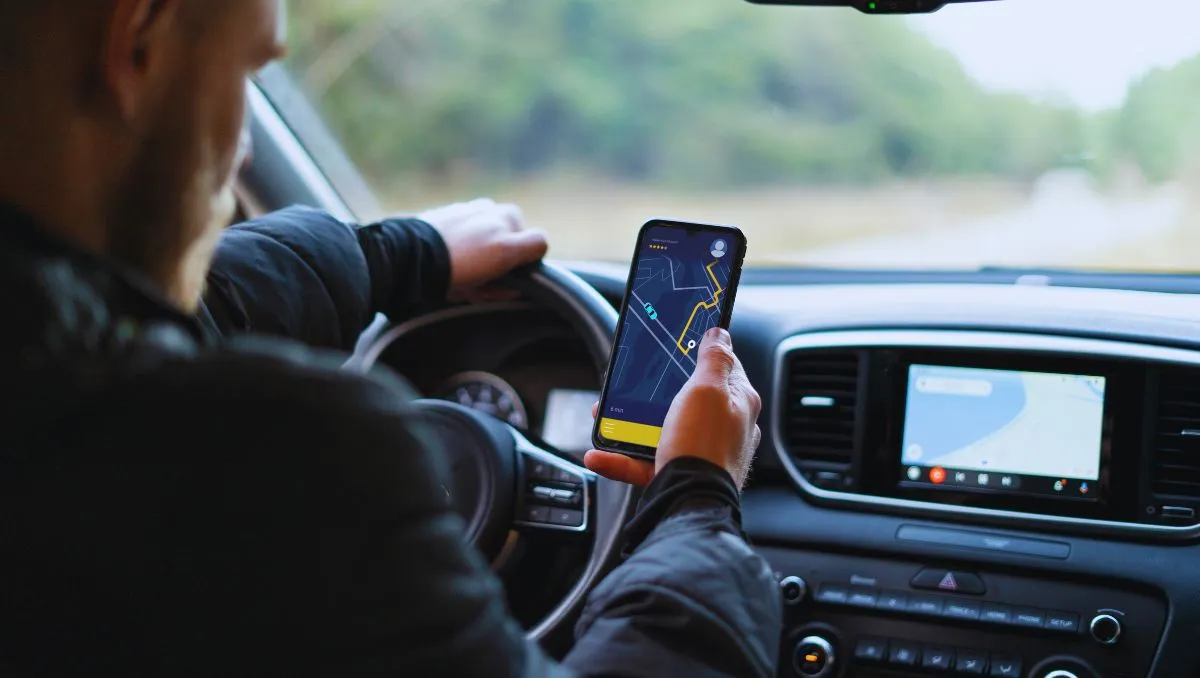
Introduction: How a Vehicle Tracking System Works
Understanding how vehicle tracking system works is important for businesses and vehicle owners who want better control, safety, and efficiency. With the growing use of GPS technology, vehicle tracking systems have become an essential tool in transportation, logistics, and fleet management.
A vehicle tracking system uses GPS satellites, mobile networks, and software platforms to monitor a vehicle’s real-time location, speed, and movement. This technology allows users to track vehicles remotely using a smartphone or computer from anywhere.
Knowing how vehicle tracking system works helps companies reduce fuel costs, prevent theft, improve driver behavior, and ensure timely deliveries. From small personal cars to large commercial fleets, vehicle tracking systems provide accurate data that supports smarter decision-making.
1. What Is a Vehicle Tracking System?
To clearly understand how vehicle tracking system works, it is important to first know what a vehicle tracking system actually is. A vehicle tracking system is a technology-based solution that allows users to monitor and manage a vehicle’s location, movement, and performance in real time.
A vehicle tracking system works by using Global Positioning System (GPS) technology, mobile communication networks, and cloud-based software. A GPS tracking device is installed inside the vehicle, which continuously collects location data such as latitude, longitude, speed, direction, and time. This data is then transmitted to a secure server using a SIM card and mobile network.

The system processes this information and displays it on a user-friendly web or mobile application, helping users understand exactly where the vehicle is and how it is being used. This is the foundation of how vehicle tracking system works in real-world applications.
Vehicle tracking systems are widely used by:
- Fleet and logistics companies
- Taxi and cab operators
- School bus operators
- Construction and mining fleets
- Individual vehicle owners
In addition to location tracking, modern vehicle tracking systems also provide valuable insights such as route history, speed monitoring, ignition status, idle time, and alerts. These features help businesses improve productivity, reduce operational costs, and enhance vehicle security.
In simple terms, a vehicle tracking system is a smart tool that connects vehicles to digital platforms, enabling real-time visibility and control. Understanding this concept makes it easier to grasp how vehicle tracking system works and why it has become an essential solution for modern transportation management.
2. Key Components of a Vehicle Tracking System
To fully understand how vehicle tracking system works, it is essential to know the key components that make the system function smoothly. A vehicle tracking system is not a single device—it is a combination of hardware, software, communication networks, and satellite technology working together to provide real-time vehicle data.
Each component plays a critical role in collecting, transmitting, processing, and displaying vehicle information.
1. GPS Tracking Device (Hardware Unit)
The GPS tracking device is the core component of the vehicle tracking system. It is installed inside the vehicle and continuously collects data.
What it does:
- Receives signals from GPS satellites
- Determines exact vehicle location (latitude & longitude)
- Captures speed, direction, distance, and time
- Monitors ignition status and movement
This device is the starting point of how vehicle tracking system works, as all tracking data originates here.
2. GPS Satellites
GPS satellites orbit the Earth and provide precise location data to the tracking device.
Role of GPS satellites:
- Send location signals to the GPS device
- Enable accurate positioning anywhere on Earth
- Work 24/7 in all weather conditions
Without satellite communication, how vehicle tracking system works would not be possible, as the system depends on satellite signals for location accuracy.
3. SIM Card and Mobile Network (GSM/GPRS/4G/LTE)
A SIM card is installed inside the GPS tracking device to transmit data.
Why this component is important:
- Sends vehicle data to the server using mobile networks
- Enables real-time tracking and alerts
- Supports 2G, 4G, or LTE connectivity depending on device
This communication layer explains how vehicle tracking system works in real time rather than just offline tracking.
4. Tracking Server (Cloud or Data Center)
The tracking server acts as the brain of the system.
Functions of the tracking server:
- Receives raw data from GPS devices
- Processes location, speed, and vehicle status
- Stores historical data securely
- Generates reports and alerts
The server transforms technical data into meaningful information, which is a crucial step in how vehicle tracking system works.
5. Software Platform (Web & Mobile Application)
The software platform is what users interact with daily.
Key features of tracking software:
- Live vehicle location on map
- Route playback and travel history
- Speed and stoppage reports
- Geo-fencing alerts
- Ignition on/off status
This interface is the final stage of how vehicle tracking system works, where users gain complete visibility and control.
6. Power Source and Backup Battery
Vehicle tracking devices are powered by the vehicle’s electrical system and often include a backup battery.
Purpose:
- Ensures continuous tracking even when ignition is off
- Prevents data loss during power disconnection
- Helps in theft detection
This component ensures reliability and uninterrupted tracking.
7. Sensors and Add-On Modules (Optional)
Advanced vehicle tracking systems can be integrated with additional sensors.
Common add-ons include:
- Fuel sensors for fuel monitoring
- Temperature sensors for cold chain vehicles
- Door sensors for cargo security
- Engine and OBD sensors
These sensors enhance how vehicle tracking system works by providing deeper operational insights beyond location.
8. Alerts and Notification System
Alerts are a vital component for proactive vehicle management.
Types of alerts include:
- Over-speeding alerts
- Geo-fence entry/exit alerts
- Ignition alerts
- Power disconnection alerts
This feature ensures quick action and improved vehicle safety.
Why These Components Matter
Each component works together seamlessly to explain how vehicle tracking system works from start to finish. If even one component fails, tracking accuracy and reliability can be affected.
3. How Vehicle Tracking System Works Step by Step
To fully understand how vehicle tracking system works, it is helpful to break the process down into simple, logical steps. A vehicle tracking system operates by combining GPS technology, mobile communication, and cloud-based software to provide real-time vehicle visibility.
Below is a complete step-by-step explanation.
Step 1: GPS Device Is Installed in the Vehicle
The process of how vehicle tracking system works begins with installing a GPS tracking device inside the vehicle. This device is securely connected to the vehicle’s power system and placed in a concealed location.
At this stage, the device:
- Remains active when the vehicle is on or off
- Collects basic vehicle data
- Prepares to receive satellite signals
Step 2: GPS Device Connects to Satellites
Once the vehicle is running, the GPS device connects to multiple GPS satellites orbiting the Earth.
What happens here:
- Satellites send location signals to the GPS device
- The device calculates the exact position of the vehicle
- Data such as latitude, longitude, speed, and direction is generated
This satellite communication is a crucial part of how vehicle tracking system works accurately.
Step 3: Vehicle Data Is Collected and Processed
The GPS tracking device continuously collects real-time information, including:
- Vehicle location
- Speed and movement
- Ignition on/off status
- Travel distance and stoppage time
This data forms the foundation of how vehicle tracking system works in day-to-day operations.
Step 4: Data Is Transmitted via Mobile Network
After collecting vehicle data, the tracking device sends this information to a central server using a SIM card and mobile network (GSM/GPRS/4G/LTE).
Why this step matters:
- Enables real-time tracking
- Allows remote monitoring
- Ensures uninterrupted data flow
This communication step explains how vehicle tracking system works in real time rather than delayed tracking.
Step 5: Server Receives and Analyzes the Data
The tracking server receives raw vehicle data and processes it into meaningful insights.
Server functions include:
- Converting location data into map visuals
- Storing historical travel records
- Generating alerts and reports
- Identifying driving behavior patterns
This step acts as the brain of how vehicle tracking system works.
Step 6: Information Is Displayed on Dashboard or App
Once processed, the data is displayed on a user-friendly web dashboard or mobile application.
Users can view:
- Live vehicle location
- Route history and playback
- Speed and idle time
- Alerts and notifications
This is the most visible part of how vehicle tracking system works for vehicle owners and fleet managers.
Step 7: Alerts and Notifications Are Triggered
The system automatically triggers alerts based on predefined rules.
Common alerts include:
- Over-speeding alerts
- Geo-fence entry or exit alerts
- Ignition on/off alerts
- Power disconnection alerts
These alerts help improve safety and operational control.
Step 8: Data Storage and Reporting
All vehicle data is securely stored on the server for future use.
Reports help users:
- Analyze driver performance
- Optimize routes
- Reduce fuel consumption
- Improve fleet efficiency
This final step completes how vehicle tracking system works from data collection to decision-making.
5. Benefits of Vehicle Tracking System
Understanding how vehicle tracking system works is important, but knowing its benefits is equally crucial for businesses, fleet operators, and individual vehicle owners. A vehicle tracking system does more than just show the location of a vehicle—it improves efficiency, safety, and cost management.
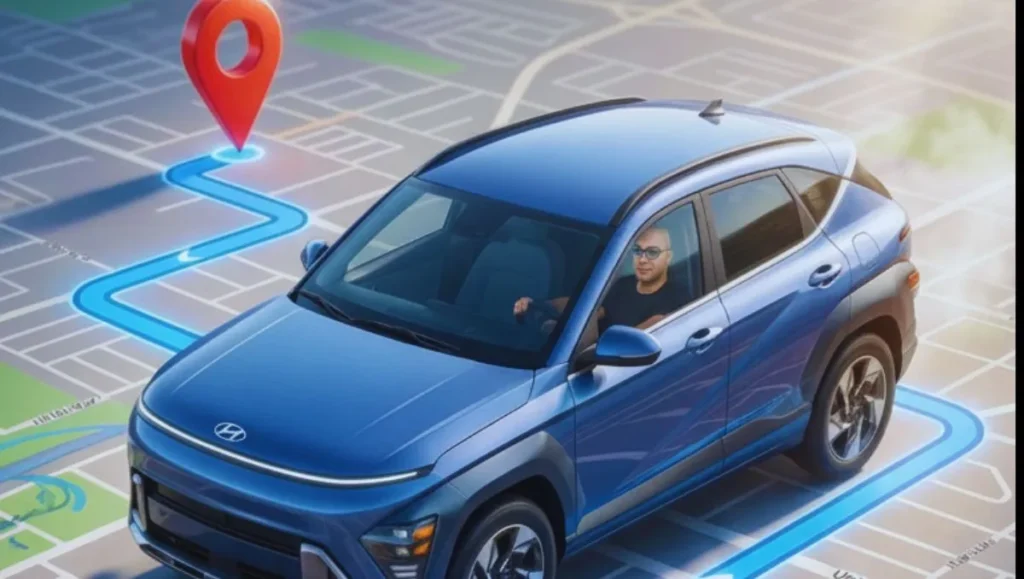
Here are the key benefits explained in detail:
1. Real-Time Vehicle Visibility
One of the main advantages of a vehicle tracking system is real-time visibility.
Benefits include:
- Always know the exact location of your vehicles
- Monitor vehicle movement on live maps
- Quickly respond to emergencies or delays
This is a practical demonstration of how vehicle tracking system works to give full control over vehicle operations.
2. Improved Fleet Efficiency
By tracking routes, stoppages, and idle times, fleet managers can improve overall efficiency.
How it helps:
- Identify the shortest and fastest routes
- Reduce unnecessary trips and fuel usage
- Optimize scheduling and delivery times
Efficiency gains show the practical impact of how vehicle tracking system works for businesses.
3. Enhanced Vehicle Security
Vehicle tracking systems enhance safety and prevent theft.
Key security benefits:
- Geo-fencing alerts for unauthorized movement
- Ignition on/off notifications
- Tamper and power disconnection alerts
This shows that how vehicle tracking system works is not just monitoring—it is also protecting valuable assets.
4. Cost Reduction
Using a vehicle tracking system can significantly reduce operational costs.
Ways it reduces costs:
- Prevents fuel theft and wastage
- Reduces vehicle wear and tear with monitored driving behavior
- Minimizes overtime and idle time
Cost efficiency demonstrates the economic advantage of knowing how vehicle tracking system works in practice.
5. Better Driver Management
Monitoring driver behavior improves accountability and safety.
Driver benefits include:
- Alerts for harsh braking or acceleration
- Encourages safe driving practices
- Helps manage driver performance and discipline
Driver behavior insights explain how vehicle tracking system works to improve human factors in fleet management.
6. Route Optimization
Vehicle tracking systems allow for smart route planning.
Benefits include:
- Avoid congested roads using real-time data
- Reduce delivery delays
- Improve customer satisfaction for logistics and transportation
Route optimization highlights another practical example of how vehicle tracking system works to streamline operations.
7. Accurate Reporting and Analytics
Detailed reports give actionable insights into fleet performance.
Reports include:
- Vehicle utilization and travel history
- Speed and stoppage summaries
- Fuel consumption and maintenance schedules
This makes how vehicle tracking system works useful not only for tracking but also for strategic decision-making.
8. Compliance and Legal Advantages
For commercial vehicles, especially in India, compliance with regulations such as AIS-140 is mandatory.
Benefits of compliance:
- Ensures vehicles meet government safety standards
- Helps with insurance and liability management
- Provides legal proof of travel and usage
This demonstrates a regulatory aspect of how vehicle tracking system works.
6. Types of Vehicle Tracking Systems
To fully understand how vehicle tracking system works, it is important to know the different types of tracking systems available. Depending on the purpose, vehicle type, and operational requirements, businesses and individuals can choose a system that best fits their needs.
Here are the main types:
1. GPS-Based Vehicle Tracking Systems
GPS tracking systems are the most common type and are widely used in both personal and commercial vehicles.
How it works:
- Uses GPS satellites to determine the vehicle’s location
- Data is sent via GSM/GPRS/4G networks to a tracking server
- Users can view real-time location, route history, and alerts
Benefits:
- Accurate real-time tracking
- Easy to install and use
- Works across cities and countries
This type clearly explains how vehicle tracking system works by leveraging satellite technology.
2. GSM/GPRS-Based Tracking Systems
GSM/GPRS vehicle tracking systems rely on mobile networks to transmit data.
How it works:
- GPS device collects location and movement data
- Uses SIM card and mobile network (GSM/GPRS/4G) to send information to servers
- Accessible through web or mobile applications
Benefits:
- Real-time updates without manual intervention
- Works well in areas with good mobile network coverage
- Supports alerts like over-speeding, geo-fencing, and ignition notifications
This type shows how vehicle tracking system works using cellular networks for communication.
3. OBD-Based Vehicle Tracking Systems
OBD (On-Board Diagnostics) tracking systems connect directly to a vehicle’s OBD-II port.
How it works:
- Plugs into the OBD port to access vehicle data such as speed, engine status, and fuel levels
- Sends data to a cloud-based platform via mobile networks
Benefits:
- Easy plug-and-play installation
- Monitors engine health and vehicle diagnostics
- Ideal for small fleets and personal vehicles
This demonstrates how vehicle tracking system works by integrating directly with vehicle electronics.
4. Satellite-Based Tracking Systems
Satellite tracking systems are used for vehicles operating in remote areas where mobile network coverage is poor.
How it works:
- Communicates directly with satellites instead of relying on cellular networks
- Sends real-time location and alerts via satellite communication
Benefits:
- Works in remote highways, mountains, and rural areas
- Highly reliable for critical fleet operations
- Ideal for logistics, mining, and defense vehicles
This type highlights how vehicle tracking system works without dependency on GSM networks.
5. AIS-140 Compliant Tracking Systems (India)
In India, AIS-140 tracking systems are mandatory for commercial vehicles under government regulations.
How it works:
- GPS-based system with mandatory panic buttons, emergency alerts, and real-time tracking
- Transmits data to the National Transport Monitoring Centre (NTMC)
- Designed for buses, taxis, and public transport
Benefits:
- Ensures legal compliance
- Enhances passenger safety
- Supports government monitoring and emergency response
This system shows a regulated example of how vehicle tracking system works in compliance with government standards.
6. Hybrid Tracking Systems
Hybrid systems combine GPS, GSM, and additional sensors for advanced tracking.
How it works:
- Integrates multiple technologies to monitor location, speed, fuel, driver behavior, and vehicle health
- Sends comprehensive reports to dashboards and mobile apps
Benefits:
- Complete fleet management solution
- Offers real-time alerts and analytics
- Reduces operational costs and improves efficiency
Hybrid systems represent the most advanced stage of how vehicle tracking system works, combining multiple tracking methods in one solution.
7. Who Should Use Vehicle Tracking Systems?
Understanding how vehicle tracking system works is crucial, but it is equally important to know who can benefit the most from this technology. Vehicle tracking systems are not only for large fleets—they are valuable for a wide range of users, from businesses to individual vehicle owners.
Below is a detailed look at who should use vehicle tracking systems and why.
1. Fleet and Logistics Companies
Fleet and logistics companies rely on multiple vehicles to transport goods efficiently.
Why they should use vehicle tracking:
- Monitor all vehicles in real time
- Optimize delivery routes and reduce fuel costs
- Ensure timely deliveries and improve customer satisfaction
- Prevent unauthorized vehicle usage or route deviations
This is a practical example of how vehicle tracking system works to improve operational efficiency.
2. Taxi and Cab Operators
Taxis, ride-sharing, and cab services can greatly benefit from vehicle tracking systems.
Key benefits:
- Track live location of each cab
- Manage driver schedules and routes
- Improve passenger safety with panic buttons and geo-fencing alerts
- Prevent misuse of vehicles
This use case shows how vehicle tracking system works in the passenger transport sector.
3. School Bus Operators
Safety is the highest priority for school buses. Vehicle tracking systems help ensure students’ security.
Benefits include:
- Monitor school bus routes and arrival times
- Receive alerts for route deviations or stops
- Communicate with parents in real time
- Ensure drivers follow safe driving practices
This demonstrates how vehicle tracking system works for safety-critical transport.
4. Construction and Mining Fleets
Vehicles in construction, mining, or industrial sites operate in harsh conditions and remote locations.
Why tracking is important:
- Monitor vehicle location even in areas with poor network coverage
- Track fuel usage and vehicle health
- Ensure equipment and vehicle security
Here, satellite or hybrid systems show how vehicle tracking system works beyond urban areas.
5. Delivery and Courier Services
Companies handling deliveries need efficient tracking to meet customer expectations.
Advantages of vehicle tracking:
- Real-time package and vehicle monitoring
- Reduce delivery delays and optimize routes
- Improve driver accountability and service quality
This highlights how vehicle tracking system works to boost efficiency in logistics.
6. Individual Vehicle Owners
Even personal car or bike owners can benefit from vehicle tracking systems.
Use cases include:
- Real-time monitoring of your personal vehicle
- Theft prevention and recovery
- Notifications for over-speeding or unauthorized usage
- Monitoring teen or elderly drivers
This shows how vehicle tracking system works at an individual level, not just for fleets.
7. Government and Public Transport
Government vehicles, public buses, and emergency services can leverage vehicle tracking for better management.
Benefits include:
- Ensure timely deployment of emergency vehicles
- Monitor public transport compliance and efficiency
- Enable geo-fencing for high-security areas
This is an official example of how vehicle tracking system works in regulated environments.
8. Is Vehicle Tracking Legal in India?
When discussing how vehicle tracking system works, many people ask about its legality. The good news is that vehicle tracking is completely legal in India, provided it is used according to government regulations and privacy guidelines.
Understanding the legal framework is important for businesses, fleet operators, and individual vehicle owners who want to implement a tracking system.
Vehicle Tracking and AIS-140 Compliance
In India, the government mandates the use of GPS tracking for commercial vehicles under the AIS-140 standard.
Key points about AIS-140 compliance:
- Applicable for taxis, buses, and commercial vehicles
- Requires GPS tracking devices to send real-time data to the National Transport Monitoring Centre (NTMC)
- Includes emergency buttons, geo-fencing, and vehicle monitoring for public safety
This regulatory standard ensures that how vehicle tracking system works aligns with safety and legal requirements.
Legal Aspects for Personal Vehicle Owners
For private vehicle owners, installing a GPS tracker is fully legal.
Considerations include:
- Vehicle tracking should be for personal or business use
- Consent is required if tracking vehicles driven by other people (e.g., employees or drivers)
- Data privacy laws must be respected to protect sensitive information
This ensures that understanding how vehicle tracking system works also respects legal boundaries.
Benefits of Legal Compliance
Using a vehicle tracking system legally has multiple advantages:
- Fleet Safety and Accountability
- Prevents misuse of commercial vehicles
- Monitors driver behavior
- Theft Prevention and Recovery
- Helps law enforcement recover stolen vehicles
- Provides proof of vehicle movement
- Government Support
- Complies with transport authority regulations
- Enables eligibility for insurance benefits
By following legal guidelines, businesses and individuals can fully leverage how vehicle tracking system works without any risk.
Misconceptions About Vehicle Tracking
Some people worry that tracking a vehicle may violate privacy laws.
Clarification:
- Vehicle tracking is legal when the owner installs it in their vehicle
- Employee tracking in company vehicles is allowed if disclosed in employment policies
- Law enforcement may only track vehicles through authorized channels
This highlights that how vehicle tracking system works is both legal and safe when used responsibly.
Final Thoughts: How Vehicle Tracking System Works
Understanding how vehicle tracking system works is crucial for anyone who owns a vehicle, manages a fleet, or operates in the logistics and transportation industry. A vehicle tracking system is not just about knowing the location of a vehicle—it is a complete solution for safety, efficiency, and operational control.
Summary of How Vehicle Tracking System Works
A vehicle tracking system works by combining GPS technology, mobile communication networks, cloud servers, and user-friendly applications.
Step-by-step process:
- GPS Device in Vehicle – Collects location, speed, and movement data
- Satellite Connection – GPS satellites transmit location signals to the device
- Data Transmission – SIM card and mobile networks send information to a server
- Server Processing – Raw data is converted into readable insights and stored
- Dashboard or App Display – Users access live location, route history, and alerts
- Alerts and Analytics – Speed alerts, geo-fencing, idle time reports, and fuel monitoring
This step-by-step system shows exactly how vehicle tracking system works from start to finish.
Why Vehicle Tracking Systems Are Essential
Modern vehicle tracking systems offer a wide range of benefits:
- Real-Time Visibility – Always know where your vehicle is
- Improved Fleet Efficiency – Optimize routes and reduce idle time
- Enhanced Security – Prevent theft and unauthorized usage
- Cost Savings – Reduce fuel wastage and operational costs
- Driver Behavior Monitoring – Promote safe and responsible driving
- Compliance – Meet government standards like AIS-140 in India
These features make it clear why understanding how vehicle tracking system works is essential for businesses and individuals alike.
Who Can Benefit
Vehicle tracking systems are suitable for:
- Fleet and logistics companies
- Taxi and ride-sharing operators
- School buses and student transport services
- Construction and mining fleets
- Delivery and courier services
- Personal vehicle owners
By knowing how vehicle tracking system works, these users can make informed decisions about the type of system and features they need.
Final Takeaway
A vehicle tracking system is more than a tool for monitoring vehicles—it is a strategic solution that improves safety, accountability, and efficiency. Whether for business or personal use, understanding how vehicle tracking system works allows users to leverage technology to manage vehicles effectively, reduce costs, and ensure peace of mind.
Investing in a vehicle tracking system today ensures safer, smarter, and more efficient vehicle management for tomorrow.