
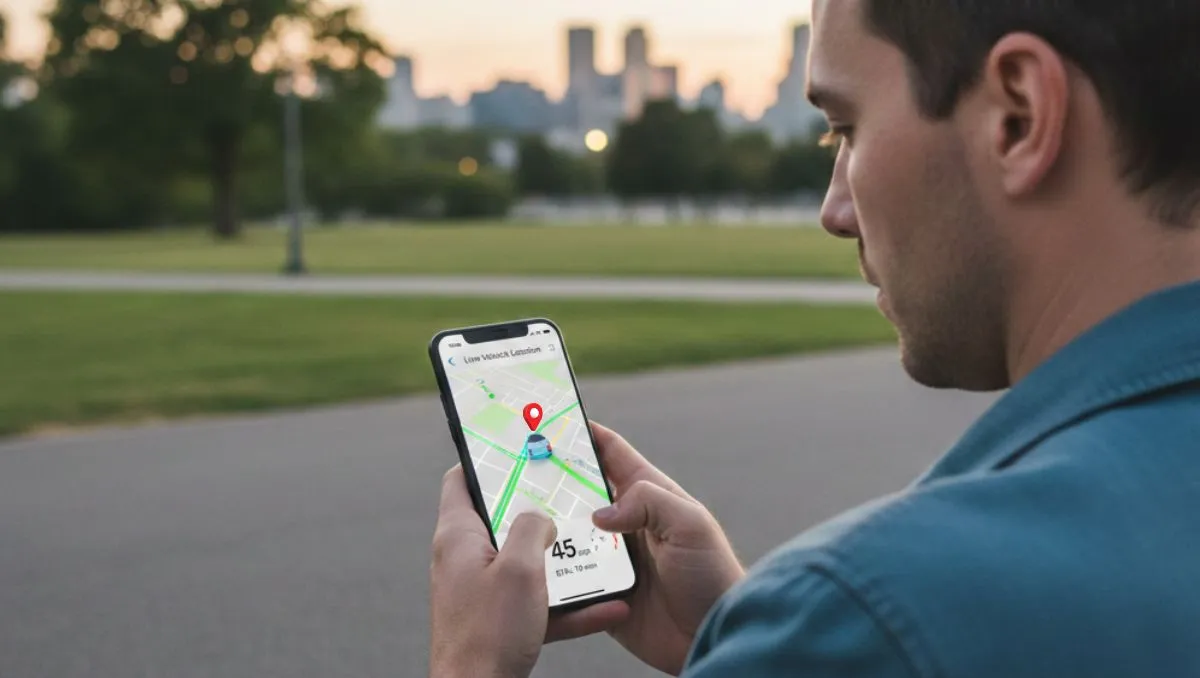
What is a Vehicle Tracking Systems?
Vehicle Tracking Systems (VTS) is a technology that is smart, involving the use of GPS, GSM/4G networks, sensors, and software platforms to track and control vehicles in real-time. It assists individuals and businesses in understanding the location of their vehicles, their usage, and their safety and efficiency of operation.
How does a Vehicle Tracking Systems Work
There are three primary elements of a typical Vehicle Tracking Systems (VTS):
1. GPS Tracking Device
- Fitted into the car. Constantly gathers information, including:
- Location
- Speed
- Direction
- Engine status
- Ignition ON/OFF
- Stops & routes
- Works 24/7, even in remote areas
2. Communication Network (GSM/4G)
- Transmits vehicle information to a safe server.
- Uses a SIM card on a 4G network
- Provides speedy and precise reporting.
3. Tracking Software (Mobile App + Web Dashboard)
- Displays all vehicle information
- Provides maps, real-time tracking, alerts, reports, and analytics
- Accessible anytime, anywhere
Core Functions of a Vehicle Tracking Systems
✔ Real‑Time Location Tracking
The second-by-second updates will help to see the precise position of the vehicle at any time.
✔ Route History / Trip Playback
View each path that has been traversed in the history, thalfo, and mitchul.
✔ Alerts & Notifications
Real-time notifications on overspeeding, idling, geo-fence entry/exit, ignition ON/OFF, fuel theft, and rough driving.
✔ Safety & Security
Anti-theft alarms, tow alarms, and remote engine immobilizers help in preventing theft and misuse.
✔ Fleet Management Insights
To the business, Vehicle Tracking Systems (VTS) is a great tool for productivity; it checks on the behavior of the drivers, saves on fuel, guarantees timely deliveries, and optimizes routes and the performance of the trip.
Types of Vehicle Tracking Systems
1. Basic GPS Tracking
- Real‑time location
- Route reports
- Speed alerts
2. Advanced Fleet Tracking
- Driver behavior monitoring
- Fuel monitoring
- Maintenance reminders
- AI‑based analytics
3. Industry-Specific Tracking
- School bus tracking
- Logistics fleets
- Taxis & rental cars
- Mining equipment and construction equipment.
Benefits of Vehicle Tracking Systems
✔ Safety
Guarantees the car and its owner against theft, misuse, and accidents.
✔ Efficiency
Saves on fuel, eliminates delays, and optimizes routing.
✔ Accountability
Make sure that vehicles are used in a responsible way.
✔ Cost Savings
The businesses save a lot of money in terms of fuel consumption, downtime, and maintenance problems.
✔ Transparency
Gives full visibility to the operations and customer service.
Why is a Vehicle Tracking Systems Important Today?
- Rising fuel prices
- Increased vehicle theft
- High operational cost
- The need to have faster deliveries.
- Safety requirements in school buses and passenger transport.
- Compliance by the government in certain industries.
An efficient Vehicle Tracking Systems (VTS) is no longer an option; it is a necessity to ensure safety, productivity, and intelligent operations.
Why Choose Vehicle Tracking Systems?
Choosing the right Vehicle Tracking Systems is crucial for safety, efficiency, and long-term savings. ANS IT India stands out as one of the most trusted and experienced providers in India. With 14+ years of expertise, 4G hardware, and AI-based fleet software, ANS IT India offers a powerful, reliable, and affordable solution for individuals and businesses.
1. 14+ Years of Industry Experience
ANS IT India is over 14 years old in terms of innovation in automotive technology, which provides it with trust and credibility. They have their systems tested, stable, and continually upgraded to cater to the present fleet requirements.
What this means for customers:
- Better accuracy
- More reliable hardware
- Smooth operation of software.
- Quick issue resolution
2. PAN-India Presence in 65+ Cities
ANS IT India has service and support applications in various states and cities within India, such as urban and rural areas.
Benefits:
- Easy installation
- Rapid availability of technicians.
- Rapid maintenance and support.
- Efficient translocation of fleets.
3. Real-Time 24/7 Live Tracking
PROTECTed Vehicle Tracking Systems offers real-time live updates with 4G networks that run at high speed (every second). You can:
- Track the exact position
- Monitor movement and speed
- View real‑time route
- Traffic is backed up during an emergency.
This provides total peace of mind to the parents, vehicle owners, logistics managers, and fleet operators.
4. Advanced Fuel Monitoring & Theft Prevention (Saves Up to 30% Cost)
One of the greatest transport and logistics challenges is fuel theft. ANS IT India offers a very precise fuel sensor that identifies:
- Fuel level
- Fuel filling
- Fuel drainage
- Sudden drops (fuel theft)
- Fuel consumption patterns
Why this matters:
- Prevents theft
- Reduces fuel wastage
- Helps plan efficient routes
- Saves up to 30% in costs
5. Driver Behaviour Monitoring
A responsible and careful driver has a direct impact on the fuel, safety, and life of the vehicle. OPTIMISed monitors:
- Overspeeding
- Rash acceleration
- Harsh braking
- Sudden cornering
- Idling time
This aspect enhances safety, lowers accidents, and promotes responsible driving.
6. Engine Immobilizer (Remote Engine OFF)
One of the strongest security features that can be used to turn the vehicle OFF at a distance, just in case:
- Theft occurs
- The vehicle is misused
- The driver is not responding
- Vehicle goes off‑route
This makes any movement fully controlled and also prevents any illegal movement.
7. Strong 4G Hardware & Long-lasting Performance
PROTECTed Vehicle Tracking Systems devices are constructed to withstand harsh Indian conditions:
- Heat‑resistant
- Water‑resistant
- Tamper‑proof
- Fast GPS locking
- Long battery backup
Hardware is stable, which guarantees continuity of data and longevity.
8. Easy-to-use mobile app/web dashboard.
ONE by ANS has a user-friendly interface:
- Clean UI
- Real‑time map view
- Alerts & notifications
- Detailed reports
- Trip history
- Analytics & insights
- Fleet view (multi-vehicle).
The dashboard is easy to use for both an amateur and a professional fleet manager.
9. Custom Industry Solutions
ANS IT India provides industry-specific tracking solutions:
- School buses
- Trucks & logistics
- Oil tankers
- Staff transportation
- Car rentals
- Construction vehicles
- Ambulances
- Agriculture machinery
Solutions are optimized for safety, regulation, and operation requirements.
10. Accurate Reporting & Analytics
Automatically create the reports like:
- Daily trip summary
- Fuel report
- Driver score report
- Idling report
- Speed report
- Stoppage report
- Fleet utilization and attendance.
Decision-making and increased productivity are enabled by these reports.
11. Excellent Customer Support
ANS IT India focuses heavily on customer satisfaction with:
- 24/7 support team
- Quick ticket resolution
- PAN-India technicians
- Friendly assistance for app usage and issues
You always get human support, not automated chat-only systems.
12. Cost-Effective & Value for Money
Despite premium features, PROTECTed Vehicle Tracking Systems are competitively priced.
You get:
- High-quality 4G devices
- Lifetime software access
- Regular updates
- Advanced features
- Affordable AMC options
This makes PROTECTed Vehicle Tracking Systems one of the best value-for-money choices in India.
Characteristics of Vehicle Tracking Systems.
A Vehicle Tracking Systems in the present day is an aspect beyond simply pointing a GPS.
It provides an entire toolkit that makes the management of vehicles safer, more effective, and less expensive.
Each of the key features is described below, and the reason why it is important to owners and fleet managers.
1. Live Location Tracking 24/7 (Real-Time).
This is what defines any vehicle tracking systems.
What it does:
- Displays the vehicle’s live position on a map.
- Pokes the position several times per second.
- Direction, speed, and motion of tracks.
- Works day and night, even on long journeys.
Why it matters:
- Provides real-time visibility in times of emergencies.
- Enhances improved coordination and route tracking.
- Gives peace of mind to the owners and parents.
2. Total Trip History and Route Playback.
The system documents all the journeys that the vehicle undertakes.
Includes:
- Start and end points
- Total distance travelled
- Time taken
- Route followed
- Stops and duration of the halt of the vehicle.
- Change in speed throughout the journey.
Benefits:
- Check that the trips and routes were adhered to.
- Enhance route planning in the future.
- Overcome conflicts using facts.
- Compare performance in the past.
3. Virtual Boundaries (Geo-Fencing).
Geo-fencing allows you to establish virtual borders on a map.
How it works:
- establish areas like city boundaries, school grounds, construction areas, or depots.
- Immediate notifications on entering and leaving a zone.
Use cases:
- Prevent route deviation
- Monitor restricted areas
- Enhance school bus and logistics fleet safety.
4. Alerts and Notifications System.
Quick notifications make you take action immediately.
Common alerts include:
- Overspeeding
- Ignition ON/OFF
- Rough braking or accelerating.
- Excessive idling
- Geo‑fence entry or exit
- Unauthorized movement
- The theft of fuel (in case there is a fuel sensor in place)
Why alerts are important:
- Prevent accidents
- Stop misuse
- Flexible control of operations.
5. Monitoring of the Behaviour of Drivers.
This is a feature that assesses the way a car is being driven.
Tracks:
- Overspeeding
- Rash driving
- Sudden acceleration
- Hard braking
- Sharp cornering
- Prolonged working hours on the road.
Benefits:
- Improves road safety
- Slows down the wear and tear in the vehicle.
- Lowers accident risk
- Promotes good driving.
6. Competition to Fuel Monitoring / Theft Detection.
Perfect for use in trucks, buses, and heavy cars.
What it monitors:
- Live fuel level
- Fuel fill‑up events
- Fuel consumption
- Decreased fuel (theft) suddenly.
- Mileage analysis
Business impact:
- Save up to 30 % on fuel costs
- Prevent theft and misuse
- Improve fuel efficiency
7. Engine Immobilizer (Remote Control).
The ability to turn the engine off remotely.
Used when:
- The vehicle is stolen
- The vehicle is misused
- The driver does not follow orders.
- The vehicle goes off route
Advantage:
- On-site control without being on site.
- Offers state-of-the-art security.
8. Idling & Stoppage Analysis
Tracks when the engine is on, but the vehicle is not in motion.
Provides:
- Idle time reports
- Stoppage duration
- Location of stoppages
Why it’s important:
- Reduces fuel waste
- Improves productivity
- Helps manage driver habits
9. Detailed Reports & Analytics
Smart automated reports provide insight into smarter decisions.
Reports include:
- Daily trip summary
- Distance report
- Speed analysis
- Idle & halt report
- Fuel report
- Driver performance score
Benefits:
- Better planning
- Lower operating costs
- Improved accountability
10. Web Dashboard and Mobile Apps Access.
All of the system can be found in:
- Android and iOS mobile apps
- Web‑based dashboard
Features:
- Live tracking view
- Alert notifications
- Multi‑vehicle monitoring
- Easy report download
- User‑friendly interface
11. Alerts on Tampering and Health of the device.
Store the tracking device in a safe place.
Includes:
- Power disconnection alert
- Device removal alert
- Battery backup status
- Network health monitoring
Why it matters:
- Eliminates the effect of tracking interference.
- Increases reliability
12. Multi-vehicle Management & Scalability.
Ideal for individual owners and large fleets.
Supports:
- One vehicle
- A small fleet
- Large fleet (1000 + vehicles)
Benefit:
- Expand the fleet without a system change.
Violence and Safety of Vehicle Tracking Systems
The most important elements of any vehicle tracking systems are the aspects of safety and security.
You may have a personal car or a school bus, a logistics truck, or a corporate fleet, but a powerful tracking system will secure your vehicles, ensure the safety of your drivers, and grant you a hundred percent peace of mind.
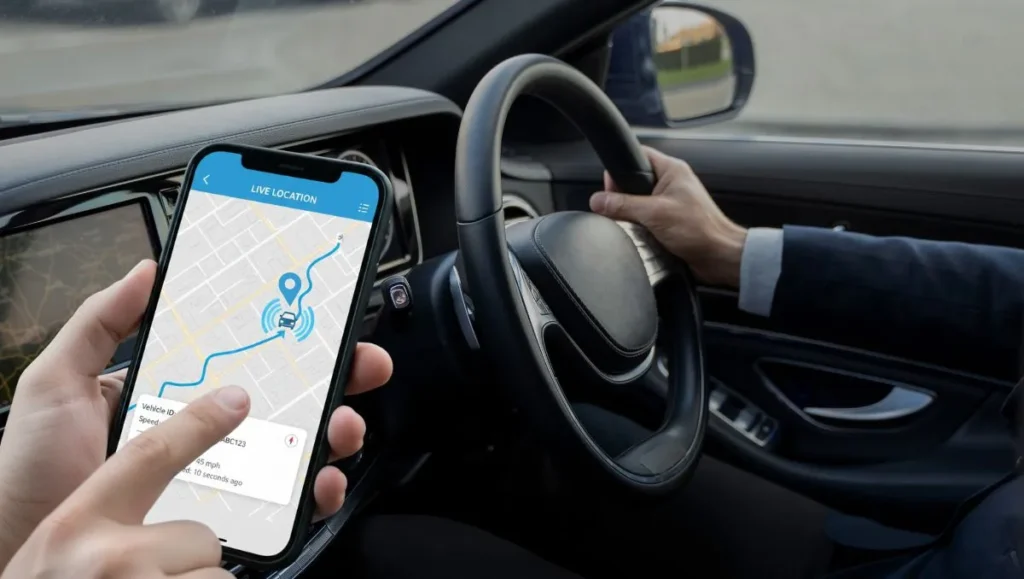
1. Emergency Response Location Tracking in Real-Time.
Real-time tracking assists in locating a vehicle in an emergency situation.
How it improves safety:
- Gives the exact location of the vehicle at any time.
- Allows a rapid reaction to an accident or a breakdown.
- will give quick assistance should a medical emergency occur.
- Monitors parents and fleet managers in terms of movement.
2. Anti‑Theft Protection
Car theft is also a major menace, particularly in the urban and highway environments.
Anti‑theft features include:
-illegal movement notification.
- Ignition ON alert at off-peak hours.
- Vibration or towing alert
- Route deviation alert
Result:
Early notifications allow you to move quickly and give more opportunities to salvage.
3. Engine Immobilizer (Remote Engine OFF)
This is one of the best security tools.
What it does:
- Allows you to use the engine remotely to turn it off.
- Halts the car when it is not moving.
- It is taken out in the theft process, or when the vehicle is used illegally.
Why it matters:
- Prevents stolen cars from being driven away.
- Reduces damage and loss
- Provides on-site control without being physical.
4. Geo-fencing of the restricted areas.
Geo-fencing produces virtual fences on the map.
Safety applications:
- Keeps school bus routes safe
- Barricades cars out of dangerous or restricted zones.
- Make sure that vehicles remain on authorized routes.
Alerts are generated when:
- A vehicle penetrates a restricted area.
- A car leaves a restricted zone.
5. Overspeeding Alerts
One of the causes of road accidents is overspeeding.
System capabilities:
- Limit speed depending on the vehicle type.
- Get automatic fast speed notifications.
- Track repeat violations
Benefits:
- Promotes responsible driving.
- Reduces accident risk
- Secures cargo and passengers.
6. Monitoring Accident Prevention Behaviour of Drivers.
The vehicle tracking systems is able to continuously monitor the way a vehicle is driven.
Tracks:
- Harsh braking
- Sudden acceleration
- Rash driving patterns
- Sharp turns
Safety impact:
- Identifies risky habits
- Allows training and enhancement of drivers.
- Reduces the chances of accidents.
7. Idling & Stoppage Monitoring
Prolonged waiting in dangerous places may be dangerous.
Monitors:
- Turning on the engine when the car is standing
- OFF engine when the car is idle.
- Stops and times, and the place of stops.
Safety advantage:
- Identifies suspicious stoppages.
- – Deterrents to abuse and illegal stops.
- Improves route compliance
8. SOS & Panic Alert (Optional)
A critical safety feature for drivers and passengers.
How it works:
- The driver presses the SOS button during an emergency
- Instant alert sent to fleet manager/owner
- Live location shared automatically
Ideal for:
- School buses
- Ambulances
- Women’s safety vehicles
- Night travel operations
9. Tamper Alerts & Power Cut Detection
Protects the tracking device from manipulation.
Alerts triggered when:
- Device power is disconnected
- The battery is removed
- GPS antenna is tampered with
Why it’s important:
- Prevents tracking sabotage
- Maintains uninterrupted monitoring
10. Trip Playback & Evidence Reports
All vehicle activity is recorded and stored.
Useful for:
- Accident investigation
- Insurance claims
- Dispute resolution
- Compliance reporting
Provides:
- Route history
- Speed data
- Stop locations
- Time-stamped evidence
11. Fuel Theft & Leakage Safety
Fuel theft is both a financial and a security risk.
Fuel safety features:
- Sudden fuel drop alerts
- Fuel refill confirmation
- Abnormal fuel usage detection
Impact:
- Prevents theft
- Detects leakage early
- Protects vehicle health
12. 24/7 Monitoring & Alert Notifications
Safety doesn’t sleep.
System ensures:
- Round-the-clock tracking
- Instant notifications via app/SMS/email
- Continuous vehicle visibility
Driver Behaviour Monitoring
The ability of a modern vehicle tracking systems to monitor the behaviour of the driver is one of the strongest capabilities. It is concerned with the way that a vehicle is being driven rather than the destination of the vehicle. The system enhances road safety, decreases road accidents, manages fuel expenses, and increases vehicle longevity by examining a real-time driving model.
What is Driver Behaviour Monitoring?
Driver Behaviour Monitoring applies GPS data, vehicle sensors, and smart algorithms in order to track and analyse driver behaviour on a ride. It logs unsafe or ineffective habits and creates warnings and reports to take corrective measures. Simply put, it represents an indicator of whether a vehicle is driven safely, responsibly, and in an efficient manner.
Key Parameters Tracked in Driver Behaviour Monitoring
1. Overspeeding Detection
- Checks the speed of the vehicle in real-time.
- Compares speed with predefined limits
- Generates instant overspeed alerts
Why it matters:
Overspeeding increases accident risk, fuel consumption, and vehicle wear.
2. Harsh Braking Detection
- Recalls abrupt and sharp stops.
Impact:
- Indicates rash driving
- Enhances the risk of accidents.
- Increases the wear of brakes and tyres faster.
3. Sudden Acceleration Monitoring
- Records high acceleration trends.
Why it’s important:
- Wastes fuel
- Increases engine stress
- Exhibits aggressive behaviour on the road.
4. Sharp Cornering & Rash Turning
- Tracks sudden turns at high speed
Risk involved:
- Vehicle instability
- Increase in rollover risk with large vehicles.
- Passenger discomfort
5. Excessive Idling Monitoring
- Switch on the engine when the car is stopped.
Benefits:
- Reduces fuel wastage
- Prevents unnecessary engine wear
- Improves operational efficiency
6. Continuous Driving Without Breaks
- Driving long without making proper stops.
Safety concern:
- Driver fatigue
- Reduced alertness
- Higher chances of accidents
Driver Scoring & Performance Analysis
The system calculates a Driver Score based on:
- Speed discipline
- Smooth driving
- Idle time
- Route compliance
- Driving hours
Benefits of driver scoring:
- Identify the best and risky drivers
- Encourage healthy competition
- Reward safe driving habits
- Plan driver training programs
Real-Time Alerts for Immediate Action
Fleet owners and fleet managers are provided with immediate notifications on:
- Overspeeding
- Harsh braking
- Rash driving
- Long idle time
Why real-time alerts matter:
- Correct behavior immediately
- Prevent accidents before they happen
- Increase accountability
Impact on Safety
Driver Behaviour Monitoring helps:
- Reduce accidents
- Enhance passenger safety (school buses, transport of staff).
- Protect cargo and vehicles
- Lower insurance claims
Impact on Fuel & Maintenance Cost
Good driving habits directly reduce:
- Fuel consumption
- Engine stress
- Brake and tyre wear
- Maintenance and repair costs
This leads to significant long-term savings.
Use Cases Across Industries
Driver Behaviour Monitoring is essential for:
- Logistics & transport fleets
- School buses
- Corporate staff vehicles
- Taxi & cab services
- Oil & gas transportation
- Construction vehicles
Compliance & Accountability
- Make sure that drivers obey the policies of the firm.
- Helps conform to safety and compliance.
- Makes audits and reviews of recorded data.
Fuel Monitoring System Integration
One of the greatest operating costs of a vehicle or fleet is fuel. The lack of proper monitoring and the fuel theft, leakage, overconsumption, and improper reporting can cause serious financial losses. A vehicle tracking systems that integrates with a fuel monitoring system ensures total transparency and control, and saves on costs.
What is a Fuel Monitoring System?
Fuel Monitoring System is a product that is combined with a GPS device and high-precision fuel level sensors to monitor the quantity of fuel in the tank of the vehicle in real time. This information is relayed to a central server and indicated on a mobile application and web dashboard. In straightforward terms, it will inform you just how much fuel you have in your car, when you had it filled, and whether or not someone has stolen the fuel.
How Fuel Monitoring System Integration Works
1. Fuel Sensor Installation
- There are high-resolution digital or analog fuel sensors that are installed in the fuel tank.
- Sensors are calibrated for each vehicle type
- Trucks, buses, tankers, generators, and heavy machinery.
2. Integration with GPS Tracking Device
- The GPS device is directly connected to the fuel sensor.
- Fuel data is sent, and it includes location, speed, and time.
3. Real-Time Data Display
- Live fuel level visible on the app and dashboard
- Easy understanding in graphic form.
Key Features of Fuel Monitoring System
1. Live Fuel Level Monitoring
- View real-time fuel quantity
- Precise measurements even on motion.
- Schemes, refuelling and routes.
2. Fuel Theft Detection
- Identifies unexpected and unusual fuel losses.
- Immediate notifications to the owner or the fleet manager.
- Location and time of theft recorded
Benefit:
Prevents unauthorized fuel draining and losses.
3. Fuel Filling Detection & Verification
- Identifies fuel refill automatically.
- Represents the quantity filled.
- Conforms bill fuel with actual information.
Why it’s important:
Prevents fraud and false fuel claims.
4. Fuel Consumption Analysis
- Computes the consumption of fuel per trip.
- Mileage analysis (km/litre).
- Determines unproductive routes or vehicles.
5. Idling Fuel Consumption Tracking
- Tracks are burned in long idling.
- Calls out unwarranted engine ON time.
Result:
Improves driving discipline and saves fuel.
6. Leakage & Abnormal Usage Detection
- Identifies slow consumption of fuel through leakages.
- Notifications on the abnormal consumption patterns.
Impact:
Protects vehicle health and prevents breakdowns.
Reports & Analytics in Fuel Monitoring
Detailed Fuel Reports Include:
- Daily fuel usage report
- Fuel refill report
- Fuel theft report
- Mileage report
- Idle fuel consumption report
These reports help management take data-driven decisions.
Cost Savings & ROI
With fuel monitoring integration, businesses can:
- Save up to 30% fuel costs
- Reduce fuel theft significantly
- Improve overall vehicle efficiency
- Achieve ROI in less than 2 months
Industries That Benefit Most
Fuel Monitoring System is ideal for:
- Logistics & transport fleets
- Oil tankers
- Construction equipment
- Mining vehicles
- Generator monitoring
- Public transport buses
Benefits for Fleet Owners & Businesses
- Complete fuel transparency
- Reduced operational costs
- Improved driver accountability
- Accurate budgeting and planning
- Higher profitability
4G Hardware + Strong Build Quality
The quality of hardware determined the performance of the vehicle tracking systems. Even advanced software cannot work correctly without a good, stable, and fast tracking device. 4G hardware with a good build quality guarantees continuous tracking, accurate data transmission, and long-lasting operation, and in particular, in extreme conditions of the Indian road and climate.
What is 4G Vehicle Tracking Hardware?
A 4G vehicle tracking hardware is a small electronic gadget, which is mounted in the vehicle. It involves 4G LTE cellular networks and GPS satellites to receive and send real-time information like location, speed, ignition information, fuel information, and driver behaviour.
Why 4G Technology is Important
1. Faster Data Transmission
- 4G LTE offers extensive, speedy transfer.
- Latitude and Longitude updates are broadcast to the server within a few seconds.
- Real-time non-lag monitoring.
Benefit:
Accurate live tracking and instant alerts.
2. Better Network Coverage
- India has extensive coverage of 4G networks.
- Stable connectivity even on highways and on distant routes.
Benefit:
Consistent tracking during long-distance travel.
3. Future-Ready Technology
- 2G networks will be phased away.
- 4G makes it compatible and supportable over the long term.
Benefit:
No frequent hardware upgrades required.
Strong Build Quality – Designed for Indian Conditions
1. Heat & Weather Resistance
- Constructed to withstand excessive heat.
- Anti-dust, anti-rain, and humidity.
Why it matters:
Ensures performance in harsh weather and rough terrain.
2. Shock & Vibration Resistance
- Vehicles experience vibration at all times on roads.
- Shock-absorbing hardware.
Result:
Accurate data even on bad roads and off-road conditions.
3. Tamper-Proof Design
- Secure casing
- Tamper detection alerts
- Discrete installation solutions.
Benefit:
Prevents unauthorized removal or manipulation.
4. Compact & Robust Casing
- Small size for easy installation
- Strong enclosure for protection
Advantage:
Longer device life with minimal maintenance.
High-Performance GPS Technology
Features:
- Fast GPS lock time
- High location accuracy
- Multiple satellite support
Benefit:
Precise location tracking even in urban or low-signal areas.
Built-in Battery Backup
- Goes through stops without power to the vehicle being connected.
- Sends power-cut alerts
Why it’s important:
- Detects theft attempts
- Maintains tracking during battery removal
Multi-Sensor & Peripheral Support
The 4G equipment will be compatible with:
- Fuel sensors
- Temperature sensors
- Door sensors
- Panic buttons
- Engine immobilizer
Benefit:
Expandable and customizable tracking solution.
Low Power Consumption
- Optimized hardware design
- Low power consumption of the vehicle battery.
Advantage:
Safe for long-term installation without affecting vehicle performance.
Easy Installation & Maintenance
- Fast installation of trained technicians.
- Plug-and-play design
- Firmware updates supported remotely
Benefit:
Less downtime and smooth operation.
Why Strong Hardware Matters for Businesses
- Reduces device failure
- Minimizes data loss
- Lowers maintenance cost
- Ensures reliable reporting
- Improves customer trust
User-Friendly Mobile App & Web Dashboard: Vehicle Tracking Systems
An effective vehicle tracking systems will only be as effective as the platform it is accessed through. Mobile application and web dashboard simplify and convert complex vehicle data into easy-to-use, actionable information. It enables owners and fleet managers to keep a check, control, and manage vehicles anywhere and easily.
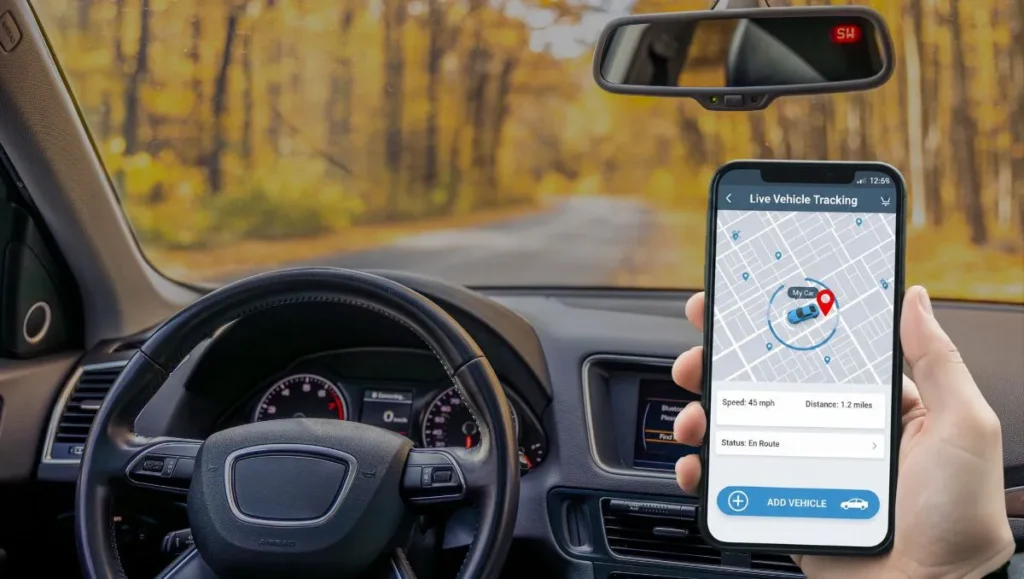
What is a Mobile App & Web Dashboard?
The software platforms are the mobile app and web dashboard, which show all the tracking data in real time. The GPS device provides data that, including location, speed, fuel level, alerts, and reports, is processed and displayed in a clear and clear format. To put it plainly: it will be your vehicle monitoring centre.
Key Features of a User-Friendly Mobile App
1. Real-Time Live Tracking View
- See live vehicle location on the map
- View speed, direction, and movement status
- Supports zoom-in map navigation
Benefit:
Instant visibility and peace of mind.
2. Instant Alerts & Push Notifications
- Overspeed alerts
- Ignition ON/OFF alerts
- Geo-fence entry/exit alerts
- Fuel theft alerts
- Power cut and tamper alerts
Why it matters:
Immediate awareness enables quick action.
3. Easy Multi-Vehicle Management
- View multiple vehicles on a single screen
- Filter vehicles by group, status, or location
Ideal for:
Fleet owners and logistics managers.
4. Trip History & Playback
- Review previous trips
- Replay routes with time stamps
- Determine shortages and delays.
Use case:
Performance review and dispute resolution.
5. Driver & Vehicle Status Overview
- Running / idle / stopped status
- Ignition state
- Network connectivity status
Benefit:
Quick decision-making without digging into reports.
6. Simple & Intuitive Interface
- Clean layout
- Easy navigation
- Minimal training required
Result:
Even non-technical users can operate confidently.
Key Features of the Web Dashboard
1. Advanced Map View
- Live tracking with detailed route visualization
- Cluster view for large fleets
- Satellite and street map options
2. Comprehensive Reports & Analytics
- Trip reports
- Fuel reports
- Driver behaviour reports
- Idle & stoppage reports
- Speed analysis reports
Advantage:
Data-driven decisions and performance optimization
3. Geo-Fence & Alert Configuration
- Create, edit, and manage geo-fences
- Set custom speed limits
- Configure alert thresholds
Benefit:
Full control tailored to business needs.
4. Downloadable & Shareable Reports
- Export reports in Excel/PDF format
- Share with management or clients
5. Role-Based Access Control
- Admin and user-level access
- Restricted permissions for drivers or staff
Why it matters:
Ensures data security and accountability.
Accessibility & Compatibility
- Android & iOS mobile apps
- Web access from any browser
- Works on desktops, tablets, and smartphones
Security of Data
- Encrypted data transmission
- Secure login credentials
- Regular backups
Benefit:
Protects sensitive vehicle and business data.
Benefits for Different Users
For Individual Vehicle Owners
- Easy monitoring
- Theft alerts
- Travel history
For Fleet Managers
- Full fleet visibility
- Performance reports
- Cost control
Industry-Wise Solutions Provided by ANS IT India
Operational conditions, safety standards, and compliance requirements of each industry are different. A universal tracking system does not necessarily work. ANS IT India is aware of this and offers industry-specific solutions tailored to vehicle tracking systems, with the aim of developing real-world solutions that increase efficiency, ensure safety, and address real-life issues.
1. Logistics & Transport Fleet Solutions
Logistics firms are run on strict time and fuel expenses.
ANS IT India provides:
- Real-time vehicle tracking
- Route deviation alerts
- Fuel monitoring and theft detection.
- Driver behaviour analysis
- Trip and delivery reports
Benefits:
- On-time deliveries
- Reduced fuel expenses
- Improved fleet utilization
- Lower operational costs
2. Truck & Heavy Commercial Vehicle Tracking
Trucks are used over long distances, and they are prone to theft and abuse.
Key features:
- 24/7 live tracking
- Fuel sensor integration
- Engine immobilizer
- Idle time monitoring
- Long-route performance reports
Advantages:
- Better control over long-haul operations
- Reduced theft and fuel loss
- Increased vehicle life
3. School Bus Tracking & Student Safety Solutions
The safety of children is the top priority for schools and parents.
ANS school solutions include:
- Live bus tracking for the parents.
- Geo-fencing of school routes.
- Overspeed alerts
- Driver behaviour monitoring
- Panic/SOS button
Outcome:
- Increased student safety
- Parent peace of mind
- Open school transport operations.
4. Corporate Staff Transportation Solutions
Daily office drop and pick-ups.
Features provided:
- Live location tracking
- Route compliance surveillance.
- Trip start/end alerts
- Driving disciplinary observation.
- Attendance & trip reports
Benefits:
- Safe employee transport
- On-time arrivals
- Fewer complaints and conflicts.
5. Oil, Gas & Fuel Tanker Tracking
Transportation of fuels needs tight security and surveillance.
Specialized features:
- High-accuracy fuel sensors
- Unauthorized stoppage notifications.
- Route deviation alerts
- Depots and terminals geo-fenced.
- Tamper alerts
Advantages:
- Prevents fuel theft
- Provides regulation compliance.
- Enhances cargo security
6. Construction & Mining Vehicle Tracking Systems
Heavy machineries operate in harsh and isolated conditions.
ANS solutions include:
- Equipment tracking
- Engine hours monitoring
- Fuel usage reports
- Idle time analysis
- Theft prevention
Benefits:
- Greater efficiency in the use of equipment.
- Lower fuel wastage
- Reduced downtime
7. Car Rental & Taxi Fleet Solutions
The businesses that deal with renting cars need total control of the use of the vehicle.
Key features:
- Live tracking
- Speed and usage monitoring
- Geo-fencing for city limits
- Trip history & misuse alerts
- Lockout device for illegitimate use.
Result:
- Reduced misuse
- Improved accountability by customers.
- Lower maintenance costs
8. Ambulance & Emergency Vehicle Tracking
Time is critical in emergency services.
ANS provides:
- Live tracking of ambulances.
- Proximate vehicle recognition.
- Fast route monitoring
- Driver behaviour analysis
Impact:
- Faster response times
- better emergency response.
- Saved lives
9. Public Transport & Bus Fleet Solutions
Applied in state transport and in the buses of the private operator.
Features include:
- Live bus tracking
- Schedule adherence
- Safety of passengers monitoring.
- Fuel and maintenance reports
Benefits:
- Better service reliability
- Reduced operational losses
- Higher satisfaction with commuters.
10. Agriculture & Farm Equipment Tracking
Used for tractors, harvesters, and farm vehicles.
ANS tracking helps:
- Monitor equipment usage
- Prevent misuse
- Track fuel consumption
- Improve asset utilization
11. Government & Municipal Fleet Solutions
There must be accountability and transparency in government fleets.
ANS solutions offer:
- Real-time monitoring
- Audit-ready reports
- Compliance tracking
- Centralized dashboard
Outcome:
- Improved governance
- Less wastage of state resources.
12. Custom & Enterprise-Specific Solutions
ANS IT India is also the developer of custom solutions to unique needs.
Customization options:
- API integrations
- Custom reports
- White-label dashboards
- Industry-specific alerts
Benefits of Using PROTECTed Vehicle Tracking Systems
A PROTECTed vehicle tracking systems supersedes the simple GPS tracking. It is a full-scale safety, security, and fleet optimization tool, which is meant to safeguard automobiles, operators, customers, cargo, and the business enterprise. Using a mixture of real-time tracking, intelligent alerts, analytics, and durable hardware, a PROTECTed Vehicle Tracking Systems can produce tangible results in terms of safety, efficiency, and cost control.
1. Complete Vehicle Safety & Theft Protection
Among the greatest advantages is improved security of the vehicles.
How it protects:
- 24/7 live location tracking
- Unauthorized mobility messages.
- Ignition ON/OFF alerts
- Tamper and power-cut alerts
- Remote engine immobilization
Result:
Higher vehicle recovery chances and peace of mind.
2. Improved Driver & Passenger Safety
A PROTECTed Vehicle Tracking Systems will actively enhance safer driving.
Safety features include:
- Overspeed alerts
- Driver behaviour monitoring
- Rough braking and driving detection.
- SOS / panic alerts
Impact:
Reduced accidents, safer journeys, and improved passenger confidence.
3. Reduced Fuel & Operational Costs
Fuel is a major expense, and a PROTECTed Vehicle Tracking Systems helps control it.
Cost-saving mechanisms:
- Fuel monitoring and theft detection.
- Idling time reduction
- Route optimization
- Strict control over drivers.
Outcome:
Save up to 30% in fuel and operational costs.
4. Higher Fleet Productivity & Efficiency
Operations are made smoother and quicker with complete visibility.
Benefits include:
- Optimized routes
- Reduced downtime
- Faster trip completion
- Better vehicle utilization
Result:
More work is done with the same fleet size.
5. Real-Time Visibility & Control
Managers and owners are always up to date.
Provides:
- Live vehicle status
- Real-time alerts
- Instant decision-making capability
Advantage:
No dependency on phone calls or manual updates.
6. Accurate Reports & Data-Driven Decisions
The activity of all the vehicles is monitored and analyzed.
Reports help with:
- Performance evaluation
- Cost analysis
- Driver assessment
- Maintenance planning
Result:
Smarter decisions and continuous improvement.
7. Better Customer Service & Transparency
The PROTECTed Vehicle Tracking Systems enhances the reliability of services.
Customer benefits:
- Accurate delivery timelines
- Live ETA updates
- Fewer delays and disputes
Outcome:
Higher customer trust and satisfaction.
8. Compliance & Policy Enforcement
Maintains the company’s rules and regulations for vehicles.
Supports:
- Route compliance
- Speed compliance
- Driving hour regulations
- Audit-ready reporting
Benefit:
Reduced legal and operational risks.
9. Extended Vehicle Life & Lower Maintenance Cost
Cars are safe when they are well driven and used.
System helps by:
- Reducing engine stress
- Minimizing brake and tyre wear
- Identifying maintenance needs early
Result:
Lower repair costs and longer vehicle life.
10. Scalability for Growing Businesses
A PROTECTed Vehicle Tracking Systems grows with your business.
Supports:
- Single vehicles
- Small fleets
- Large enterprise fleets
Benefit:
No need to change systems as operations expand.
11. Peace of Mind for Owners & Management
Knowing that Vehicle Tracking Systems are protected 24/7 brings confidence.
For owners:
- No constant follow-ups
- No uncertainty
For management:
- Full operational control
- Clear visibility
12. Strong Return on Investment (ROI)
A PROTECTed Vehicle Tracking Systems quickly pays for itself.
Why ROI is strong:
- Reduced fuel theft
- Lower accidents
- Optimized operations
- Less downtime
Many businesses recover their investment within 1–2 months.