

Introduction: How Does GPS Tracking Work Without Internet?
In a world where everything seems connected to WiFi or mobile data, many people assume GPS tracking cannot function without the internet. It’s a common misconception. The truth is, gps tracking work without internet in ways that might surprise you.
Whether you are a vehicle owner, a fleet manager, or someone using a personal tracking device, understanding how GPS really works can give you more confidence in the technology you rely on every day. From highways with weak signal coverage to remote villages and mountainous terrains, GPS devices continue to determine accurate locations — even when there’s no internet connection available.
So how is that possible?
The answer lies in the difference between GPS and the internet. GPS (Global Positioning System) is a satellite-based navigation technology developed by the United States Department of Defense. It operates through a network of satellites orbiting the Earth. These satellites constantly send signals to GPS receivers installed in vehicles, smartphones, and tracking devices. The receiver calculates its exact position by analyzing signals from multiple satellites — and this entire process does not require WiFi, mobile data, or any internet connection.
The internet only comes into play when you want to view that location on a mobile app, web dashboard, or cloud-based platform. In other words, GPS determines the location independently, while the internet helps share or display that information in real time.
Understanding how gps tracking work without internet is especially important for businesses managing fleets, logistics operations, or long-distance transportation. Even if a vehicle travels through areas with poor network coverage, the GPS device continues to record location data. Once connectivity is restored, the stored information can be transmitted to the server without losing valuable tracking history.
In this article, we’ll break down the technology behind offline GPS tracking in simple, easy-to-understand terms — so you can clearly see how powerful and reliable this system truly is, even without an internet connection.
Understanding the Basics of GPS Technology
To truly understand how gps tracking work without internet, we need to go deeper into how GPS technology functions at its core. Many people assume GPS relies on mobile data or WiFi, but that’s not the case. GPS is a satellite-based system that works independently of the internet.
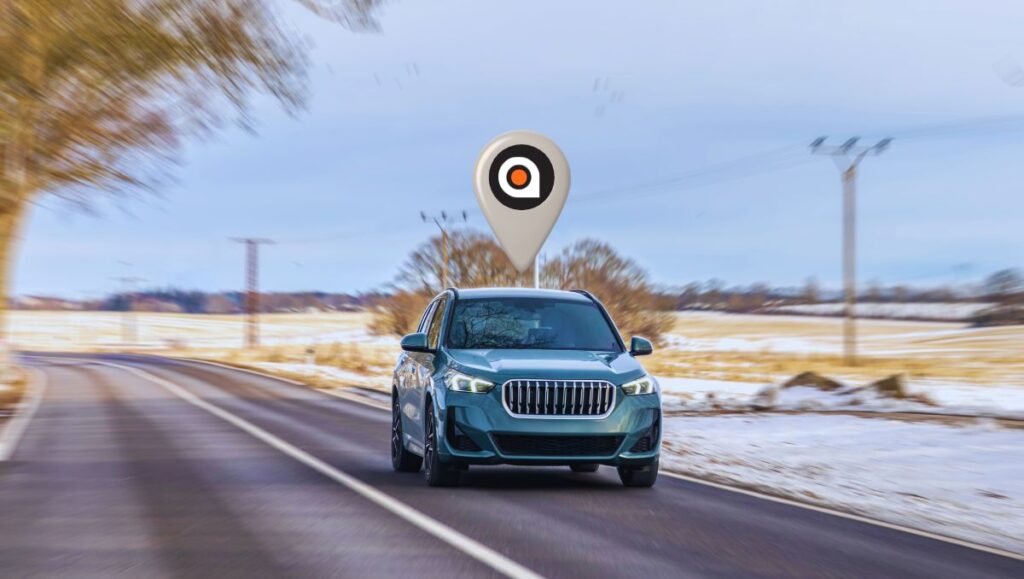
Let’s explore the technology step by step in a simple yet detailed way.
What Exactly is GPS?
GPS stands for Global Positioning System — a space-based navigation system developed and maintained by the United States Department of Defense. Although it was initially designed for military navigation, it is now freely accessible for civilian use worldwide.
Today, GPS is used in:
- Vehicle tracking systems
- Fleet management solutions
- Smartphones
- Aviation and marine navigation
- Agriculture and construction equipment
- Emergency response systems
The system operates 24/7, in all weather conditions, anywhere on Earth.
The Three Main Segments of GPS
To understand how gps tracking work without internet, you must first know the three segments that make up the GPS system:
1. Space Segment (Satellites)
The GPS network consists of around 30+ satellites orbiting approximately 20,200 kilometers above Earth. These satellites continuously transmit radio signals containing:
- Their exact orbital position
- The precise time the signal was sent
- Health and system status data
Each satellite has an atomic clock for extremely accurate timing, which is critical for location calculation.
These signals travel at the speed of light and reach GPS receivers on the ground.
2. Control Segment (Ground Stations)
Ground control stations are located around the world. Their job is to:
- Monitor satellite performance
- Correct orbital errors
- Update satellite positions
- Maintain system accuracy
These stations ensure that the satellites transmit accurate timing and positioning data.
3. User Segment (GPS Receivers)
This is the part you interact with — the GPS device inside:
- A car tracking system
- A mobile phone
- A smartwatch
- A fleet management tracker
The GPS receiver captures signals from multiple satellites and calculates its location.
And here’s the key point:
The receiver does not need internet to receive these satellite signals.
How GPS Calculates Position (The Science Behind It)
The reason gps tracking work without internet is because location calculation happens directly inside the GPS receiver.
Here’s how it works:
Step 1: Signal Transmission
Each satellite sends out a timestamped signal.
Step 2: Signal Reception
The GPS receiver detects signals from at least four satellites.
Step 3: Time Difference Calculation
The device measures how long each signal took to arrive.
Step 4: Trilateration
Using the time differences and satellite positions, the device calculates distance from each satellite.
By combining distances from multiple satellites, the receiver pinpoints:
- Latitude
- Longitude
- Altitude
- Speed
- Direction
This mathematical process is called trilateration, and it happens instantly within the device.
No internet.
No WiFi.
No mobile data.
Why People Confuse GPS With Internet
The confusion usually comes from how we view GPS data.
For example:
- When you open Google Maps, you need internet to load map images.
- When fleet managers track vehicles on dashboards, they need internet to receive live updates.
But in both cases, the GPS device already knows the location. The internet is only used to:
- Transmit data to cloud servers
- Display maps and visuals
- Send alerts or notifications
So while internet enhances tracking features, it is not required for basic positioning.
What Happens in No-Network Areas?
This is where understanding how gps tracking work without internet becomes very important — especially for vehicle owners and logistics companies.
When a tracking device enters an area with no GSM or data network:
- It continues receiving satellite signals.
- It keeps calculating location accurately.
- It stores location data in internal memory.
Once the network is restored:
- All stored trip data is uploaded automatically.
This ensures zero data loss.
Factors That Affect GPS Accuracy (Not Internet)
Even though GPS doesn’t require internet, certain factors can impact signal quality:
- Tall buildings (urban canyons)
- Dense forests
- Tunnels
- Heavy atmospheric conditions
- Poor antenna placement
However, these are signal-blocking issues — not internet-related problems.
Real-World Example: Vehicle Tracking Systems
In vehicle tracking devices used by logistics companies, the GPS module and GSM module are separate components:
- The GPS module calculates location using satellites.
- The GSM module sends that location to servers using mobile networks.
If GSM fails, GPS still works.
This separation is the reason gps tracking work without internet effectively in remote highways, mining areas, and rural routes.
Why This Matters for Businesses and Individuals
Understanding GPS basics helps you:
- Trust your tracking system
- Avoid confusion about network dependency
- Make informed purchasing decisions
- Ensure uninterrupted trip history
For fleet operators, this means improved reliability and accurate trip reports — even when vehicles pass through low-signal zones.
When is Internet Actually Needed in GPS Tracking?
By now, it’s clear that gps tracking work without internet when it comes to calculating location. GPS devices receive signals directly from satellites and determine their position independently. However, while the core tracking function does not require internet access, there are specific situations where connectivity becomes essential.
Let’s explore when and why the internet is actually needed in a GPS tracking system.
GPS vs Internet: Understanding the Real Difference
First, it’s important to separate two things:
- GPS → Finds and calculates the location using satellites.
- Internet (or mobile network) → Transmits and displays that location data.
GPS technology was originally developed and maintained by the United States Department of Defense and is entirely satellite-based. This means your device can still determine its exact position even in areas with no mobile signal.
However, if you want to see that location on a live dashboard or app, that’s where the internet comes into play.
Situations Where Internet Is Required
Although gps tracking work without internet, connectivity becomes necessary in the following scenarios:
1. Real-Time Live Tracking
If you are:
- Monitoring vehicles from a fleet dashboard
- Tracking a delivery vehicle from your office
- Watching a vehicle’s movement on a mobile app
Then the GPS device needs mobile data (GSM/4G/5G) to send location updates to a cloud server.
Without internet:
- The device still records the location.
- But you cannot view it live.
2. Cloud-Based Monitoring Platforms
Modern GPS tracking systems use cloud servers to store:
- Trip history
- Route reports
- Speed logs
- Geofence records
The internet is required to:
- Upload tracking data
- Access reports remotely
- Sync historical trip information
Without connectivity, the device stores data internally and uploads it later when the network returns.
3. Instant Alerts and Notifications
Features like:
- Over-speed alerts
- Engine on/off notifications
- Geofence entry/exit alerts
- Panic button signals
All depend on internet connectivity to deliver real-time notifications to your phone or dashboard.
If there’s no network, the event is recorded — but the alert may be delayed until reconnection.
4. Map Loading and Navigation Apps
When using navigation apps, the internet is required to:
- Load online maps
- Update traffic conditions
- Show satellite imagery
- Provide live route suggestions
However, basic GPS positioning still works without the internet. You just won’t get live map updates or traffic data unless you’re connected.
5. Remote Device Management
Fleet managers sometimes:
- Change tracking settings
- Activate or deactivate features
- Update firmware
- Access diagnostic reports
These remote actions require an internet connection between the device and the server.
What Happens When Internet Is Lost?
One of the most reassuring facts is that gps tracking work without internet even during network interruptions.
In offline mode:
- The GPS module continues receiving satellite signals.
- Location is calculated normally.
- Trip data is stored in device memory.
When connectivity is restored:
- All stored data syncs automatically.
- Reports are updated in the dashboard.
This ensures no tracking history is permanently lost.
Why This Matters for Vehicle Owners and Businesses
Understanding when internet is required helps you:
- Set realistic expectations
- Avoid panic during signal loss
- Choose the right tracking system
- Ensure operational continuity
For logistics companies and fleet operators, this distinction is critical. Vehicles traveling through rural highways, tunnels, or low-network areas will still be tracked — even if live monitoring temporarily pauses.
GPS vs Internet: Understanding the Difference
Many people assume GPS and the internet are the same thing. When live tracking stops due to weak mobile data, they often think GPS has failed. In reality, GPS and the internet serve two completely different purposes. Understanding this difference makes it easier to see how gps tracking work without internet and why tracking systems remain reliable even in low-network areas.

Let’s break it down in simple, practical terms.
What is GPS?
GPS stands for Global Positioning System — a satellite-based navigation technology developed and maintained by the United States Department of Defense.
GPS works through a network of satellites orbiting the Earth. These satellites continuously send signals to GPS receivers installed in:
- Vehicles
- Smartphones
- Fleet tracking devices
- Smartwatches
- Marine and aviation systems
The GPS receiver calculates its position using satellite signals. This process does not require WiFi, mobile data, or internet access.
That’s why gps tracking work without internet when it comes to determining location.
What is the Internet in GPS Tracking?
The internet is a communication network that allows devices to send and receive data.
In GPS tracking systems, the internet (usually via mobile networks like 4G or 5G) is used to:
- Transmit location data to cloud servers
- Display live tracking on apps and dashboards
- Send alerts and notifications
- Generate reports and analytics
The internet does not calculate your location. It simply helps share that information.
Core Difference Between GPS and Internet
Here’s a clear comparison to help you understand:
| Feature | GPS | Internet |
|---|---|---|
| Finds location | ✅ Yes | ❌ No |
| Uses satellites | ✅ Yes | ❌ No |
| Required for live tracking apps | ❌ No | ✅ Yes |
| Needed for real-time alerts | ❌ No | ✅ Yes |
| Works in remote areas | ✅ Yes | ❌ Not always |
This comparison clearly shows how gps tracking work without internet for positioning, while internet connectivity is needed for real-time monitoring and data sharing.
Why Do People Confuse GPS With Internet?
The confusion happens because we usually interact with GPS through apps.
For example:
- You open a tracking app and see a vehicle moving live.
- You use navigation apps that show traffic updates.
- You receive instant alerts about vehicle activity.
Since all these features require internet, people assume GPS depends on it. But in reality:
- GPS determines the location.
- Internet sends that location to your screen.
If the internet stops, the GPS device still knows where it is — you just can’t view it live.
What Happens When Internet Connection Is Lost?
This is where understanding the difference becomes important.
When a vehicle enters a no-network zone:
- The GPS receiver continues receiving satellite signals.
- It keeps calculating location accurately.
- The device stores trip data internally.
Once connectivity returns:
- The stored data is uploaded automatically.
- The full trip history becomes visible.
This proves once again that gps tracking work without internet, though live display may pause temporarily.
Real-World Example: Vehicle Tracking Systems
Modern vehicle tracking devices contain two separate modules:
- GPS Module – Calculates position using satellites.
- GSM Module – Sends that position to a server using mobile data.
If the GSM network fails, only the data transmission stops — not the tracking itself.
This separation ensures reliable tracking performance for logistics companies, fleet operators, and personal vehicle owners.
Why Understanding This Difference Matters
Knowing the difference between GPS and the internet helps you:
- Avoid unnecessary panic during network drops
- Choose the right tracking solution
- Understand system limitations
- Trust your tracking data
For businesses managing fleets across rural highways, mining sites, or remote regions, this knowledge provides confidence that vehicles are still being tracked even without real-time visibility.
Real-Life Examples of GPS Tracking Without Internet
Many people still wonder whether tracking systems stop working when mobile data disappears. The simple answer is no. In fact, gps tracking work without internet in many real-world situations. While live monitoring may pause, the GPS device continues calculating and recording location using satellite signals.

Let’s explore practical, everyday examples where GPS tracking functions perfectly — even without internet connectivity.
1. Long-Distance Trucking on Remote Highways
Imagine a transport truck traveling through rural highways where mobile network coverage is weak or unavailable.
Even in these areas:
- The GPS device continues receiving satellite signals.
- It calculates real-time location accurately.
- Trip details such as speed, distance, and route are stored internally.
Once the truck re-enters a network zone, all stored data is uploaded to the server automatically.
This is one of the most common examples proving how gps tracking work without internet in logistics and fleet operations.
2. Mining, Construction, and Industrial Sites
Mining zones and large construction projects are often located in remote regions with poor internet infrastructure.
In these environments:
- Heavy machinery equipped with GPS trackers continues logging movement.
- Supervisors can later access detailed trip reports.
- Operational efficiency remains unaffected by network interruptions.
Since GPS relies on satellites — originally developed and maintained by the United States Department of Defense — location tracking remains stable regardless of local internet availability.
3. Trekking and Outdoor Adventures
Outdoor enthusiasts often carry handheld GPS devices while trekking in forests, mountains, or deserts — places where mobile signals are usually unavailable.
Despite no internet:
- The GPS device shows precise coordinates.
- It tracks hiking routes.
- It measures speed, elevation, and distance traveled.
Adventure sports, mountaineering, and wilderness exploration heavily rely on this offline capability. This clearly demonstrates how gps tracking work without internet in extreme environments.
4. Maritime and Aviation Navigation
Ships traveling across oceans and aircraft flying at high altitudes cannot depend on regular mobile networks.
Instead:
- Navigation systems rely directly on satellite-based GPS signals.
- Routes are calculated independently.
- Position updates remain accurate worldwide.
These industries depend on GPS accuracy for safety and operational control — without relying on traditional internet connectivity.
5. School Bus and Fleet Vehicles in Low-Signal Zones
School buses and fleet vehicles often pass through areas with temporary signal loss, such as:
- Tunnels
- Rural roads
- Basement parking areas
During these moments:
- The GPS device continues recording the vehicle route.
- The data is stored in internal memory.
- Once connectivity resumes, the full trip history appears on the tracking dashboard.
This ensures no tracking data is permanently lost.
6. Asset Tracking Inside Warehouses
Large warehouses or industrial facilities may have weak cellular coverage inside metal structures.
Even without internet:
- GPS-enabled devices log entry and exit points.
- Movement patterns are recorded.
- Historical data is preserved for reporting purposes.
When connectivity is restored, synchronization happens automatically.
7. Personal Vehicle Anti-Theft Tracking
If a stolen vehicle enters a no-network area, the GPS tracker still:
- Calculates its position.
- Records movement path.
- Stores time-stamped data.
Once the signal becomes available, authorities can access the entire movement history — making recovery easier.
This reliability is another reason why gps tracking work without internet is a critical feature in security solutions.
Why These Examples Matter
Understanding these real-life situations helps eliminate confusion about GPS technology. The key difference is:
- GPS determines location using satellites.
- Internet only helps transmit and display that location.
Even if live tracking temporarily pauses, the core tracking process continues uninterrupted.
For businesses, fleet managers, and individual vehicle owners, this means:
- Greater reliability
- No permanent data loss
- Continuous route recording
- Increased operational confidence
Limitations of GPS Without Internet
It’s absolutely true that gps tracking work without internet when it comes to calculating a device’s location. GPS receivers communicate directly with satellites orbiting the Earth and determine precise coordinates independently. However, while offline GPS tracking is powerful and reliable, it does come with certain practical limitations — especially in modern tracking systems that rely on cloud-based platforms.
To fully understand the strengths and weaknesses of offline tracking, let’s explore these limitations in greater detail.
1. No Real-Time Data Transmission
One of the most noticeable limitations is the absence of real-time monitoring.
Here’s what happens technically:
- The GPS module continues receiving signals from satellites.
- It calculates latitude, longitude, speed, and direction.
- The data is recorded internally in the device’s memory.
However, without internet (usually via GSM/4G/5G), the device cannot transmit this data to:
- A mobile tracking app
- A fleet management dashboard
- A cloud server
So while gps tracking work without internet, you cannot see the vehicle’s movement live. Monitoring becomes available only after connectivity is restored and the stored data is uploaded.
For businesses that rely heavily on live supervision, this can temporarily reduce operational visibility.
2. Delayed Emergency Alerts
Modern GPS tracking systems are not just about location — they are also about safety and control. Many devices provide instant alerts for:
- Over-speed violations
- Harsh braking
- Geofence entry or exit
- Ignition on/off
- SOS or panic button activation
Without internet connectivity:
- These events are still detected and recorded.
- But alerts cannot be delivered immediately.
For example, if a vehicle exits a designated geofence in a no-network area, the system logs the event but sends the notification only after the device reconnects.
This delay may impact time-sensitive decision-making in certain scenarios.
3. No Immediate Cloud Backup
Most modern tracking solutions use cloud infrastructure to:
- Store trip history
- Generate reports
- Analyze driver behavior
- Maintain compliance records
When internet access is unavailable:
- Data remains stored locally on the device.
- It is not backed up to the cloud instantly.
- Managers cannot access the latest trip details remotely.
Although most devices automatically sync data once reconnected, extended offline periods can create temporary data visibility gaps.
4. Limited Map and Navigation Enhancements
GPS positioning itself does not require internet. However, advanced navigation features do.
Without internet, you may lose access to:
- Real-time traffic updates
- Roadblock alerts
- Dynamic rerouting
- Satellite imagery updates
- Weather overlays
The GPS receiver still knows your exact location, but map-based enhancements depend on online services.
This distinction clearly shows that while gps tracking work without internet, the user experience may feel limited without connectivity.
5. Restricted Remote Commands and Control
Many advanced vehicle tracking systems offer remote control features, such as:
- Engine immobilization
- Fuel monitoring updates
- Firmware upgrades
- System configuration changes
These features require two-way communication between the device and a central server.
Without internet:
- Commands cannot be sent to the device.
- Remote immobilization or configuration must wait until reconnection.
- Firmware updates cannot be performed.
For fleet operators managing vehicles across regions, this can delay immediate interventions.
6. Storage Capacity Constraints
Offline tracking depends heavily on internal memory storage.
Although modern GPS devices are designed to store days or even weeks of trip data, storage is not unlimited. If a device remains offline for an extended period:
- It continues recording trip information.
- Eventually, memory capacity may be reached.
- Older data could be overwritten (depending on device design).
Therefore, prolonged lack of connectivity may affect historical data retention.
7. GPS Signal Limitations (Separate from Internet)
It’s important to clarify that some limitations are not internet-related but signal-related.
GPS satellites — originally developed and maintained by the United States Department of Defense — require a relatively clear line of sight to function optimally.
Signal accuracy may be reduced in:
- Underground parking areas
- Tunnels
- Dense forests
- Urban areas with tall buildings
- Heavy metal structures
In these cases, GPS signal strength may weaken temporarily — even though internet availability is irrelevant.
8. No Instant Analytical Reporting
Advanced fleet systems generate automatic insights such as:
- Driver performance scores
- Fuel efficiency analysis
- Route optimization suggestions
- Productivity dashboards
Without internet connectivity:
- Data analysis cannot update in real time.
- Managers cannot access the latest performance metrics.
- Decision-making may be delayed.
Although the raw data is still being recorded, the analytical layer requires cloud processing.
Why Understanding These Limitations Is Important
Knowing the limitations of offline GPS tracking helps you:
- Set proper expectations
- Avoid confusion during signal loss
- Choose devices with adequate storage
- Plan operations in low-network areas
It also reinforces an important truth:
gps tracking work without internet for location calculation, but enhanced visibility and control depend on connectivity.
Why This Matters for Vehicle Owners and Fleet Managers
Understanding how gps tracking work without internet is not just technical knowledge — it directly affects security, operational efficiency, cost control, and decision-making. For vehicle owners and fleet managers, this distinction between GPS and internet connectivity can prevent confusion, reduce risk, and improve overall business performance.

Let’s explore in detail why this matters in real-world scenarios.
1. Business Continuity in Low-Network Areas
Fleet vehicles often operate in:
- Rural highways
- Remote industrial zones
- Mining areas
- Intercity transport routes
- Cross-border corridors
Mobile network coverage is not always stable in these locations. Without proper understanding, managers may panic when live tracking temporarily stops updating.
However, when you know that gps tracking work without internet, you understand that:
- The GPS device continues receiving satellite signals.
- Location data is still being calculated accurately.
- Trip history is recorded in internal memory.
Once the network returns, the data syncs automatically. This ensures operational continuity even during temporary connectivity interruptions.
2. Accurate Historical Reporting and Compliance
Fleet operations often require detailed reports for:
- Government compliance
- Client billing
- Delivery verification
- Driver performance monitoring
- Route optimization analysis
Since GPS tracking devices store trip data internally during offline periods, businesses do not lose valuable historical records.
GPS technology — originally developed and maintained by the United States Department of Defense — is designed for reliability and global availability. This satellite-based infrastructure ensures positioning continues regardless of local internet conditions.
For fleet managers, this means:
- No missing trip logs
- Accurate mileage records
- Reliable time stamps
- Strong audit trails
Even without real-time visibility, data integrity remains intact.
3. Enhanced Security and Theft Recovery
Vehicle security is a top concern for both individual owners and fleet operators. If a vehicle is stolen and driven into a low-signal zone, live tracking may temporarily disappear.
Without understanding how GPS works, this can create panic.
However, since gps tracking work without internet, the device continues to:
- Calculate precise location
- Record movement path
- Store time-stamped travel data
Once connectivity resumes, the full route history becomes accessible. This stored data can assist law enforcement and increase the chances of recovery.
For business fleets transporting high-value goods, this reliability is critical.
4. Smarter Risk Management
For fleet managers responsible for dozens or hundreds of vehicles, risk management is a daily task. Temporary signal loss does not necessarily mean loss of control.
Understanding offline GPS capability helps in:
- Avoiding false emergency escalations
- Reducing unnecessary technical service calls
- Preventing miscommunication between drivers and managers
- Maintaining operational confidence
Instead of reacting emotionally to a dashboard freeze, managers can evaluate whether it’s simply a network outage.
5. Improved Planning for Remote Operations
Businesses expanding into rural or remote areas must evaluate infrastructure limitations.
Knowing that gps tracking work without internet allows companies to:
- Operate confidently in low-network regions
- Deploy vehicles to remote construction or mining sites
- Expand logistics services beyond urban coverage zones
- Ensure continuous trip recording in difficult terrains
This expands operational possibilities without sacrificing tracking reliability.
6. Better Investment Decisions in Tracking Systems
When purchasing GPS tracking systems, many businesses focus only on live tracking features.
However, understanding offline capabilities encourages smarter evaluation of:
- Internal storage capacity
- Automatic data synchronization features
- Signal strength performance
- Device durability in remote conditions
Fleet managers can choose systems that balance satellite tracking reliability with strong data transmission performance.
This leads to more informed and cost-effective investments.
7. Driver Accountability and Performance Monitoring
Driver behavior monitoring is a key function of fleet tracking systems.
Even without internet connectivity:
- Speed data is recorded
- Route deviations are logged
- Engine activity is tracked
- Idle time is measured
Although real-time alerts may be delayed, the full activity record remains available once synchronization occurs.
This ensures consistent driver accountability — even during offline travel.
8. Reduced Operational Stress
A lack of understanding often leads to unnecessary stress. When managers see “device offline” on a dashboard, it may create immediate concern.
But understanding that:
- GPS calculates location via satellites.
- Internet only transmits the data.
Helps reduce panic and maintain calm decision-making.
Confidence in the system improves operational stability and team communication.
9. Strengthened Trust in Technology
Technology is most effective when users understand how it works.
When vehicle owners and fleet managers clearly understand that gps tracking work without internet for location calculation, they develop stronger trust in the system’s reliability.
This trust encourages:
- Wider adoption of tracking technology
- Long-term usage
- Better integration into operational workflows
Conclusion: How Does GPS Tracking Work Without Internet?
By now, it’s clear that the idea that GPS needs internet to function is simply a myth. The truth is, gps tracking work without internet because it relies on satellites — not WiFi or mobile data — to determine location.
At its core, GPS technology communicates directly with satellites orbiting the Earth. These satellites, originally developed and maintained by the United States Department of Defense, continuously transmit signals containing timing and positioning data. A GPS receiver inside a vehicle tracker, smartphone, or navigation system captures those signals and calculates its exact location using a mathematical method called trilateration.
This entire process happens independently of the internet.
The internet only becomes necessary when you want to:
- View the location in real time on a mobile app
- Receive instant alerts and notifications
- Access cloud-based reports and analytics
- Manage devices remotely
Even if the internet connection is lost, the GPS device continues to calculate and record location data. Most modern tracking systems store trip information internally and automatically sync it once connectivity is restored. This ensures that no critical travel history is permanently lost.
For vehicle owners, this means peace of mind knowing their car’s movement is still being recorded in low-network areas. For fleet managers, it ensures operational continuity, accurate reporting, and reliable tracking — even on remote highways or rural routes.
Understanding how gps tracking work without internet helps eliminate confusion, reduce unnecessary panic during signal drops, and build trust in tracking technology. GPS handles positioning through satellites, while the internet enhances visibility and communication.
In simple terms:
- GPS finds the location.
- The internet shares the location.
And even without connectivity, GPS continues doing what it was designed to do — delivering accurate, dependable positioning anywhere under the open sky.